Cooking On The Ranch

  • Home
  • About
  • Recipe Roundup
  • Contact Me
  • Join Community
menu icon
go to homepage
  • Home
  • Soups, Stews, & Chilis
  • About
  • Recipe Roundup
  • Contact Me
    • Facebook
    • Instagram
    • Pinterest
  • search icon
    Homepage link
    • Home
    • Soups, Stews, & Chilis
    • About
    • Recipe Roundup
    • Contact Me
    • Facebook
    • Instagram
    • Pinterest
  • ×
    Home

    Cast Iron Flank Steak, Perfectly Seared

    April 17, 2026 By Lea Ann Brown 3 Comments

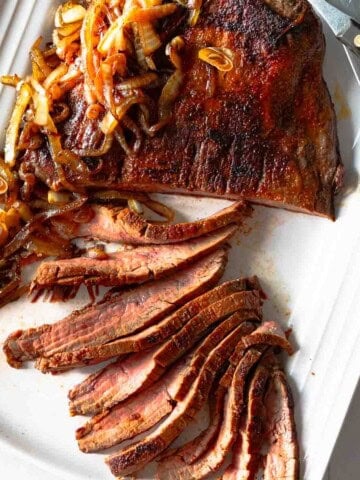
    Sliced cast iron flank steak served on a white platter with charred onions.

    If flank steak has ever turned out tough or uneven, it usually comes down to one thing. Heat. Learn how to cook a stove-top flank steak with a deep, golden crust in minutes. And with a juicy center that actually stays tender. Cast iron flank steak, simple steps, and no guesswork.

    Cast Iron Flank Steak served on a white platter with charred onions.

    Back in culinary school, outdoor grills were not part of our routine. Steak after steak went into a hot pan, seared stovetop, until we got it just right. Over time, that method became second nature to me. And years later, I still lean toward the reliable stovetop method when I want a steak done just right.

    How To Cook Flank Steak In A Cast Iron Skillet

    In my books, a flank steak is one of the easiest cuts of steak to cook. And cooking a flank steak on the stove required only a few simple rules:

    • Pat Dry: Use a paper towel to pat the flank steak dry. Very dry. Any moisture left on the surface will compromise that golden sear (Maillard reaction) that elevates any steak to greatness.
    • Season: Seasoning for a cast iron flank steak can be as simple as salt, pepper and garlic powder, or something regional. I focus on Southwestern recipes, so you’ll find a blend of Southwestern spices in this recipe.
    • Heat: Don’t be afraid of heat. Heat your cast iron skillet over medium high heat until you can almost feel it starting to smoke. I like to hold a fist just above the skillet surface to gauge the heat level.
    • Oil: Add a high smoke point neutral oil. Canola oil works well here. Olive oil is not a good choice. It’s unrefined and contains compounds that smoke at a lower temperature.
    • Timing: Depending on the thickness of your flank steak, sear for only 3 – 6 minutes per side. And don’t mess with it. Turn it once.
    • Internal Temperature: Use a good quality digital meat thermometer. Pull the steak from the pan when internal temperature reaches 125 degrees for medium rare.
    • Tent: Place on a cutting board and tent with foil for 10 minutes. The internal temperature will rise to 130 – 135 degrees during this time.
    • Slice: Very important to slice flank steak against the grain. Slice it thin and serve.

    Cook time: 8 to 12 minutes, best doneness: medium rare, 125 to 130°F, total time: About 20 minutes including rest. That's it. Honestly, it’s that simple.

    Why Cast Iron Is The Best Way To Cook A Flank Steak

    Simply stated, flank steak needs high aggressive heat and a cast iron skillet is a master at holding heat. When a steak hits a cast iron skillet, the skillet’s ability to retain heat, doesn’t cool the pan down. It sizzles instantly and that sizzle equals flavor.

    In Culinary School we talked about Maillard reaction like it was sacred, and it is. A slice of toast from a toaster is a perfect example of how Maillard reaction turns a simple piece of bread into a gourmet treat. Brown equals flavor, you don’t want a steak to be gray in color, you want a seared golden brown crust.

    A Cast Iron Skillet is a master at returning:

    • Serious crust.
    • Edge to edge sear.
    • It doesn’t let you down under high heat.
    • Those browned bits on the bottom of the pan are magical if you’re making a quick pan sauce, or cooking charred onions for a topping.

    Ingredients You’ll Need

    Again, flank steak is famous for it’s pure beefy flavor. You can season it simply with salt, pepper and garlic powder. Or use Montreal Steak Seasoning. My go-to seasoning is this Southwestern blend.

    Ingredients to season cast iron flank steak.
    • Oil: Use a neutral oil with a high smoking point to get a good outer sear on the steak. Canola oil, vegetable oil or avocado oil work well here.
    • Garlic: Fresh and chopped.
    • Kosher Salt: Why Kosher? Chefs prefer it for it's pure salty flavor.
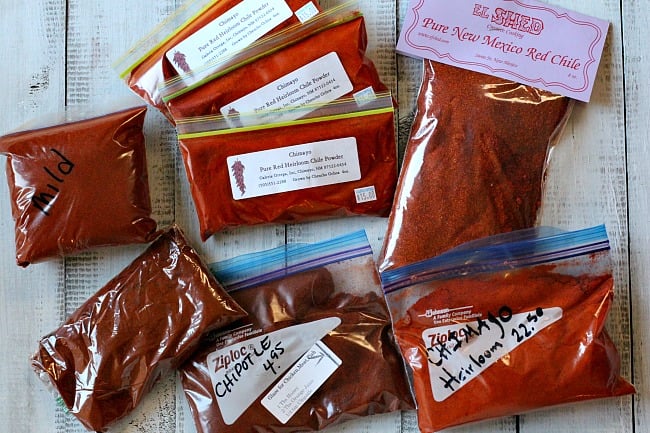
    • Red Chile Powder: My chile powder of choice is New Mexico Chimayo Chile Powder. Any New Mexico red powder will work, as well as Cayenne Pepper.
    • Flank Steak

    How To Cook Flank Steak In A Cast Iron Skillet, Step by Step

    Southwestern seasoning for cast iron flank steak.
    1. Step 1: If Using: Make my flank steak Southwest seasoning paste: In a small bowl, combine the olive oil with the minced garlic, red chile powder, salt and cumin. Use a small whisk to combine. Set aside.
    Seasoning flank steak to cook in a cast iron skillet.
    1. Step 2: Prep The Flank Steak: Remove the flank steak from the refrigerator and let it sit out for about 30 minutes. Adding a cold steak to a hot skillet causes the meat to tighten up. I’ve tried cooking it cold and at a warmer temperature. A warmer steak always wins out. Use a paper towel to pat the steak dry. Use your hands and rub the Southwest seasoning over both sides of the steak.
    Cooking a flank steak in a cast iron skillet.
    Cooking side two of a flank steak in a cast iron skillet.
    1. Step 3: Preheat The Cast Iron Properly: Turn you burner to medium high and add the cast iron skillet. Let the skillet heat for about 5 minutes before adding the steak. You can even wait until you see a faint wisp of smoke. Then you know for sure the skillet is nice and hot.
    2. Step 4: Sear without moving it: Add the seasoned flank steak to the hot skillet, laying it down away from you. Let it sear about 5 minutes without moving it. Turn the steak and cook the 2nd side for 5 more minutes
    3. Step 5: Check The Temperature: Use a digital read thermometer inserted into the thickest part of the steak. The temperature should read 125 degrees.

    Tip: If you’re not using my oil based rub, you’ll need to add a couple tablespoons of oil to the pan before adding the steak.

    Grilled sliced skirt steak for skirt steak salad.
    1. Step 6: Rest The Flank Steak: Remove the steak to a cutting board and tent for about 10 minutes. This will allow the internal temperature to rise a few degrees, and will allow the juices to redistribute so they don’t run all over the cutting board when you slice.
    2. How To Slice Flank Steak: It’s so important to slice flank steak against the grain. And luckily a flank steak grain is easy to see. Look for the fiber muscles, they run in clear lines. Slice it thin and this will keep the flank steak nice and tender.

    Tip: How To Cut A Flank Steak So It Will Fit In Your Skillet. Flank steak too big for your skillet? You can cut it into 2 – 3 smaller uniform pieces. Use a sharp knife and cut the steak against the grain. When cooking flank steak in smaller pieces, be sure not to crowd the skillet. You need air to circulate around each piece for that golden crust.

    Flank Steak Internal Temperature Guide

    DonenessPull TempFinal Temp
    Rare120°F125°F
    Medium Rare125°F130°F
    Medium135°F140°F
    Medium Well145°F150°F

    If I'm cooking for myself? I choose medium or medium rare, every time.

    Should You Marinate Flank Steak?

    You most certainly can, and I have a great flank steak marinade recipe on my site. Flank steak takes well to a marinade because of it’s lean and fibrous texture. I save marinated steaks for grilling, here’s why:

    With flank steak’s pure beefy flavor, I forego a marinade for stove top searing and rely on seasoning, here’s why. When cooking a flank steak hot and fast in a cast iron skillet, a dry seasoning or paste (with oil) creates a good crust. You skip the wet surface problem from a marinade. The moisture may compromise the ability to achieve that golden crust.

    How Long To Cook Flank Steak In A Cast Iron

    It truly depends on thickness.

    • 1″ thick, around 3 – 4 minutes per side.
    • 1 ½″ thick, closer to 5 minutes per side.
    • Important: Don’t cook by clock alone. Look for a deep brown crust, firm but slightly springy feel and internal temperature starting in the 120’s.

    Thermometer beats guess work, everytime.

    Common Mistakes When Cooking Flank Steak On The Stove

    I've made all of these. Yes, even after culinary school.

    • Cooking past medium. Please know that cooking flank steak too long will compromise tenderness.
    • Slicing with the grain. What a disaster. It’s hardly chewable.
    • Skipping the rest time. All of the juices run out onto the cutting board.
    • Starting with a lukewarm pan. That initial sizzle means that any remaining moisture is quickly cooking out of the surface of the meat. A sizzling skillet will trigger that beginning of that golden crust.

    Variations

    • While the steak is resting, quickly add rings of sweet onion to the skillet. Cook stirring until well charred. Spoon over steak and serve.
    • Add a spoon of Steak Butter while it rests.
    • Add a few slices to a warmed tortilla along with a slice of avocado for tacos.
    • Layer onto a steak salad.
    • Spoon chimichurri over the top.

    Topping Ideas For Flank Steak

    Personal Tip: Flank Steak With Charred Onions: (our favorite) Once you’ve tented the flank steak, throw a sweet onion that been cut in ⅛ inch slices into the still hot skillet. Cook the onions, stirring until charred and tender. This will take about 5 minutes. Slice the steak and top with the onions. Simply delicious.

    The Southwest seasoning I’ve suggested will most certainly pair well with any of these Southwestern salsas and sauces for additional flank steak topping ideas:

    • Sweet Spicy Jalapeno Pineapple Salsa
    • Chipotle Peach Salsa
    • Salsa Macha (Mexican Chile Oil)
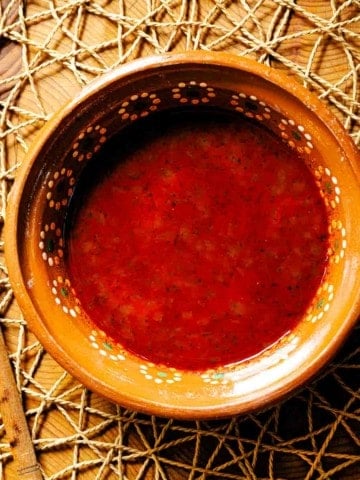
    • For pure and bold Southwest flavor, drizzle with New Mexico Red Chile Sauce, or Hatch Green Chile Sauce.
    • And we love this steak topped with Red Onion Chutney.

    What To Serve With Flank Steak

    Keep the Southwest Vibe Going:

    • Mexican Green Rice
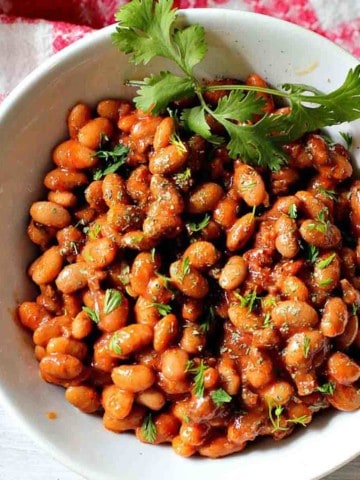
    • Cowboy Beans
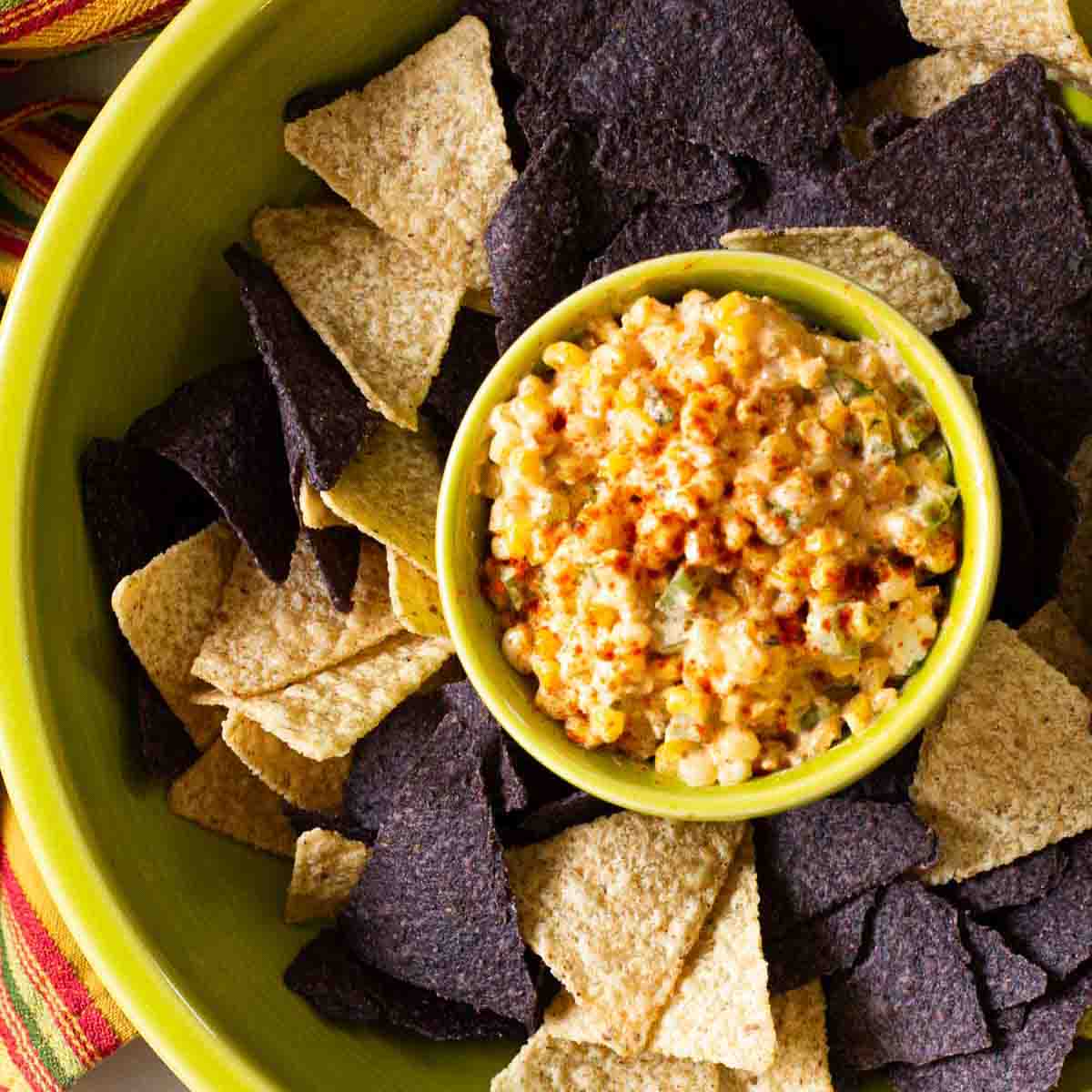
    • Mexican Corn Salad With Citrus Aioli

    Storage and Reheating

    • Refrigerator: Store, well sealed in the refrigerator for up to 4 days.
    • Freezer: Wrap well to freeze for up to 3 months. Remember to use a Sharpie and label with content and date.
    • Reheating: Let the steak thaw in the refrigerator overnight. Gently reheat in a skillet over very low heat, just until warm enough to eat. Microwave? No for any meat. It dulls the texture.

    Honestly, leftovers the next day in a tortilla! Delicious.

    FAQ’s

    What Kind Of Cast Iron Skillet Is Best?

    Lodge Brand Cast Iron Skillets have been around since 1896. That's 125 years of cast iron expertise. And they're affordable. You can also use a Le Creuset enameled cast iron grill pan. It works very well, but also comes with a much higher price point than a Lodge skillet. I like this article from Bon Appetit regarding points to consider when choosing a cast iron skillet.

    What If My Cast Iron Skillet Isn’t Big Enough?

    If you don't have a skillet large enough to hold a whole flank steak, you can cut the steak into 2 pieces pieces to fit neatly into the skillet. And keep in mind, a flank steak is thicker on one end, so that piece will take a little longer to cook.

    Can I Use This Recipe To Grill A Flank Steak?

    Absolutely yes. And, there are no cook time adjustments necessary.

    Can I Finish Flank Steak In The Oven?

    Yes, especially if it's thick. Sear first, then finish in a hot oven. This is a common method of pan searing thick cuts of steak like a Pan Seared Filet Mignon or Baseball Steak.

    Pan seared flank steak sliced and served on a white platter with charred onions.

    Explore More Flank Steak Recipes

    • Sliced grilled Flank steak and chimichurri on a white platter.
      Flank Steak With Chimichurri Sauce
    • Grilled flank steak with mexican street corn.
      Grilled Flank Steak with Charred Caramelized Sweet Corn
    • Asian marinade for grilled flank steak served with asian cucumbers and garnished with chives
      Grilled Flank Steak with Orange Ginger Marinade
    • Grilled flank steak on a cutting board with tangy horseradish sauce.
      Tangy Grilled Flank Steak with Horseradish Cream Sauce

    And if you’re looking for more recipes to pan-sear different steak cuts, take a look at Pan Seared Merlot Steak or this one for Pan Seared Bison New York Strip Steak. We love our beef here in Colorado. Don’t miss my category for Beef Recipes.

    If you liked this recipe, please leave a star ⭐⭐⭐⭐⭐ rating in the recipe card below and leave a comment. I always appreciate your feedback and hearing how everything went.

    And, don’t forget to subscribe to my newsletter for more delicious recipes and cooking tips. Make it a delicious day … every day.

    Sliced cast iron flank steak served on a white platter with charred onions.
    Print Recipe
    5 from 1 vote

    Cast Iron Skillet Flank Steak

    Learn how to cook a stove-top flank steak with a deep, golden crust in minutes. And with a juicy center that actually stays tender. Cast iron flank steak, simple steps, and no guesswork.
    Prep Time10 minutes mins
    Cook Time20 minutes mins
    Total Time30 minutes mins
    Course: Main Course Beef
    Cuisine: American
    Diet: Gluten Free
    Servings: 4
    Calories: 332kcal
    Author: Lea Ann Brown

    Ingredients

    • 1 ½ – 2 pounds Flank Steak
    • 3 Tablespoon Extra Virgin Olive Oil
    • 1 ½ teaspoon Kosher Salt
    • 3 cloves garlic fine chopped
    • 1 teaspoon Red Chile Powder New Mexico, or Cayenne
    • 1 teaspoon Ground cumin

    Instructions

    • If Using My Southwest Seasoining: In a small bowl, combine the olive oil with the minced garlic, red chile pepper, salt and cumin. Set aside.
    • Prep The Flank Steak: Remove the flank steak from the refrigerator and let it sit out for about 30 minutes. Adding a cold steak to a hot skillet causes the meat to tighten up. I've tried cooking it cold and at a warmer temperature. A warmer steak always wins out. Use a paper towel to pat the steak dry. Use your hands and rub the Southwest seasoning over both sides of the steak.
    • Tip: If you're not using my oil based rub, you'll need to add a couple tablespoons of oil to the pan before adding the steak.
    • Turn you burner to medium high and add the cast iron skillet. Let the skillet heat for about 5 minutes before adding the steak. You can even wait until you see a faint wisp of smoke. Then you know for sure the skillet is nice and hot.
    • Add the seasoned flank steak to the hot skillet, laying it down away from you. Let it sear about 5 minutes without moving it. Turn the steak and cook the 2nd side for 5 more minutes.
    • Use a digital read thermometer inserted into the thickest part of the steak. The temperature should read 125 degrees.
    • Transfer the steak to a platter and tent for about 10 minutes. The internal temperature will rise to medium rare state of 130 degrees. Slice the steak against the grain and serve.

    Notes

     
    If not using my oil-based seasoning rub, add a little oil to the hot skillet before adding steak.
    Tips for Success: 
    • Make sure to let the steak come to room temperature before cooking. This will help it cook evenly and prevent it from being too tough.
    • Use a meat thermometer to check the internal temperature of the steak. This will ensure that it is cooked to your liking.
    • Let the steak rest for a few minutes before slicing. This will allow the juices to redistribute, resulting in a more tender and flavorful steak.
    • ALWAYS and no if’s, and’s or butt’s, slice a flank steak against the grain.
    • Don’t try to pan sear any meat in a non-stick skillet. Most non-stick skillets do not get hot enough to properly sear meat.
    • If you don’t have a skillet large enough for a flank steak, cut the steak crosswise into 2 pieces lengthwise.
    Personal Tip: My favorite way to serve this cast iron flank steak is with charred onions. While the steak is resting, throw some thin sliced sweet onion in the skillet. Use a spatula to stir often, scraping the bottom of the skillet to incorporate the flavor bits from the steak. Cook until browned, about 7 minutes. Sprinkle the onions over the steak and serve. The sweet flavor of the onions goes well with the Southwest seasoning. 
     

    Nutrition

    Calories: 332kcal | Carbohydrates: 1g | Protein: 37g | Fat: 19g | Saturated Fat: 5g | Polyunsaturated Fat: 1g | Monounsaturated Fat: 11g | Cholesterol: 102mg | Sodium: 972mg | Potassium: 608mg | Fiber: 0.3g | Sugar: 0.1g | Vitamin A: 155IU | Vitamin C: 1mg | Calcium: 47mg | Iron: 3mg

    Cast Iron Flank Steak … It’s What’s For Dinner

    Sweet Spicy Jalapeno Pineapple Salsa

    April 13, 2026 By Lea Ann Brown 1 Comment

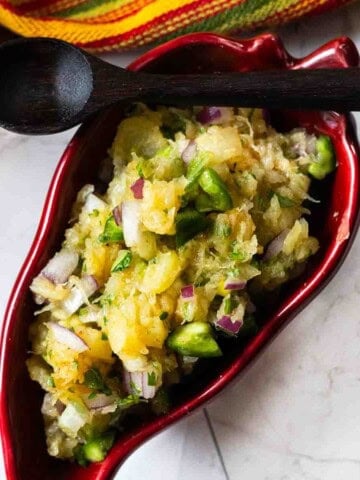
    Jalapeno pineapple salsa in a red chile shaped serving bowl.

    A great combo of sweet and spicy, this Jalapeno Pineapple Salsa is my go-to fruit salsa recipe to serve as a topping for grilled meats. It’s also a great stand alone salsa and a candidate for serving with tortilla chips as a dip. Using canned crushed pineapple, this Southwestern Salsa recipe is ready in 10 minutes.

    Jalapeno pineapple salsa in a red chile shaped bowl.

    What Is Jalapeno Pineapple Salsa?

    • A fresh, sweet-and-spicy salsa made with pineapple, jalapeños, vinegar, and simple add-ins.
    • This version uses canned crushed pineapple for convenience and consistent flavor.
    • With no cooking time required, it’s ready in minutes and works well as a dip, taco topper or grilled meat garnish.

    Why You'll Love This Recipe

    • Uses pantry-friendly canned pineapple (no chopping a whole fruit).
    • Balanced heat that’s easy to customize the spicy level.
    • Quick prep (10 minutes or less).
    • Versatile: tacos, grilled chicken, shrimp kabobs, use as a dip for tortilla chips.
    • Naturally gluten-free and dairy-free.

    Ingredients You’ll Need

    Ingredients to make Jalapeno Pineapple Salsa.
    • Canned crushed pineapple – drained
    • Jalapeno Pepper
    • Red onion
    • Fresh cilantro
    • New Mexico Red Chile Powder, Chimayo preferred.
    • Cilantro
    • Kosher Salt and Sugar
    • Seasoned Rice Vinegar: I like using rice vinegar due to it’s mild, sweet and savory flavor profile. It’s less acidic than white vinegar. I suggest apple cider vinegar as a substitute.

    Optional Add Ins and Substitutions

    • Lime Juice: Swap out lime juice for the vinegar.
    • Honey works well to substitute for sugar.
    • Sweet onion can be substituted for red onion.
    • Add red bell pepper for color.
    • Fine diced avocado is always welcome in most salsas.
    • Diced fresh garlic or garlic powder is a welcome flavor booster.

    Why Use Canned Crushed Pineapple?

    • Saves prep time, no tedious peeling or coring a fresh pineapple.
    • Consistent sweetness year-round.
    • It’s softer texture blends beautifully into salsa.
    • Holds up well for make-ahead salsa recipes.

    How To Make Jalapeno Pineapple Salsa (Step by Step)

    Step 1 how to make jalapeno pineapple salsa.
    1. Step 1: Chop onion, jalapeno pepper and cilantro. Drain crushed pineapple and add all ingredients to a large bowl.
    Step 2, how to make jalapeno pineapple salsa.
    1. Step 2: Use a spoon to stir and combine ingredients.

    How Spicy Is It?

    • That’s the beauty of working with New Mexico Red Chile Powder. You can purchase mild, medium or hot to accommodate your heat level tolerance.
    • Jalapeno peppers do carry some heat. To tame the spice, cut off the top of the pepper and use the handle of a spoon or fork to scrape out the seeds and veins. That’s where the heat lies. Removing them will remove a lot of the hot spice.

    Tips For Best Flavor

    • To avoid watery salsa, drain the pineapple thoroughly, in a colander in the sink. I even like to use a paper towel to pat the top of it as it drains to remove excess moisture.
    • Let it sit 10-15 minutes before serving.
    • Practice those knife skills. Uniform chopping of the onion and jalapeno pepper will yield even and balanced bites for a better flavor experience.

    Pro Tip Knife Skills: Always keep the hand that’s gripping the knife clean and dry. A wet hand could cause slips resulting in nicks or worse a nasty slice on your hand. 

    Serving Ideas

    As I mentioned above, this is my go-to recipe for my Grilled Maple Syrup Chicken Kabobs. Here are some more ideas:

    • Spoon over grilled chicken or grilled shrimp.
    • Use as a topping for Fish Tacos.
    • Serve with tortilla chips as an appetizer.
    • Pair with pork tenderloin.
    • Substute this as a topping for my grilled ham steak, instead of the brown sugar glaze.
    • Spoon over a simple grilled flank steak.
    • Use as a topping for these Shrimp Avocado Quesadillas.

    How To Store Jalapeno Pineapple Salsa

    Store in an airtight container in the refrigerator for up to 4 days. Unfortunately this recipe is not a good candidate for freezing.

    FAQ’s

    Can You Use Canned Pineapple to Make Salsa?

    Yes, canned crushed pineapple works great and saves time while delivering consistent sweetness.

    How Do You Keep Pineapple Salsa From Being Watery?

    Drain, drain and drain. Place a colander in the sink and let the canned pineapple drain for about 10 minutes. Pressing the top of the draining pineapple with a paper towel will also help release the moisture through the colander and dry the top of the pineapple

    Explore More Southwestern Salsa Recipes

    • spicy peach salsa recipe served with tortilla chips
      Chipotle Peach Salsa Recipe
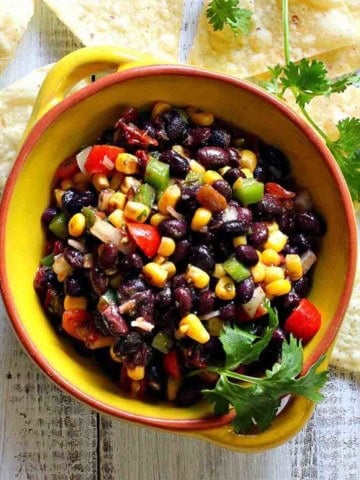
    • Black bean corn salsa dip in a yellow bowl.
      Smoky Black Bean And Corn Salsa Dip
    • Homemade Roasted Tomatillo Salsa Verde
    • Salsa Macha, Mexican chile oil on a white plate.
      Salsa Macha Recipe, Mexican Chile Oil

    And don’t miss the most popular salsa recipe on my site for Homemade Mexican Restaurant Style Salsa. A must have recipe for anyone serious about Mexican food. And check out my category for Southwestern Mexican Food Recipes. You’ll find lots of recipes to spice up your meal plans.

    If you liked this recipe, please leave a star ⭐⭐⭐⭐⭐ rating in the recipe card below and leave a comment. I always appreciate your feedback and hearing how everything went.

    And, don’t forget to subscribe to my newsletter for more delicious recipes and cooking tips. Make it a delicious day … every day.

    Jalapeno pineapple salsa in a red chile shaped serving bowl.
    Print Recipe
    No ratings yet

    Sweet Spicy Jalapeno Pineapple Salsa (using canned pineapple)

    A great combo of sweet and spicy, this is my go-to recipe to serve as a topping for my simple grilled meats. It's also a great stand alone salsa and a great candidate for serving with tortilla chips as a dip. Using canned crushed pineapple, this Southwestern salsa recipe is ready in 10 minutes.
    Prep Time10 minutes mins
    Total Time10 minutes mins
    Course: Appetizer Recipes
    Cuisine: Southwestern
    Servings: 3 cups
    Calories: 155kcal
    Author: Lea Ann Brown

    Ingredients

    • 20 ounce Canned crushed pineapple

      well drained

    • 2 medium Jalapeno peppers deseeded, deveined and minced
    • ½ cup Fresh cilantro chopped
    • 1 cup Red Onion chopped
    • 1 Tablespoon Rice Wine Vinegar or White Vinegar
    • 1 Tablespoon Sugar
    • ½ teaspoon Kosher Salt
    • ¼ to ½ teaspoon New Mexico Red Chile Powder Chimayo Chile Powder preferred

    Instructions

    • Chop onion, jalapeno pepper and cilantro. Drain crushed pineapple and add all ingredients to a large bowl.
    • Use a spoon to stir and combine ingredients.

    Notes

    Tips For Success
    • To avoid watery salsa, drain the pineapple thoroughly, in a colander in the sink. I even like to use a paper towel to pat the top of it as it drains to remove excess moisture.
    • Let it sit 10-15 minutes before serving.
    • Practice those knife skills. Uniform chopping of the onion and jalapeno pepper will yield even and balanced bites for a better flavor experience.

    Nutrition

    Calories: 155kcal | Carbohydrates: 39g | Protein: 2g | Fat: 0.3g | Saturated Fat: 0.1g | Polyunsaturated Fat: 0.1g | Monounsaturated Fat: 0.05g | Sodium: 396mg | Potassium: 353mg | Fiber: 4g | Sugar: 34g | Vitamin A: 426IU | Vitamin C: 34mg | Calcium: 47mg | Iron: 1mg

    Oven Roasted Chuck Eye Roast

    March 12, 2026 By Lea Ann Brown 1 Comment

    A slice of chuck eye roast on a plate served with roasted potatoes.

    Chuck eye roast is often called the butcher's cut because it delivers rich ribeye-like flavor at a much lower price. When oven roasted properly, it becomes tender, juicy, and deeply beefy. In this recipe, the roast cooks low and steady until perfectly pink in the center, then it's finished with a glossy balsamic fig glaze that turns this meal into something borderline irresistible.It's an easy way to turn an affordable cut of beef into a roast that feels restaurant-worthy.

    A slice of chuck eye roast served with fried potatoes and balsamic fig sauce.

    What Is A Chuck Eye Roast?

    A Chuck Eye Roast comes from the shoulder (chuck primal) , right next to the ribeye section. It’s a tender, flavorful and budget friendly. Often called “the poor man’s roast”, it’s well-marbled, weighs between 2 – 3 pounds, it’s superior in texture to a standard chuck roast. It differs from a standard chuck roast as it comes from the specific muscle that extends from the ribeye. This roast is a good value and full of beefy flavor. It’s also considered to be a “butcher’s cut”.

    Butcher's cuts are high quality, flavorful and often overlooked pieces of meat that you may not find at your local grocery store, similar to lesser known steaks, like The Denver Steak and The Merlot Steak. Traditional butcher's historically keep them for themselves rather than selling. These cuts are typically require skilled butchery to remove from the carcass. They are considered "hidden gems" known for intense beefy flavor and excellent value.

    I feel so fortunate that I first learned all about butcher cuts in Culinary School.

    Chuck Eye Roast vs. Ribeye

    A ribeye roast comes from the rib section rather than the shoulder. Ribeye has more consistent marbling. It's softer and more buttery and is more tender than a Chuck Eye. A Chuck Eye Roast has deeper beef flavor. Is slightly firmer in texture and comes with a much lower price point than ribeye.

    Is A Chuck Eye Roast Tender?

    It is, if you cook it properly. Which means, moderate heat and don’t overcook it. I recommend medium rare, 135 degrees internal temperature and pull it at the right temperature and let it rest. Your roast will turn out juicy, rich and surprisingly tender.

    For this recipe, we’ll sear the chuck-eye and then finish it in the oven. Simply seasoned, this is an easy, hands-off method that returns tender texture and loads of beefy flavor. Let’s take a look:

    Ingredients You’ll Need

    Ingredients to cook a chuck eye roast.
    • 3 – 4 pound Chuck Eye Roast
    • 5 – 6 cloves fresh garlic
    • Cracked mixed peppercorns (black, white, green and pink)

    How To Cook A Chuck Eye Roast

    Step 1: Searing a chuck eye roast.
    1. Step 1: Pat the roast dry and salt both sides. Heat an oven proof skillet over medium high heat. Add a couple tablespoons of oil. When oil is shimmering, add roast and sear for about 5 minutes. Note: I like to tie the roast using butcher’s twine so it will keep it’s shape.

    Tip: Oven Safe Skillets: A cast iron skillet is a good choice. And my choice is my French Carbon Steel Skillet. Light weight, it's the skillet of choice for Chef's and is routinely used in restaurants to pan-sear steaks, chicken and even seafood. Disclaimer: I am an Amazon Affiliate Member. If you purchase the skillet through the link above, I receive a small commission at no extra charge to you.

    Step 2: Seasoning a chuck eye roast.
    1. Step 2: Turn the roast over and press the ground peppercorns onto the cooked side. Continue to sear until the other side is nice and browned, about another 5 minutes.
    Step 3: Adding chopped garlic to a seared chuck eye roast.
    1. Step 3: Remove roast from heat and press the diced garlic onto the top side of the roast.
    Step 4: A cooked chuck eye roast out of the oven and on a cutting board.
    1. Step 4: Place roast in oven in the oven proof skillet and Insert digital meat thermometer so tip is centered in thickest part of roast, not resting in fat. Do not add water. Do not cover. Roast in 1-½ to 1-¾ hours for medium rare, or until meat thermometer reaches 135 degrees, 150 degrees for medium.
    Cooked and sliced chuck eye roast on a wood cutting board.
    1. Step 5: Transfer roast to carving board; tent loosely with aluminum foil. Let stand 15 to 20 minutes. Temperature will continue to rise about 10°F to reach 145°F for medium rare; 160°F for medium. Use a sharp chef knife to slice against the grain.

    Pro Tip: Don't skip searing the meat. This is a crucial step in getting the most flavor out of this meal. Searing creates what is technically called Maillard reaction. Maillard reaction is the process where a crust is created. Simply stated, it's responsible for the complex flavors and aroma that makes bread taste toasty, and a grilled or seared burger taste charred. It's a technique that brings science to your cooking skills.

    How To Serve It

    • Glaze: My choice is a rich sauce like my recipe for Balsamic Fig Glaze . Just a small drizzle will compliment the beefy flavor of this roast.
    • Sauce: Another option is this Balsamic Reduction Sauce. Another bold finishing sauce that is a great partner for beef.
    • Steakhouse: Want a steakhouse feel? Serve it with a little bowl of Horseradish Cream Sauce for dipping. It’s a great partner for Prime Rib and a natural for a Chuck Eye Roast.
    • Steak Butter: Compound steak butters are a popular choice. Take a look at my recipe for Whiskey Steak Butter.

    What To Serve It With

    A chuck eye roast comes with big flavor, so I recommend keeping it simple. I served it with some my Savory Cast Iron Skillet Potatoes. Or try this Green Vegetable Medley, or a salad with a sweet and tangy vinaigrette like this Red Wine Vinegar Dressing. As far as wine, I like a big peppery robust Zinfandel. Make it a grand Western style meal by serving vanilla ice cream topped with Mexican Chocolate Sauce for dessert.

    FAQ’s

    Can Chuck Eye Roast Be Cooked Like Prime Rib?

    Yes, roast it whole like a Boneless Prime Rib Roast. Season it simply, slice it and enjoy.

    Can You Cook It Low and Slow?

    I have cooked a chuck eye roast both in the crockpot and braised in a Dutch oven on low oven heat. Just don’t skip searing the meat first. Braise it in beef broth, red wine, onions, and garlic at 325°F for 3-4 hours until falling apart. Use enough liquid to cover the roast a third or half way.

    What Are Other Names For Chuck Eye Roast?

    It’s also known as America’s Beef Roast or Chuck Center Roast.

    I hope you give this Butcher cut roast a try. Seared, seasoned simply and you’ll find it a great family meal. And is it good for Sunday Dinner? Absolutely great. Just like Old Fashioned Pot Roast, it brings a touch of nostalgia to your dinner table.

    Explore More Beef Cuts For Roasting

    • Boneless prime rib roast cooked and served with brussels sprouts and onion rings
      Peppery Boneless Prime Rib Roast
    • Oven baked tri-tip roast served with potatoes and vegetables.
      Oven Roasted Tri-tip with Rosemary and Thyme
    • Mexican pot roast served over corn tortillas and garnished with sliced radishes and a wedge of lime.
      Mexican Pot Roast with Guajillo Chile Sauce (Carne Guisada)
    • Beef tournados with red wine mushroom sauce served with mashed potatoes and green beans
      Beef Tournedos Steak with Red Wine Mushroom Sauce

    And don’t miss my category for Beef Recipes. You’ll find lots of great dinner ideas including the most popular on my site for Beef Tagliata. It’s a great way to prepare flank steak.

    If you liked this recipe, please leave a star ⭐⭐⭐⭐⭐ rating in the recipe card below and leave a comment. I always appreciate your feedback and hearing how everything went.

    And, don’t forget to subscribe to my newsletter for more delicious recipes and cooking tips. Make it a delicious day … every day.

    This chuck eye roast recipe was adapted from Beef It’s What’s For Dinner.

    A slice of chuck eye roast on a plate served with roasted potatoes.
    Print Recipe
    No ratings yet

    Garlic Pepper Chuck Eye Roast

    Chuck eye roast is often called the butcher's cut because it delivers rich ribeye-like flavor at a much lower price. When oven roasted properly, it becomes tender, juicy, and deeply beefy. In this recipe, the roast cooks low and steady until perfectly pink in the center, then it's finished with a glossy balsamic fig glaze that turns this meal into something borderline irresistible.
    Prep Time10 minutes mins
    Cook Time1 hour hr 30 minutes mins
    Resting Time15 minutes mins
    Total Time1 hour hr 55 minutes mins
    Course: Main Course Beef
    Cuisine: American
    Servings: 10
    Calories: 411kcal
    Author: Lea Ann Brown

    Equipment

    • 1 Oven proof skillet

    Ingredients

    • 3 – 4 pound Chuck Eye Roast (America's Roast)
    • 2 Tablespoons Cracked Mixed Peppercorns black, white, green and pink
    • 5-6 cloves Garlic diced
    • 1 teaspoon Kosher salt

    Instructions

    • Preheat oven to 350 degrees.
    • Pat the roast dry and salt both sides. Heat an oven proof skillet over medium high heat. Add a couple tablespoons of oil. When oil is shimmering, add roast and sear for about 5 minutes.
    • Turn the roast over and press the ground peppercorns onto the cooked side. Continue to sear until the other side is nice and browned, about another 5 minutes.
    • Remove roast from heat and press the diced garlic onto the top side of the roast.
    • Place roast in the skillet, in the oven and Insert ovenproof meat thermometer so tip is centered in thickest part of roast, not resting in fat. Do not add water. Do not cover. Roast in 1-½ to 1-¾ hours for medium rare;, or until meat thermometer reaches 135 degrees, 150 degrees for medium.
    • Transfer roast to carving board; tent loosely with aluminum foil. Let stand 15 to 20 minutes. (Temperature will continue to rise about 10°F to reach 145°F for medium rare; 160°F for medium.
    • Use a sharp chef knife to slice against the grain. Drizzle slices with Balsamic fig sauce, balsamic reduction or serve with Creamy Horseradish Sauce.

    Notes

    Tips For Success
    Oven Safe Skillets: A cast iron skillet is a good choice. And my choice is my French Carbon Steel Skillet. Light weight, it’s the skillet of choice for Chef’s and is routinely used in restaurants to pan-sear steaks, chicken and even seafood. 
    Don’t skip searing the meat. This is a crucial step in getting the most flavor out of this meal. Searing creates what is technically called Maillard reaction. Maillard reaction is the process where a crust is created. Simply stated, it’s responsible for the complex flavors and aroma that makes bread taste toasty, and a grilled or seared burger taste charred. It’s a technique that brings science to your cooking skills.
     

    Nutrition

    Calories: 411kcal | Carbohydrates: 1g | Protein: 19g | Fat: 36g | Saturated Fat: 15g | Polyunsaturated Fat: 1g | Monounsaturated Fat: 16g | Cholesterol: 82mg | Sodium: 294mg | Potassium: 323mg | Fiber: 0.3g | Sugar: 0.02g | Vitamin A: 7IU | Vitamin C: 0.5mg | Calcium: 18mg | Iron: 2mg

    Chuck Eye Roast … It’s What’s For Dinner

    Balsamic Fig Glaze

    February 15, 2026 By Lea Ann Brown Leave a Comment

    Balsamic fig glaze recipe.

    Sweet, tangy, glossy and downright irresistible. This Balsamic Fig Glaze is the secret weapon your cheese boards, roasted vegetables, pork tenderloin, and grilled chicken have been waiting for. Made with fig jam and rich balsamic vinegar, this easy homemade fig glaze comes together on the stovetop in 15 minutes and tastes gourmet with almost no effort.

    Balsamic fig glaze in a white serving bowl.

    What Is Balsamic Fig Glaze?

    Balsamic fig glaze is a thick, glossy sauce made by simmering balsamic vinegar with fig jam until it turns syrupy and rich, sweet and tangy. It clings to food instead of running all over the plate.

    Why Is This Glaze So Easy?

    This isn't a balsamic reduction made with fresh figs, but made super simple How To Use It

    A glaze of this nature is a very simple way to dress up any main course meat to turn it into a restaurant quality experience.

    Let’s take a look.

    [feast_advanced_jump_to]

    Ingredients

    I mean really … could it get any easier than this. Two ingredients.

    ingredients to make balsamic fig glaze.
    • Fig Jam: Use your favorite jar of fig jam.
    • Balsamic Vinegar: I always have a big bottle of balsamic vinegar in my pantry that I purchase at Costco.

    Instructions

    Step 1 to make balsamic fig glaze.
    1. Step 1: Just place the balsamic vinegar in a saucepan and simmer on low, whisking occasionally and until reduced by ⅓ and is starting to become syrupy. This will take about 15 minutes.
    2. Step 2: Remove from heat and stir in the fig preserves and whisk to mix well. If glaze is too thick add water if necessary.

    Hint: If the Balsamic Fig Glaze becomes too thick, simply whisk in a little water to thin.

    How To Use It

    Balsamic fig glaze drizzled on a slice of chuck eye roast.
    1. A glaze of this nature is a very simple way to dress up any main course meat to turn it into a restaurant quality experience. My favorite way to use this in on a beef recipe, like this one for Chuck Eye Roast.
    • Pork Chops: A trick I learned back in culinary school, we used balsamic fig glaze to drizzle over pan seared pork chops, turning a humble piece of meat into a restaurant quality main course.
    • Lamb: I use this glaze most to dress up roasted lamb chops. Lamb chops are already an “fancy feel” main, and this glaze makes them special for a Saturday date night dinner, or for a dinner party. Christmas Eve dinner comes to mind.
    • Grilled Chicken Breasts or thighs.
    • Veggies: Don’t forget the vegetables. Drizzle this over steamed or roasted vegetable, or Marbled Potatoes.
    • Crostini: This is a great sauce or drizzled on crostini with melted Brie Cheese.
    • Charcuterie Board: It's unreal on a cheese board. Drizzle it over brie or goat cheese and watch people hover.
    • Fig Balsamic Salad Dressing: Drizzle over your favorite tossed salad, it make a great salad dressing.
    Balsamic fig glaze drizzled over boneless skinless chicken breasts.
    1. How To Serve: Drizzle over roasted or grilled, boneless skinless chicken breasts. Asparagus as a side dish works well here.
    1. How To Serve: Drizzle over roasted lamb chops with green beans and carrots for a side.

    Tips For Success:

    • A Smoother Glaze – Fig jam does contain seeds. Use a fine mesh strainer to strain the sauce to make it completely smooth.
    • As for balsamic vinegar, don't grab the cheapest bottle on the shelf. It doesn't need to be aged 25 years or anything dramatic. Just something balanced. If you use a cheap balsamic vinegar it will taste harsh straight up. That flavor will transfer to the glaze also.

    Variations and Flavor Add-Ins

    • Add a little fresh thyme or rosemary if you're serving this balsamic sauce with a steak.
    • A strip of orange peel wakes everything up and works nice if you’re glazing a fish fillet.
    • Black pepper or a pinch of chili flakes adds edge.

    Play around. This glaze is forgiving.

    Make Ahead, Storage, Reheating

    • Make Ahead: Please do. It gets better after a rest. The flavors settle down and get cozy with each other. Make it a day or two ahead and store it in the fridge. When you pull it back out, it'll be thicker and deeper. That's not a flaw. That's a bonus.
    • Storage: Keep it in an airtight container in the refrigerator. It will keep for about a week.
    • Reheating: Warm it gently in a saucepan over low heat, slow and steady. Add a splash of water or balsamic and stir. Don’t use medium or high heat or it may scorch. I advise against using the microwave, even 50% power may compromise the glaze.

    FAQ

    Is This A Sauce or A Glaze?

    Both. This is a sauce that due to the consistency of the Fig jam makes a thick sauce that works well as a glaze for cooked meats. It’s also a sauce that can be used to drizzle over pizza or even a tossed salad.

    Is Balsamic Fig Glaze The Same As Balsamic Reduction?

    No. A pure balsamic reduction is just vinegar cooked down. Balsamic fig glaze includes figs or fig jam, which add sweetness, body, and a softer, fruit-forward flavor.

    Can I Use Dried Figs Or Fresh Figs?

    Yes. Dried figs work well and are available year-round. Chop them small and add them at the beginning of this recipe, then strain. The same with fresh figs, when in season and available. Remove the stem, chop or mash them and add them at the beginning of the cook time. Strain or puree when the sauce is complete.

    Explore More Sauce Recipes

    I'm a sauce person. Always have been. Culinary school made me that way. Classic French training shaped most professional kitchens in the U.S. The old brigade system traces back to Auguste Escoffier, and he built his structure around sauces. The five "mother sauces" weren't random. They were foundations. If you could make those, you could build hundreds of variations without a recipe. Once you realize a simple glaze or sauce can change an entire dish, there's no going back.

    • Homemade cherry bbq sauce in a glass bottled.
      Cherry BBQ Sauce Recipe
    • A bowl of homemade Hatch Green Chile Sauce
      Homemade New Mexico Roasted Hatch Green Chile Sauce
    • Sauteed asparagus drizzled with balsamic reduction sauce.
      Balsamic Reduction Sauce, (Balsamic Glaze) Recipe
    • Easy horseradish cream sauce for prime rib.
      Easy Sour Cream Horseradish Sauce For Prime Rib

    Don’t miss this one for New Mexico Red Chile Sauce and my category for Sauces, Dressings and Vinaigrettes.

    If you liked this recipe, please leave a star ⭐⭐⭐⭐⭐ rating in the recipe card below and leave a comment. I always appreciate your feedback and hearing how everything went.

    And, don’t forget to subscribe to my newsletter for more delicious recipes and cooking tips. Make it a delicious day … every day.

    Balsamic fig glaze recipe.
    Print Recipe
    No ratings yet

    Balsamic Fig Glaze

    Balsamic and Fig Jam Glaze. An easy sauce to drizzle over chicken, steak, and my favorite, lamb chops. Two ingredients. 15 minutes.
    Prep Time5 minutes mins
    Cook Time15 minutes mins
    Total Time20 minutes mins
    Course: sauce
    Cuisine: Mediterranean
    Servings: 16 Tablespoons
    Calories: 43kcal
    Author: Lea Ann Brown

    Ingredients

    • 1 Cup Balsamic Vinegar
    • ¾ Cup Fig Preserves

    Instructions

    • Pour the balsamic vinegar in a small sauce pan and bring to a low simmer while whisking every few minutes. Continue to whisk until balsamic has reduced by ⅓ and is syrupy. This will take about 15 minutes.
      Remove from heat and stir in the fig preserves and whisk to mix well. If glaze is too thick add water if necessary.

    Notes

    Tips For Success: 
    • A Smoother Glaze – Fig jam does contain seeds. Use a fine mesh strainer to strain the sauce to make it completely smooth.
    • As for balsamic vinegar, don't grab the cheapest bottle on the shelf. It doesn't need to be aged 25 years or anything dramatic. Just something balanced. If you use a cheap balsamic vinegar it will taste harsh straight up. That flavor will transfer to the glaze also.
    This recipe makes about 1 cup of glaze or 16 tablespoons. Use about two tablespoons per drizzle.

    Nutrition

    Serving: 1Tablespoons | Calories: 43kcal | Carbohydrates: 10g | Protein: 0.1g | Fat: 0.01g | Saturated Fat: 0.001g | Monounsaturated Fat: 0.004g | Sodium: 7mg | Potassium: 26mg | Fiber: 0.1g | Sugar: 7g | Vitamin C: 1mg | Calcium: 6mg | Iron: 0.2mg

    New Mexico Style Huevos Rancheros in Red Chile Sauce

    February 7, 2026 By Lea Ann Brown 4 Comments

    New Mexico Style Huevos Rancheros.

    A super easy recipe to enjoy New Mexican Style Huevos Rancheros for breakfast. This classic Mexican and Southwestern recipe is a common breakfast entree in the West and Southwest. This dish is built around my New Mexico Red Chile Sauce, a foundational recipe in traditional Southwestern cooking.

    New Mexico Style Huevos Rancheros using blue corn tortillas and red chile sauce.

    What Are New Mexico Style Huevos Rancheros

    “Huevos Rancheros” simply translates to “Rancher’s Eggs”. A traditional Mexican breakfast entree featuring fried eggs served over a toasted corn tortilla and drizzled with a rich red chile sauce. Often served with beans and crumbled Cotija cheese.

    This classic Mexican dish becomes a New Mexico Southwestern specialty by using blue corn tortillas. They’re a staple of Southwest cuisine. With robust flavor and striking indigo blue hue, blue corn tortillas have deep rooted cultural significance. Simply stated, it's a natural choice for classic New Mexico recipes using corn tortillas.

    To finish, Southwestern Huevos Rancheros are drizzled with a New Mexico Red Chile Sauce, which can be made from chile pods or Red Chile Sauce From Ground Red Chile Powder.

    Why It Works

    • Easy: This recipe is so easy to throw together, making them a great choice for a weekday breakfast or even quick dinner.
    • Popular: Here in our neck of the woods, one can find Huevos Rancheros on the menu of most Mexican restaurants. They’re eaten as much as enchiladas, burritos and tacos.
    • Versatile: They an be made any way you want, this recipe is pretty simple with fried eggs served over warm corn tortillas, red chile sauce and a side of beans. Using canned beans makes this especially easy. Use black beans, chile sauced pinto beans (my favorite), or refried beans.
    • Red Or Green: You can make this recipe using Hatch Green Chile Sauce, but I suggest you keep it traditional with red sauce. I tried it once that way and quickly learned that my choice is smothered in “red”.

    This dish is all about red chile sauce. Not ranchero sauce. Not pico. Not something from a jar labeled "southwest." We're talking smooth, earthy, brick-red chile with depth and a little attitude. Spoon on enough of it that you can drag everything through it.

    I learned this early on, especially after culinary school, with an New Mexico Native Executive Chef, that New Mexico food plays by its own rules. Simple ingredients. No fuss. Big flavor. Huevos rancheros here aren't flashy and most certainly are a breakfast that sticks with you.

    Ingredients You’ll Need

    Ingredients to make New Mexico Style Huevos Rancheros.
    • Blue Corn Tortillas: Are a natural choice to make New Mexico Style Huevos Rancheros. If you can’t find them, use yellow corn tortillas. Yellow corn are sturdier than white corn and have a more pronounced corn flavor. Flour tortillas just seem wrong … and they are… for Huevos Rancheros.
    • Eggs: You simply can’t make this dish without them.
    • Red Chile Sauce: I always have a stash of this sauce in the freezer. It’s a wonderful New Mexico condiment that makes this recipe special. If you simply don’t want to take the time to make it, use Homemade Enchilada Sauce or store purchased.
    • Toppings: Chopped raw sweet onion, Cotija Cheese, and sliced black olives.

    How to Make New Mexico Huevos Rancheros

    Frying eggs to make Southwestern New Mexico Huevos Rancheros.
    1. Step 1: Start by warming the red chile sauce and the beans stovetop. Then proceed with this recipe.
    2. Step 2: Fry the eggs. Use a non-stick skillet and cook them low and slow until desired doneness.

    What Eggs Are Best For Huevos Rancheros?

    Runny Yolks win. If you want to be traditional, sunny side up should be your choice. Which mean, the eggs are cooked slowly, cooked until the white part is no longer runny. Sunny side up eggs are not flipped, leaving the yolk in tact and runny. Why do runny yolks matter? The runny yolks acts as a rich creamy sauce that blends with the other ingredients in a delightful way.

    How to toast corn tortillas stove-top.

    How To Toast Corn Tortillas

    1. Step 3: Warm the tortillas. You simply can’t take a corn tortilla out of the package and use it. They need to be warmed to be pliable and enhance their flavor. My favorite way to do this is to toast them stovetop. Place a corn tortilla over an open flame. The flame should be large enough so that it’s lapping at the edge of the tortilla. Let it toast for about 15 seconds, use tongs and repeat on the other side. Don’t walk away, watch them close. It truly takes just a few seconds to toast corn tortillas.
    Southwestern huevos rancheros served with beans and red chile sauce.

    Assembling Your Huevos Rancheros

    1. Step 4: Build that breakfast: Place two toasted or warmed blue corn tortillas on a plate. Top each with two eggs. Ladle a spoon full of beans next to the eggs and tortillas. Sprinkle with chopped onion, red chile sauce, sliced olives and crumbled Cotija cheese. If you’re a fan, sprinkle some chopped cilantro over all. Dig in.

    Tips For Authentic New Mexico Flavors

    • Use Authentic New Mexico Red Chile Sauce, with New Mexico Red Chile Pods. You’ll find two recipes on my site to make homemade. Red Chile Sauce from Pods and Red Chile Sauce from New Mexico Red Chile Powder. Chimayo chile powder, a New Mexico specialty, is preferred. Want to learn more, don’t miss my article about all things chile, Chili vs. Chile
    • For a short cut, you can buy Red Chile Sauce already prepared. Check out this one Hatch Valley Red Chile Sauce on Amazon. Another great source for chile powders and chile pods is The Hatch Chile Store.

    Authentic Variations You’ll Find

    • Papitas: In many New Mexico or Mexican Restaurants, you may see Papitas listed on the menu as a side dish for for Huevos Rancheros. They’re simply Mexican Breakfast Potatoes that are cubed and fried with bell peppers and onions. Regular hash-brown potatoes are also a good choice for a side dish here.
    • Sauce Options: Southwestern Huevos Rancheros also be served with Green Chile Sauce or you may have the choice of “Christmas Style” (red plus green sauce), which is very similar to my Huevos Divorciados (Divorced Eggs).

    FAQ’s

    What Makes Huevos Rancheros New Mexico Style?

    Simple, using blue corn tortillas and New Mexico Red Chile Sauce, both which are staples in New Mexico Cuisine.

    Can I Make Red Chile Sauce Ahead Of Time?

    You can and you should. Making red chile sauce from dried pods is somewhat of a production. Making it from Chile powder is a much easier method, but making the sauce a day ahead will make this recipe a cinch to make. Making red chile sauce ahead of time is common in New Mexico kitchens.

    Is This Recipe Spicy?

    That all depends on your sauce. And that’s the beauty of cooking with Hatch Chile Peppers. You can choose mild, medium or hot peppers to make your sauce.

    Explore More Southwestern Breakfast Recipes

    • Cottage cheese egg bites with poblano peppers.
      Southwest Egg Bites with Cottage Cheese And Bacon (In Oven)
    • Mexican breakfast scrambled eggs with black beans.
      Eggs Rio Grande, New Mexican Breakfast Eggs
    • A slice of hatch green chile bacon quiche with a deep dish pie pan with quiche and spatula
      Hatch Green Chile Quiche With Bacon
    • Mexican Breakfast Casserole with eggs, cheese and tortillas
      Eggs Ole’ Mexican Breakfast Casserole

    Love homemade Mexican flavors? Don’t miss this favorite for Baked Huevos Rancheros. A cast iron skillet recipe that requires a rich red chile sofrito sauce to cradle those eggs. And don’t miss my category for Breakfast Recipes. You’ll find a lot of great eye opening recipes.

    If you liked this recipe, please leave a star ⭐⭐⭐⭐⭐ rating in the recipe card below and leave a comment. I always appreciate your feedback and hearing how everything went.

    And, don’t forget to subscribe to my newsletter for more delicious recipes and cooking tips. Make it a delicious day … every day.

    New Mexico Style Huevos Rancheros.
    Print Recipe
    5 from 2 votes

    Southwest New Mexico Style Huevos Rancheros with Red Chile Sauce

    A super easy recipe to enjoy New Mexican Style Huevos Rancheros for breakfast. This classic Mexican and Southwestern recipe is a common breakfast entree in the West and Southwest. This dish is built around my New Mexico Red Chile Sauce, a foundational recipe in traditional Southwestern cooking.
    Prep Time15 minutes mins
    Cook Time15 minutes mins
    Course: Breakfast Recipes
    Cuisine: Southwestern Mexican
    Diet: Gluten Free
    Servings: 2 people
    Calories: 412kcal
    Author: Lea Ann Brown

    Ingredients

    • 1 ½ Cups Canned beans Chile beans, black beans, pinto beans or refried beans.
    • 1 cup Red Chile Sauce
    • 4 Blue Corn Tortillas
    • 4 large eggs fried
    • Toppings
    • Sliced Black Olives, Crumbled Cotija Cheese, Chopped Raw Sweet Onion

    Instructions

    • Heat the beans and the red chile sauce and keep warm.
    • Spray a non-stick fry pan with no-stick spray (Pam). Heat the skillet over medium heat. Once hot, add the four eggs and turn the head down to medium low. Cook low and slow until whites have set and yolks are still runny.
    • While the eggs are cooking, toast the blue corn tortillas over stovetop open flame. Once toasted place them one by one on a warm plate and cover with a clean dish cloth to keep warm.
    • To Build Your Huevos Rancheros
    • Place two corn tortillas on a plate, side by side or overlapping. Top each with a fried egg. Drizzle with red chile sauce. Spoon some beans on the side and sprinkle all with diced raw onions, sliced black olives and crumbled cotija cheese.

    Notes

    Tips for Authentic New Mexico Flavor
    • Use Authentic New Mexico Red Chile Sauce, with New Mexico Red Chile Pods. You’ll find two recipes on my site to make homemade. Red Chile Sauce from Pods and Red Chile Sauce from New Mexico Red Chile Powder. Chimayo chile powder, a New Mexico specialty, is preferred. Want to learn more, don’t miss my article about all things chile, Chili vs. Chile
    • For a short cut, you can buy Red Chile Sauce already prepared. Check out this one Hatch Valley Red Chile Sauce on Amazon. Another great source for chile powders and chile pods is The Hatch Chile Store.
    • If making homemade red chile sauce, make it a day or two in advance. This will make prep for this recipe easy!

    Nutrition

    Calories: 412kcal | Carbohydrates: 54g | Protein: 25g | Fat: 11g | Saturated Fat: 3g | Polyunsaturated Fat: 3g | Monounsaturated Fat: 4g | Trans Fat: 0.04g | Cholesterol: 372mg | Sodium: 1546mg | Potassium: 580mg | Fiber: 12g | Sugar: 11g | Vitamin A: 1341IU | Vitamin C: 3mg | Calcium: 137mg | Iron: 5mg

    New Mexico Style Huevos Rancheros Smothered in Red Chile Sauce … It’s What’s For Breakfast

    Next Page »

    I'm Lea Ann

    Welcome to my Colorado kitchen. If you're a fan of rustic homestyle cuisine, you've come to the right place. I'm a Culinary School Grad with a passion to inspire you to cook as often as you can. I offer reliable, approachable and easy to follow recipes. So grab that skillet and let's cook.

    More about me
    Graphic for Hatch Chile Recipes

    Reader Favorites

    • Super Moist Cheesy Cornbread with Creamed Corn
    • Flemings steakhouse macaroni and cheese in a white bowl.
      Flemings Steakhouse Mac and Cheese
    • Layered Mexican Casserole in a 9 x 13 pyrex dish with ground beef and corn tortillas, garnished with tomatoes and cilantro
      Mexican Casserole with Ground Beef and Corn Tortillas
    • Beef Tagliata, thin sliced flank steak served over arugula and cherry tomatoes.
      Beef Tagliata (Italian Steak)
    • Ham and cheese quesadilla made with corn tortillas and topped with a fried egg.
      Crispy Ham and Cheese Corn Tortilla Quesadillas
    • Spinach chicken mushroom skillet dinner.
      Chicken Mushroom and Spinach Skillet

    Cozy Winter Comfort Food

    • Chicken Fajita Pasta in a large skillet.
      Creamy Chicken Fajita Pasta
    • Spicy meatloaf made with sofrito.
      Spicy Sofrito Meatloaf, The Secret Ingredient For Ultimate Flavor
    • Hamburger potato soup served in an orange bowl.
      Old Fashioned Hamburger Potato Soup
    • Pork tenderloin tacos with guajillo chile sauce.
      Pork Tenderloin Tacos In Chile Guajillo Red Sauce

    Footer

    • Contact
    • About
    • Privacy Policy
    • Accessibility Statement
    • ↑ back to top

    Copyright © 2024 Cooking on the Ranch • Powered by Feast+

    Rate This Recipe

    Your vote:


    A rating is required
    A name is required
    An email is required