Cooking On The Ranch

  • Home
  • About
  • Recipe Roundup
  • Contact Me
  • Join Community
menu icon
go to homepage
  • Home
  • Soups, Stews, & Chilis
  • About
  • Recipe Roundup
  • Contact Me
    • Facebook
    • Instagram
    • Pinterest
  • search icon
    Homepage link
    • Home
    • Soups, Stews, & Chilis
    • About
    • Recipe Roundup
    • Contact Me
    • Facebook
    • Instagram
    • Pinterest
  • ×
    Home

    Southwest Sauteed Mixed Vegetables

    June 10, 2026 By Lea Ann Brown Leave a Comment

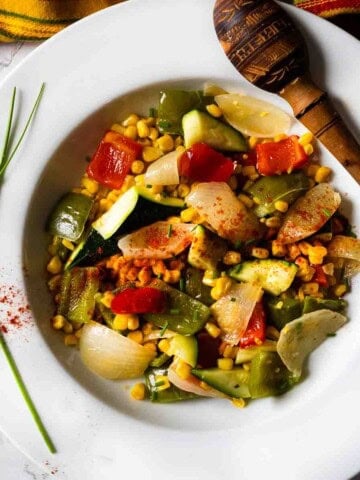
    Southwestern Sauteed Mixed Vegetables.

    Smoky peppers, sweet corn, tender zucchini, and a hot skillet. That's really all you need for a Southwestern vegetable side dish that tastes way bigger than the effort it takes. This recipe for Sauteed Mixed Vegetables is fresh, healthy and with just enough “just right spicy” smoky heat.

    Southwest Sauteed Mixed Vegetables served in a white bowl.

    Southwest Flavor Profile Explained

    What makes these Sauteed Mixed Vegetables Southwestern? This recipe includes vibrant vegetables native to or featured in New Mexico cuisine. In this case, sweet corn, zucchini and bell peppers make up the mix. Seasoned simply with New Mexico red chile powder, Chimayo preferred. And can be topped with either New Mexico Red Chile Sauce or Green Chile Sauce.

    I recently became obsessed with sauteed mixed vegetables during a stay at a lovely hotel in Santa Fe New Mexico. Their daily breakfast buffet, which has now inspired my new breakfast routine, included a large pan of beautiful sauteed veggies alongside a big pan of Pinto Beans. Offered with a flour or corn tortilla, scrambled eggs and I was in breakfast heaven.

    I started making versions of this recipe years ago after culinary school when I got mildly obsessed with learning how restaurants keep vegetables crisp-tender instead of limp and watery. The answer is simple really. Don’t be afraid of heat, use a heavy skillet and your zucchini won’t collapse, the peppers will carry that sweet roasted flavor and you’ll have a skillet of crisp fried, colorful veggies.

    Why This Recipe Is So Appealing

    • Ready in less than 30 minutes, and that includes the chopping. Fast enough for a weeknight side.
    • One skillet means easy cleanup.
    • Versatile: It’s a great dinner side dish that goes with tacos, grilled chicken, burgers, steak, stacked enchiladas … basically anything rustic and smoky.
    • Flavor: Fresh and bold and colorful.
    • Meal Prep: I’m not kidding when I say I have these for breakfast. I make a batch on Sunday and reheat in the microwave. My plate consists of a scoop of these veggies, some beans and a scrambled egg. A good dose of healthy veggies, and two servings of protein and I’m not hungry for hours. I call that healthy.

    Key Ingredients

    Ingredients to make Southwest Sauteed Mixed Vegetables.
    • Southwest themed vegetables: If you’re familiar with the Three Sisters, which refers to the three main ingredient agricultural crops of the Indigenous people of North America. Corn, beans and squash. I’m loosely keeping with that theme by using squash and corn. Use any variety of squash here: zucchini, yellow squash, summer squash and if you can find it, Calabacita squash.
    • Peppers: I’m following suit with how the restaurant in New Mexico served this dish and using green and red bell peppers. A poblano pepper would also work nicely here.
    • Onion: A sweet onion seems to fall naturally in place to complete the dish.
    • Seasoning: Keep it simple with salt, pepper and New Mexico Red Chile Powder, preferably Chimayo Chile Powder. Or try my recipe for Southwest Spice Blend.

    Optional Add-ins

    I like to keep this recipe just as it is, but here are some ideas for ingredient add-ins.

    • Roasted and chopped Hatch green chile peppers.
    • A cup of black beans or pinto beans. Canned would be very easy here, drained and rinsed. Add these when you add the zucchini and corn.
    • Jalapeno Peppers: Kick the the heat by adding chopped or sliced jalapeno peppers. Add these when you add the peppers and onions.
    • Garnishes: Once plated, add chopped avocado and some Mexican crumbling cheese like Cotija.

    Step by Step Instructions

    How To Saute Vegetables Without Getting Mushy

    Cooking bell peppers and onions for sauteed mixed vegetables.
    Step 2, adding corn to sauteed mixed vegetables.
    1. Step 1: HEAT – Add the tough vegetables first: Heat a large skillet over medium high heat. Add oil and once oil is shimmering add the tough vegetables first. Onion and bell peppers. Cook for about 7 minutes, stirring frequently. Once I see the onions starting to get some caramelization, I proceed with the recipe.
    2. Step 2: LAYER. Turn the heat up a couple notches . Corn and zucchini will release some moisture, so adding a bit more heat will help cook that away. Add the zucchini and thawed corn. Cook, stirring frequently until zucchini is starting to look like it’s sweating. That means it’s starting to soften. Don’t overcook, as the zucchini will soften quickly. Frozen corn is already cooked, so it’s a low maintenance. It will cook easily during this process and turn out piping hot.
    Step 3: seasoning Southwestern sauteed mixed vegetables.
    Step 4: Stirring in spices for Southwestern sauteed mixed vegetables.
    1. Step 3: Add Salt At The End: Wait to season until the end. Adding salt too early will draw more moisture out of the vegetables. Season the vegetables with salt, pepper and New Mexico red chile powder.
    2. Step 4: Stir it all together and let it cook and stir for about two more minutes. Completing this step will bring out the flavor and heat of the chile powder. Remove from heat and serve immediately.
    Best Skillet For Sauteed Vegetables

    Cast iron wins here. You get deeper browning and those little blistered spots on the corn and peppers that taste almost grilled.

    Avoid a non-stick pan. They’re notorious for not generating enough heat to properly sear, whether it be meats or veggies. Save non-stick pans to cook seafood.

    Tips For Success

    • Knife Skills: Practice those knife skills. Uniform cuts result in uniform cooking and also pride in skill set. And remember, larger chunks hold texture better.
    • Oil: Use a high smoke point oil. Good examples of this are canola oil, vegetable oil or avocado oil. Olive oil is not a high smoke point oil and may burn if you get the pan too hot.
    • Salt: Salt near the end of cooking to keep the vegetables nice and crisp. Salt draws moisture out and salting too early may result in shriveled soggy vegetables.

    Colorado Sweet Corn

    I make this recipe year round using frozen corn, but when Colorado Sweet Corn starts hitting out farmer’s markets, it simply turns this dish from great to amazing. Peak-season Colorado corn gets sweeter as it cooks and picks up little caramelized edges in the skillet that taste ridiculously good

    Sweet corn is a healthy vegetable in many ways, but it is a starch. If you’re watching your blood sugar, substitute small chopped carrot.

    What To Serve Them With

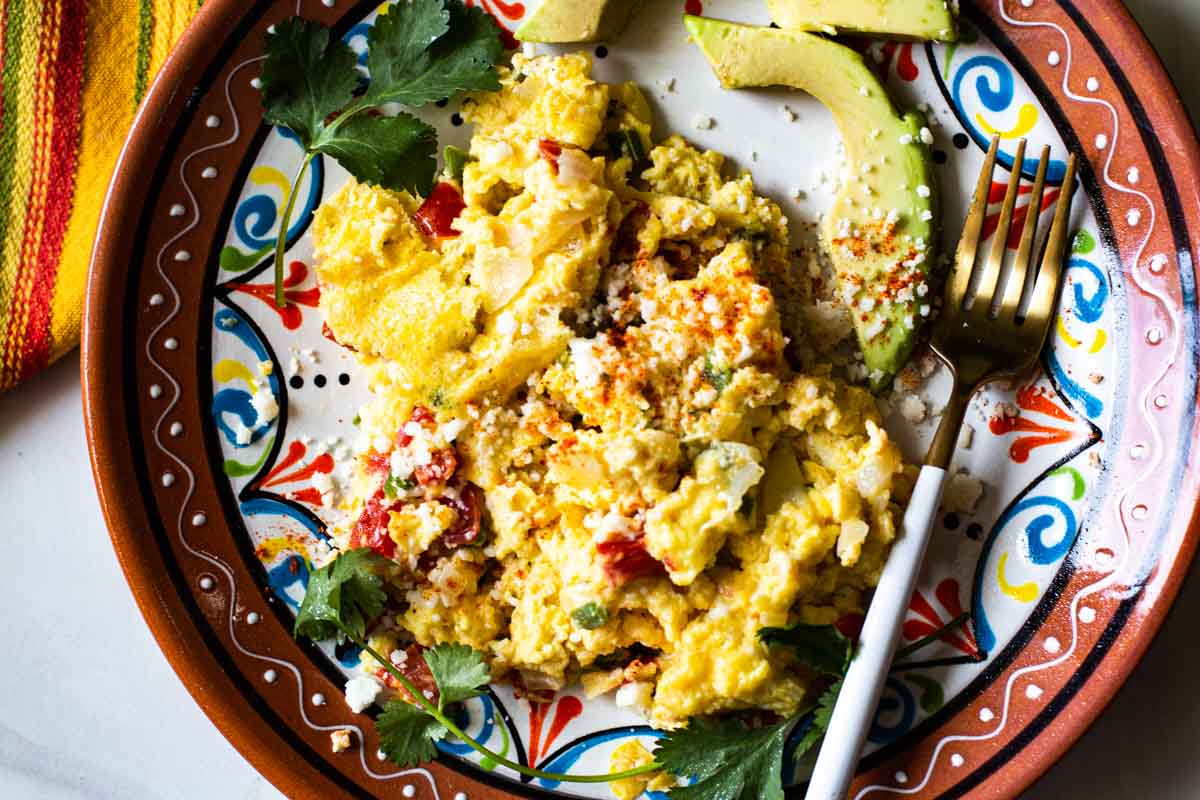
    • Breakfast: Since this dish was introduced to me as a breakfast entree, this is the meal of choice for me. Alongside a scrambled eggs or Southwest Egg Bites, it’s a healthy breakfast.
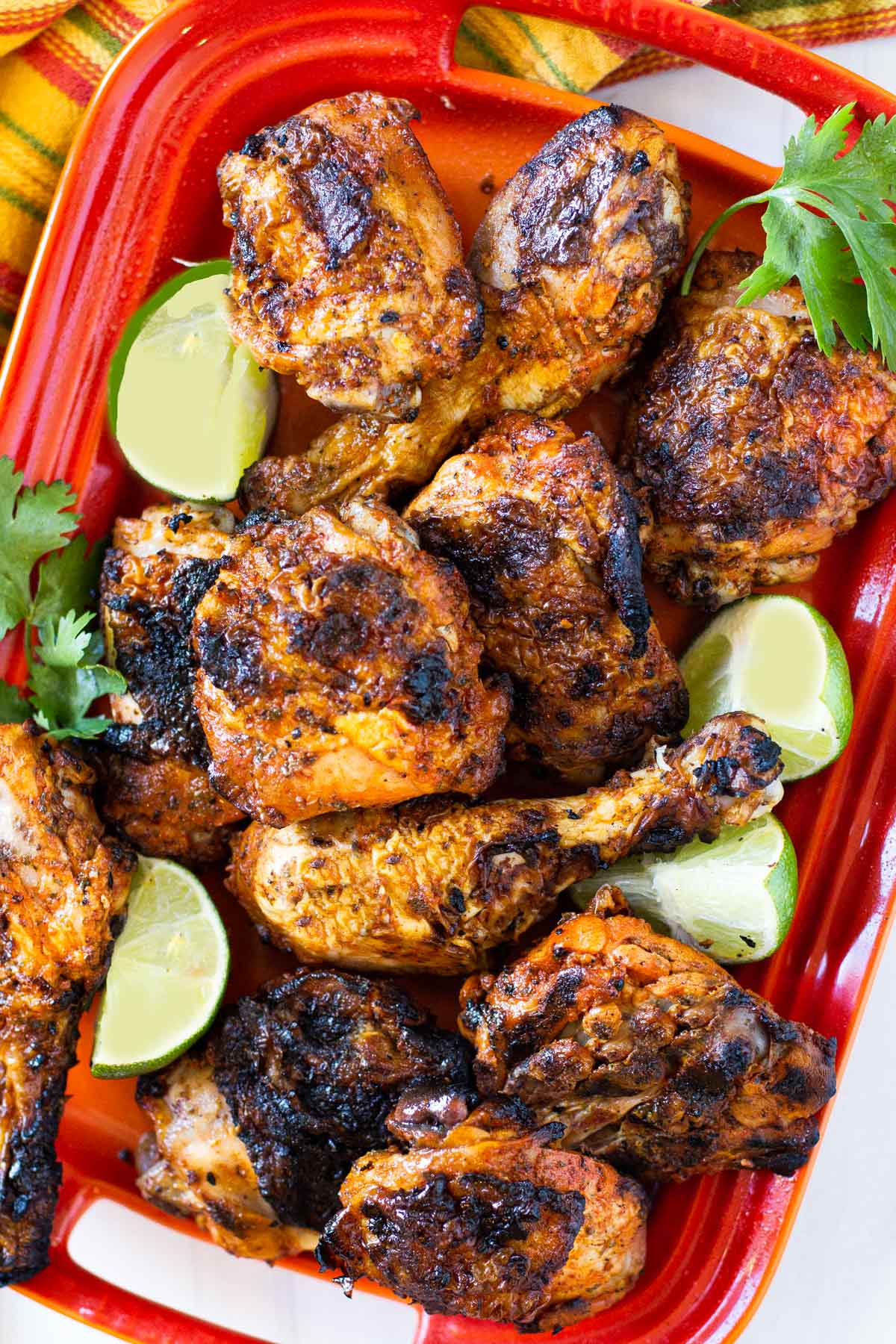
    • Dinner Side Dish: Mixed vegetables make an excellent side dish for any rustic style Southwestern themed main course. Try serving them with Flank Steak With Chimichurri. Or Pork Tenderloin Tacos with Chile Guajillo Sauce. Mexican Grilled Chicken is a good choice, as well as a spicy burger option like my recipe for Jalapeno Steak Sauce Burgers.

    Storage and Reheating

    • Refrigerator: Store any leftovers in the refrigerator in a sealed contained for up to 4 days.
    • Freezer: I don’t recommend freezing. The freezer will compromise the crispness of the vegetables.
    • Reheating: I suggest using the microwave. Reheat individual servings in 15 second increments.

    FAQ’s

    Can I Use Frozen Vegetables?

    Yes and no. The only frozen vegetable I suggest for this recipe is frozen corn. It’s a sturdy vegetable and stays crisp when fried. The only frozen onions and peppers I’ve found are chopped too small and won’t work for this recipe.

    Can I Make These Ahead For Meal Prep?

    Yes. And I do almost weekly. Once cooked, store in an airtight container in the refrigerator. Reheat individual servings in the microwave in 15 second increments until just warm enough to eat. Be careful, the microwave can most certainly overcook quickly.

    Can I Oven Roast These Instead?

    You can, but I think the skillet method is easier. Place the vegetables on a sheet pan and drizzle with oil. Cook at 400 degrees for about 20 minutes, stirring after 10 minutes.. Add corn and zucchini and cook for another 10 – 15 minutes.

    Explore More Southwestern Side Dish Recipes

    • Southwest corn with jalapeno peppers.
      Coyote Corn, Southwest Corn With Jalapenos
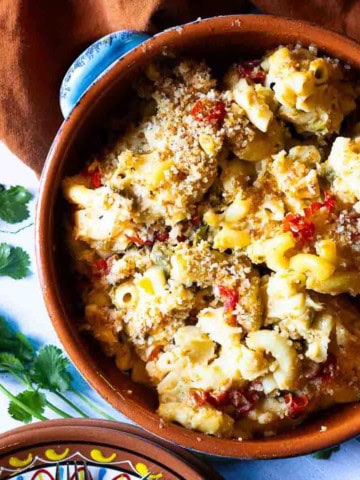
    • Green Chile Mac and Cheese in a serving bowl.
      Hatch Green Chile Macaroni and Cheese
    • Mexican Green Rice served in a black serving bowl.
      Toasted Mexican Green Rice (Arroz Verde)
    • Spicy mashed potato stuffed poblano peppers.
      Spicy Mashed Potato Stuffed Poblano Peppers

    And if you’re curious about learning more about Southwestern cooking, check out my category for Mexican and Southwest Recipes. You’ll find lots of recipe ideas to spice up your meal plan. Including one of the most popular on my site for this Mexican Casserole with Ground Beef and Corn Tortillas. Layered with corn tortillas, and lots of cheese, it’s a classic recipe to start with.

    If you liked this recipe, please leave a star ⭐⭐⭐⭐⭐ rating in the recipe card below and leave a comment. I always appreciate your feedback and hearing how everything went.

    And, don’t forget to subscribe to my newsletter for more delicious recipes and cooking tips. Make it a delicious day … every day.

    Southwestern Sauteed Mixed Vegetables.
    Print Recipe
    No ratings yet

    Southwest Sauteed Mixed Vegetables

    Smoky peppers, sweet corn, tender zucchini, and a hot skillet. That's really all you need for a Southwestern vegetable side dish that tastes way bigger than the effort it takes. This recipe for Sauteed Mixed Vegetables is fresh, healthy and with just enough "just right spicy" smoky heat.
    Prep Time10 minutes mins
    Cook Time12 minutes mins
    Total Time20 minutes mins
    Course: Side Dish
    Cuisine: Southwestern
    Diet: Gluten Free
    Servings: 6
    Calories: 150kcal
    Author: Lea Ann Brown

    Equipment

    • 1 Heavy Skillet Large. A cast iron works well here.

    Ingredients

    • 3 Tablespoons Neutral oil Canola, avocado or peanut oil work well here
    • 1 medium Sweet onion cut into wedges
    • 1 Red Bell Pepper cut into square planks
    • 1 Green Bell Pepper cut into square planks
    • 1 medium Zucchini cut into wedges
    • 12 ounces Frozen sweet corn room temperature
    • ½ teaspoon Kosher salt
    • ¼ teaspoon Freshly ground black pepper
    • 1 teaspoon New Mexico Red Chile Powder Preferably Chimayo

    Instructions

    • Remove the frozen corn from the freezer 30 minutes in advance of starting this recipe.
    • To Cut The Vegetables: Cut the ends off the onion, cut it in half vertically, remove the tough outer layer and skin, then cut into wedges.
    • Cut both ends off the bell peppers. Cut it in half, and lay the two pieces skin side down. Remove the core and any veins, and cut into square planks.
    • Cut the ends off the zucchini, then cut in half lengthwise. Then cut into triangle shaped wedges.
    • Heat oil in a large heavy skillet over medium high heat. Once oil is shimmering, add the bell peppers and onions. Cook, stirring frequently for 6 minutes, or until you see some blistering on the vegetables.
    • Raise the heat a bit and add the zucchini and corn and cook for 4 more minutes, stirring frequently.
    • Season with salt, pepper and red chile powder. Cook, stirring for a couple more minutes to combine seasonings and vegetables.

    Notes

    Tips For Success
    • Knife Skills: Practice those knife skills. Uniform cuts result in uniform cooking and also pride in skill set. And remember, larger chunks hold texture better.
    • Oil: Use a high smoke point oil. Good examples of this are canola oil, vegetable oil or avocado oil. Olive oil is not a high smoke point oil and may burn if you get the pan too hot.
    • Salt: Salt near the end of cooking to keep the vegetables nice and crisp. Salt draws moisture out and salting too early may result in shriveled soggy vegetables.
    • Best Skillet: Use a heavy bottomed skillet. A cast iron skillet works very well here. Avoid a non-stick pan. They’re notorious for not generating enough heat to properly sear, whether it be meats or veggies. Save non-stick pans to cook seafood.

    Nutrition

    Calories: 150kcal | Carbohydrates: 19g | Protein: 3g | Fat: 8g | Saturated Fat: 1g | Polyunsaturated Fat: 2g | Monounsaturated Fat: 5g | Trans Fat: 0.03g | Sodium: 208mg | Potassium: 359mg | Fiber: 3g | Sugar: 7g | Vitamin A: 1009IU | Vitamin C: 53mg | Calcium: 23mg | Iron: 1mg

    Southwest Sauteed Mixed Vegetables … It’s What’s For A Side Dish

    Hanging Tender Steak (Hanger Steak) – How to Cook It Perfectly

    June 4, 2026 By Lea Ann Brown Leave a Comment

    Hanging tender steak served with green chile sauce, tomatoes and avocado.

    Hanger steak, also known as Hanging Tender Steak, is one of those cuts that feels like a secret you weren't supposed to find. Deep, beefy flavor, a tender bite when handled right, and usually priced below the big-name steaks. This simple pan-seared method delivers a perfect crust and juicy interior.

    Hanging tender steak drizzled with green chile sauce.
    Add us as a trusted site on Google

    Butcher’s cuts are high quality, flavorful and often overlooked pieces of meat that you may not find at your local grocery store. Traditional butcher’s historically keep them for themselves rather than selling. These cuts are typically require skilled butchery to remove from the carcass. They are considered “hidden gems” known for intense beefy flavor and excellent value.

    My first experience was in culinary school where I was introduced to the Denver Steak. And now I can’t stop loving them all. Compared to hanger steak, Denver steak has more marbling and a finer grain, making it slightly more forgiving to cook. But for now, let’s focus on this Butcher’s Cut, the Hanging Tender Steak and how to cook it – it’s wonderful.

    What Is Hanger Steak?

    A hanger steak is a cut that hangs from the cow’s diaphragm. It doesn’t get a lot of work, so It’s extremely delicious and tender due to it’s unique texture. It’s prized and considered a “secret cut” or butcher’s cut, it’s scarce because there’s only one steak per animal. It’s purposely cut as one piece with silver skin running down the center. You’ll see it labeled as a hanger steak or hanging tender steak.

    Best Way To Cook A Hanging Tender Steak

    Fast and High! Season the outside with salt and pepper or even some Montreal Steak Seasoning, or even your preferred steak seasoning. We like all of these options and sometimes add some Red Chile Powder or use my Southwest Spice Blend. Add neutral oil, such as Canola, vegetable or grape seed oil in a heavy skillet until it’s nice and hot. Add the steak and cook for 5 minutes. turn and cook another 5 minutes. Both sides should have a nice crust. The steak should be cooked to an internal temperature of 135 to be kept at rare to medium rare. Cook the steak whole, then run a knife along the center silverskin to separate the two halves.

    What Temperature Should Hanger Steak Be Cooked To?

    Hanger steak is at its best when cooked to medium-rare, which preserves its juicy texture and rich beefy flavor.

    DonenessRemove From HeatFinal Temperature After Resting
    Rare120-125°F125-130°F
    Medium-Rare (Recommended)125-130°F130-135°F
    Medium135-140°F140-145°F
    Medium-Well145-150°F150-155°F

    Because hanger steak has a loose grain and relatively little fat, it can become chewy if cooked much beyond medium. For the most tender results, pull the steak from the heat when it reaches 125-130°F, then let it rest for 5-10 minutes before slicing.

    My testing notes: I found the sweet spot to be about 128°F before resting. The steak finished around 133°F, producing a rosy center, a flavorful crust, and a noticeably more tender bite than steaks cooked to medium or beyond.

    Important: No matter what temperature you choose, always slice hanger steak against the grain. Proper slicing has just as much impact on tenderness as cooking it to the correct temperature.

    Where To Buy Hanger Steak

    • Find a local rancher who sells directly to the public. I purchase mine from Boothill 7 Ranch. And I know of other local ranches who offer Butcher’s Cuts.
    • Go to your local Meat Market and ask them. They may have it but not displayed, or they can order it for you. If it is displayed, it can be labeled as hanger steak, hanging tender steak or onglet. Unfortunately mass grocery chains are not a good source.

    Ingredients You’ll Need

    Ingredients to cook a hanging tender steak.
    • Hanging Tender Steak: Every hanging tender steak I’ve received from my source has been around 1-¼ to 1-½ pounds. This will easily feed 2 – 4 people.
    • Seasoning: It’s up to you, but I always keep it pretty simple to let the beefy flavor shine. Salt, pepper and New Mexico Red Chile Powder.

    How To Cook Hanger Steak

    Seasoning a hanging tender steak.
    Cooking a hanging tender steak in a cast iron skillet.
    1. Step 1: Let the steak come to room temperature. Pat the steak dry with a paper towel and season.
    2. Step 2: Heat oil in a heavy skillet. A cast iron skillet works very well here as well as a Carbon Steel Pan. Once the oil is shimmering, carefully lay the steak in the skillet. Cook 5 minutes per side or until each side has a golden crust and a digital read thermometer registers the internal temperature at 125 degrees for rare, 135 for medium. Transfer the meat to a board to rest for 10 minutes before removing the silverskin and slicing against the grain.

    Tip: If the crust on the steak is starting to burn, without desired internal temperature, move the steak to a 400 degree oven for a few minutes.

    Step 2: Removing membrane from cooked hanging tender steak.
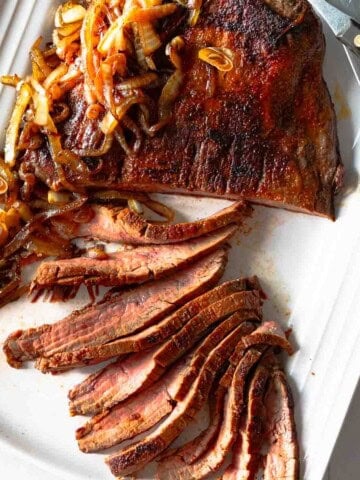
    How to slice hanging tender steak against the grain.

    How To Cut Hanger Steak

    1. Step 3: Using a sharp chef knife, slice along each side of the membrane (silverskin) to remove it from the steak. Discard it.
    2. Step 4: It will be easy to determine the grain with the two remaining pieces of steak. Angle them so you can easily slice thin against the grain and serve immediately.
    Flavor Boosters and Toppings

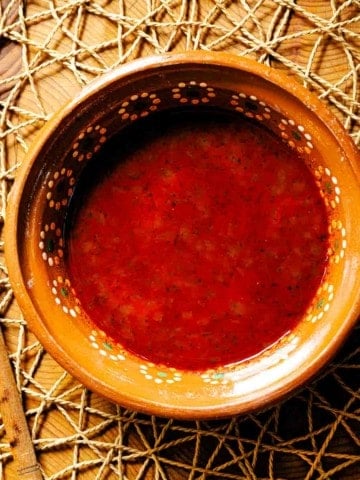
    Keeping the seasonings simple allows the opportunity to top the steak with sauces or glazes. We always lean towards Southwestern, so I drizzle my portion with Green Chile Sauce. Or a richer New Mexico Red Chile Sauce. Here are some other ideas:

    • Balsamic Fig Glaze, or a straight Balsamic Reduction Sauce.
    • A standard BBQ Sauce might overwhelm the beef flavor, but try topping it with this milder Peach BBQ Sauce.
    • Salsas: I like tropical style salsas for steak rather than tomato based. Jalapeno Pineapple Salsa works well here, as well as this Chipotle Peach Salsa. Mango Pico de Gallo is also a good option.
    • Chimichurri Sauce is a very popular choice for steak.

    Tips For Success

    • If the steak is too long to fit in the pan, it will easily curve to fit.
    • For optimal tenderness, pay attention to internal temperature.
    • Once cooked, don’t skip removing the silverskin membrane.
    • Slice against the grain.
    • Don’t treat a hanging tender steak like it’s a ribeye. It’s closer to skirt steak in behavior.
    • If you’re going to marinate hanger steak (I don’t), marinate for 4 – 6 hours. A traditional marinade will contain an acid (like lime juice). Due to the texture of hanger steak, an overnight marinade will break down the fibers and cause the meat to be mushy.

    What To Serve With Hanging Tender Steak

    Simple sides are always my suggestion for steak dinners.

    • Grilled or sauteed vegetables.
    • Take a look at my recipe for Cumin Garlic Marbled Potatoes. Nothing like steak and potatoes for dinner.
    • This Honey Butter Skillet Corn is a great side, or keep with the Southwestern vibe and try Southwestern Sauteed Mixed Vegetables.
    • Go with the steakhouse vibe and serve it with a salad topped with creamy chunky Homemade Blue Cheese Dressing.

    Storage and Reheating

    • Refrigerator: Store any leftover steak in an airtight container in the refrigerator for up to 4 days.
    • Freezer: Cooked hanger steak can be frozen for up to three months. Tip: Be sure to label and date the package. Let is thaw in the refrigerator overnight before reheating.
    • Reheating: Don’t use the microwave. it will compromise the texture of the steak. Place sliced steak on a sheet pan and reheat in a 200 degree oven for 10 minutes. Or pan fry for a a couple of minutes on medium low heat. You don’t want to re-cook the meat, just get it hot enough to eat.

    FAQ’s

    Do You Need To Marinate Hanger Steak?

    You do not need to. One of the reasons this butcher’s cut is so prized is because of its naturally rich, beef-forward flavor. Simple seasoning works very well here. However, hanger steak’s loose grain makes it exceptionally receptive to marinades. We especially love a Southwestern style marinade like this one I use for flank steak. Best practice: Skip the marinade if you want to experience hanger steak at its best. Save marinades for grilling fajitas, steak Carne Asada Tacos, or Southwestern-inspired preparations where additional flavors are part of the dish.

    Why Is My Hanger Steak Chewy?

    Because it has been over cooked to medium. Please cook hanger steak to medium rare. Or, perhaps you didn’t trim the silverskin before slicing.

    Can You Grill Hanger Steak?

    Absolutely, just follow the prep steps, heat grill to 400 degrees, then lower to 350. Grill uncovered 2 – 3 minutes a side until a digital read thermometer registers the internal temperature at 125 degrees for rare, 135 for medium. Transfer the meat to a board to rest for 10 minutes before removing the silverskin and slicing against the grain.

    Expore More Specialty Butcher Cuts

    If you’re interested in exploring more lesser known beef cuts that butchers have prized, you’re in the right place. These flavorful, often unknown or overlooked beef cuts can deliver steakhouse quality in your own home. And help you expand your horizons beyond the usual Grilled Ribeye or New York strip. Here are some of my favorite unique butcher’s cuts, along with how-to’s and recipes.

    • Denver Steak Recipe.
      Denver Steak: What Is It & How To Cook It Perfectly
    • Pan Fried Baseball Top Sirloin steak served with green beans.
      Pan-Seared Baseball Top Sirloin Steak, Perfect Every Time
    • Sliced merlot steak on a cutting board.
      Pan Seared Merlot Steak with Blue Cheese Butter
    • A slice of chuck eye roast on a plate served with roasted potatoes.
      Oven Roasted Chuck Eye Roast

    And if you’re beef lover’s like we are here in Colorado, don’t miss my category for Beef Recipes. You’ll find lots of great burger recipes, and steak recipes, including the most popular on my site for Grilled T-Bone Steaks with Cowboy Butter.

    If you liked this recipe, please leave a star ⭐⭐⭐⭐⭐ rating in the recipe card below and leave a comment. I always appreciate your feedback and hearing how everything went.

    And, don’t forget to subscribe to my newsletter for more delicious recipes and cooking tips. Make it a delicious day … every day.

    Hanging tender steak served with green chile sauce, tomatoes and avocado.
    Print Recipe
    No ratings yet

    Pan Seared Hanging Tender Steak

    Hanger steak, also known as Hanging Tender Steak, is one of those cuts that feels like a secret you weren't supposed to find. Deep, beefy flavor, a tender bite when handled right, and usually priced below the big-name steaks.
    Prep Time30 minutes mins
    Cook Time10 minutes mins
    Resting time10 minutes mins
    Total Time50 minutes mins
    Course: Main Course Beef
    Cuisine: American
    Servings: 4
    Calories: 377kcal
    Author: Lea Ann Brown

    Equipment

    • 1 Heavy Skillet Cast Iron Skillet or Carbon Steel

    Ingredients

    • 1 ⅓ Pound Hanging Tender Steak
    • ½ teaspoon Kosher Salt
    • ¼ teaspoon Freshly Ground Black Pepper
    • ½ teaspoon New Mexico Red Chile Powder or seasoning of your choice.
    • 2 – 3 Tablespoons Neutral Oil Canola, Vegetable or Grape Seed

    Instructions

    • Let steak come to room temperature, this will take about 30 – 60 minutes. Doing so will help the steak cook more evenly. Pat the steak dry with a paper towel and season.
    • Heat oil in a heavy skillet. Once the oil is shimmering, carefully lay the steak in the skillet. Cook 5 minutes per side or until each side has a golden crust and a digital read thermometer registers the internal temperature at 125 degrees for rare, 135 for medium.
    • Transfer the meat to a board to rest for 10 minutes before removing the silverskin and slicing against the grain.
    • Using a sharp chef knife, slice along each side of the membrane (silverskin) to remove it from the steak. Discard it.
    • It will be easy to determine the grain with the two remaining pieces of steak. Angle them so you can easily slice thin against the grain and serve immediately.
    Notes

    Tips For Success: 
    • If the steak is too long to fit in the pan, it will easily curve to fit.
    • For optimal tenderness, pay attention to internal temperature.
    • Slice against the grain.
    • Don’t treat a hanging tender steak like it’s a ribeye. It’s closer to skirt steak in behavior.
    • If you’re going to marinate hanger steak (I don’t), marinate for 4 – 6 hours. A traditional marinade will contain an acid (like lime juice). Due to the texture of hanger steak, an overnight marinade will break down the fibers and cause the meat to be mushy.
      Don’t skip removing the silverskin membrane.

    Nutrition

    Calories: 377kcal | Carbohydrates: 0.2g | Protein: 30g | Fat: 28g | Saturated Fat: 10g | Polyunsaturated Fat: 3g | Monounsaturated Fat: 15g | Trans Fat: 0.03g | Cholesterol: 92mg | Sodium: 373mg | Potassium: 412mg | Fiber: 0.1g | Sugar: 0.02g | Vitamin A: 97IU | Vitamin C: 0.003mg | Calcium: 12mg | Iron: 3mg

    Hanging Tender Steak … It’s What’s For Dinner

    Pan Seared Veal Loin Chops Recipe, Simply Seasoned, Perfectly Tender

    May 11, 2026 By Lea Ann Brown 2 Comments

    Pan seared veal loin chops served with broccoli.

    Restaurant-quality easy Pan-Seared Veal Loin Chops right from your home stovetop. These tender, buttery veal chops develop a gorgeous browned crust in minutes, then finished with a simple blend of fresh herbs for elevated fresh flavor (no grill required!) This pan seared veal loin chops recipe is a simple, elegant weeknight-to-date-night recipe with a fancy feel, and surprisingly fast and beginner-friendly.

    Pan seared veal chops served with broccoli florettes.
    Add us as a trusted site on Google

    There’s something luxurious about perfectly cooked veal loin chops. Tender, buttery and full of delicate flavor. While veal often feels reserved for restaurant menus, pan-searing veal loin chops at home is surprisingly simple and very rewarding. This method delivers a beautiful golden-brown crust while keeping the interior juicy and tender.

    No grill, no guesswork, just pure flavor. Whether you're planning a special dinner or elevating a weeknight meal, mastering pan-seared veal loin chops is the key to creating a steakhouse style dinner right in your own kitchen.

    What You Can Expect From This Recipe

    • Simple ingredients that actually let the veal taste like veal. Their delicate flavor simply doesn’t need a complicated sauce to impress everyone.
    • One skillet and dinner's basically done.
    • Ready in about 30 minutes.
    • Tender interior with a crisp golden crust.
    • Feels fancy without being fussy.
    • Easy enough for weeknights.
    • Tastes like something from an old-school steakhouse.

    What Are Veal Loin Chops?

    There are two types of veal chops, veal loin chops and veal rib chops. Both are bone-in cuts of meat from a young calf. They are prized for their delicate flavor and more tender texture than beef. Veal Loin Chops are identified by their T-shaped bones. They have a large “eye” meat portion and a tenderloin on the other side of the bone. Veal loin chops differ from Veal Rib Chops, which are a thicker cut from the rib roast. Veal loin chops are best cooked by using high heat methods to avoid overcooking, drying out and becoming tough.

    The Best Way To Cook Veal Loin Chops

    Thanks to Culinary School and my French Carbon Steel frying pan, I’m a cheerleader for pan frying veal loin chops. I’ve grilled them, I’m roasted them and these thinner veal chops seem to thrive with a quick pan sear using this skillet. Even heat distribution = even browning and more flavor.

    • You get better crust development. Which we refer to as Mailliard Reaction. The browned crust that brings flavor.
    • I feel pan searing gives you better control.
    • And it’s faster.
    • Pan searing also gives you more forgiveness. Especially helpful if you're cooking indoors during a Colorado winter when standing outside at the grill sounds miserable.

    Can I Grill Veal Chops?

    You most certainly can, but I feel pan searing is easier and results in a more moist texture.

    • Flavor Comparison: You’ll get a smokier flavor grilling veal loin chops, which I personally feel distracts from their creamy, sweet mild flavor
    • Texture Comparison: The heat from the direct flame seems to dry out the chops. Still good, but a bit drier.
    • Ease: I love a good grilled Steakhouse Burger, but honestly a skillet is simply easier for a more delicate cut of meat like a veal chop.

    Why Veal Has Such A Mild Flavor

    Unlike beef, veal has a softer flavor profile. It’s cleaner and more subtle. That's why I’ve keep the seasoning simple and fresh for this recipe. Heavy marinades can bulldoze right over the meat itself. My vote goes for salt, pepper and herbs. That's usually all it needs.

    Ingredients You’ll Need

    Ingredients to make pan-seared veal chops.
    • Veal Loin Chops: 2, well-trimmed veal loin chops, cut 1″ thick (8-10 ounces each)
    • Fresh Herbs: These pan-seared veal chops are seasoned simply with salt, pepper and your choice of fresh herbs. Basil, thyme, chives, rosemary or oregano are all good choices here.

    How To Cook Veal Chops, Step by Step

    Two veal loin chops pan searing. Step 1, how to cook veal.
    Step 2: two pan seared veal chops seasoned with fresh herbs.
    1. Step 1: Bring the veal chops to room temperature and pat dry with a paper towel. Heat skillet to medium high and add the oil. Once oil is shimmering, add the veal chops and season with salt and pepper. Let them cook, without moving them until they’re golden brown. About 3 – 4 minutes.
    2. Step 2: Turn the chops and sprinkle with the fresh herbs. Cook for another 3 – 4 minutes until seared on the other side. Remove and let rest for 5 minutes before serving.

    Tips For Cooking Veal Chops

    • 1″ thick chops are easier for even cooking, inside and out.
    • A good skillet like a French Steel or Cast Iron gives the best crust.
    • Bring veal loin chops to room temperature, about 30 minutes. Pat chops dry before cooking in the skillet. You’ll get a better crusty sear.
    • Don't overcrowd the skillet. Don’t let the chops touch. It will cause steam and compromise the crusty sear.
    • Use an instant-read thermometer to test interior temperature.
    • Finish with flaky salt right before serving. Pick up some Maldon Sea Salt Flakes next time you’re at the store. It’s a chef’s trick for an impressive presentation.

    Disclaimer, I am an Amazon Affiliate Member. If you purchase any product using these links, I receive a commission at no extra charge to you.

    Internal Temperature for Veal Chops

    Note: I prefer medium rare for the best texture.

    DonenessTemperature
    Rare120-130°F
    Medium Rare130-135°F
    Medium140-145°F

    What To Serve With Veal Chops

    • Salad: If you want to keep the steakhouse vibe going, I highly suggest serving these veal chops with a salad topped with my Homemade Blue Cheese Dressing. A classic starter for any Western style recipe.
    • Potatoes: Try these rustic Cast Iron Potatoes and garlic butter Baked Potatoes are always a good choice.
    • Vegetable: I like serving these with simple steamed broccoli. And also try my recipe for Honey Butter Skillet Corn.

    Storage and Reheating Tips

    • Refrigerator: If you have any leftover veal chop, store in an airtight container for up to 4 days in the refrigerator. You can also freeze it for up to three months.
    • Reheat: Gently reheat in a low heat skillet or oven. You don’t want to cook it again, just warm it enough to be able to eat without drying it out. Please don’t use the microwave, it will simply compromise the tender texture.

    FAQ’s

    Do Veal Chops Taste Like Beef?

    Yes. Veal chops do taste similar to beef, but the flavor is much milder, cleaner, and more delicate. Think of it like a lighter, more refined version of a beef steak. They're tender, buttery, and not nearly as rich or intensely "beefy" as a ribeye or New York strip.

    Should Veal Chops Be Marinated?

    My quick answer = no. They’re so tender and mild with flavor, there’s no reason to go to the fuss of making a marinade. Just enjoy the veal experience in it’s pure form.

    Why Are My Veal Chops Tough?

    Cooking straight from the refrigerator. Please allow any cut of beef to come to room temperature for about 30minutes. Overcooking or using heat that’s too aggressive.

    Can I Oven Broil Veal Loin Chops?

    Yes, but you’ll need to watch them like a hawk. To Broil: Place chops on rack in broiler pan so surface of meat is 4" from heat. Broil 5 – 6 minutes, turning once and sprinkling with herbs after turning. Broil for another 5 minutes.

    Where Do I Buy Veal?

    I’m calling these veal chops a Butcher’s Cut, simply because veal can be hard to find. You will need to find a good specialty meat shop to purchase.

    There's something kind of magical about a perfectly cooked bone in veal chop. Crisp golden crust on the outside. Tender, buttery center. And honestly? You don't need a complicated marinade or fancy restaurant tricks to get there. After testing batch after batch in my Colorado kitchen, I found that simple seasoning, a hot skillet, make the best pan seared veal chops every single time. I’m calling these veal chops a Butcher’s Cut, simply because veal can be hard to find. You will need to find a good specialty meat shop to find it.

    Explore More Colorado Inspired Steak Recipes

    • Denver Steak Recipe.
      Denver Steak: What Is It & How To Cook It Perfectly
    • Sliced cast iron flank steak served on a white platter with charred onions.
      Cast Iron Flank Steak, Perfectly Seared
    • Sliced merlot steak on a cutting board.
      Pan Seared Merlot Steak with Blue Cheese Butter
    • Pan Fried Baseball Top Sirloin steak served with green beans.
      Pan-Seared Baseball Top Sirloin Steak, Perfect Every Time

    Before you go, check out my category for Beef Recipes. You’ll find lots of our favorite burger recipes, steak recipes, roast beef entrees and Southwest influenced dinners. Including one of the most popular on my site for Grilled T-bone Steaks with Cowboy Butter.

    If you liked this recipe, please leave a star ⭐⭐⭐⭐⭐ rating in the recipe card below and leave a comment. I always appreciate your feedback and hearing how everything went.

    And, don’t forget to subscribe to my newsletter for more delicious recipes and cooking tips. Make it a delicious day … every day.

    Pan seared veal loin chops served with broccoli.
    Print Recipe
    No ratings yet

    Pan Seared Veal Loin Chops Recipe, Simply Seasoned, Perfectly Tender

    Prep Time5 minutes mins
    Course: Main Course Beef
    Cuisine: American
    Diet: Gluten Free
    Servings: 2
    Author: Lea Ann Brown

    Equipment

    • 1 Heavy bottomed skillet A cast iron skillet or a French Carbon Steel pan.

    Ingredients

    • 16 ounces Veal Loin Chops 2 Chops – Cut 1" thick. Approximately 8 – 10 ounces each.
    • 1 Tablespoon Neutral oil Canola, vegetable, peanut or avocado oil all work well here.
    • 1 teaspoon Kosher Salt
    • ½ teaspoon Freshly ground pepper
    • Mixed Chopped Fresh Herbs such as: basil, thyme, chives, rosemary, or oregano About 1 Tablespoon per chop

    Instructions

    • Bring the veal chops to room temperature (30 minutes) and pat dry with a paper towel.
    • Heat skillet to medium high and add the oil. Once oil is shimmering, add the veal chops and season with salt and pepper. Let them cook, without moving them until they're golden brown. About 3 – 4 minutes.
    • Turn the chops and sprinkle with the fresh herbs. Cook for another 3 – 4 minutes until seared golden on the other side. Remove and let rest for 5 minutes before serving.

    Notes

    Tips For Success: 
    • 1″ thick chops are easier for even cooking, inside and out.
    • A good skillet like a French Steel or Cast Iron gives the best crust.
    • Bring veal loin chops to room temperature, about 30 minutes. Pat chops dry before cooking in the skillet. You’ll get a better crusty sear.
    • Don't overcrowd the skillet. Don’t let the chops touch. It will cause steam and compromise the crusty sear.
    • Use an instant-read thermometer to test interior temperature.
    • Finish with flaky salt right before serving. Pick up some Maldon Sea Salt Flakes next time you’re at the store. It’s a chef’s trick for an impressive presentation.
    Disclaimer, I am an Amazon Affiliate Member. If you purchase any product using these links, I receive a commission at no extra charge to you.

    Pan Seared Veal Loin Chops … They’re What’s For Dinner

    Cast Iron Flank Steak, Perfectly Seared

    April 17, 2026 By Lea Ann Brown 4 Comments

    Sliced cast iron flank steak served on a white platter with charred onions.

    If flank steak has ever turned out tough or uneven, it usually comes down to one thing. Heat. Learn how to cook a stove-top flank steak with a deep, golden crust in minutes. And with a juicy center that actually stays tender. Cast iron flank steak, simple steps, and no guesswork.

    Cast Iron Flank Steak served on a white platter with charred onions.

    Back in culinary school, outdoor grills were not part of our routine. Steak after steak went into a hot pan, seared stovetop, until we got it just right. Over time, that method became second nature to me. And years later, I still lean toward the reliable stovetop method when I want a steak done just right.

    How To Cook Flank Steak In A Cast Iron Skillet

    In my books, a flank steak is one of the easiest cuts of steak to cook. And cooking flank steak on the stove required only a few simple rules:

    • Pat Dry: Use a paper towel to pat the flank steak dry. Very dry. Any moisture left on the surface will compromise that golden sear (Maillard reaction) that elevates any steak to greatness.
    • Season: Seasoning for a cast iron flank steak can be as simple as salt, pepper and garlic powder, or something regional. I focus on Southwestern recipes, so you’ll find a blend of Southwestern spices in this recipe.
    • Heat: Don’t be afraid of heat. Heat your cast iron skillet over medium high heat until you can almost feel it starting to smoke. I like to hold a fist just above the skillet surface to gauge the heat level.
    • Oil: Add a high smoke point neutral oil. Canola oil works well here. Olive oil is not a good choice. It’s unrefined and contains compounds that smoke at a lower temperature.
    • Timing: Depending on the thickness of your flank steak, sear for only 3 – 6 minutes per side. And don’t mess with it. Turn it once.
    • Internal Temperature: Use a good quality digital meat thermometer. Pull the steak from the pan when internal temperature reaches 125 degrees for medium rare.
    • Tent: Place on a cutting board and tent with foil for 10 minutes. The internal temperature will rise to 130 – 135 degrees during this time.
    • Slice: Very important to slice flank steak against the grain. Slice it thin and serve.

    Cook time: 8 to 12 minutes, best doneness: medium rare, 125 to 130°F, total time: About 20 minutes including rest. That's it. Honestly, it’s that simple.

    Why Cast Iron Is The Best Way To Cook A Flank Steak

    Simply stated, flank steak needs high aggressive heat and a cast iron skillet is a master at holding heat. When a steak hits a cast iron skillet, the skillet’s ability to retain heat, doesn’t cool the pan down. Pan fried flank steak sizzles instantly and that sizzle equals flavor.

    In Culinary School we talked about Maillard reaction like it was sacred, and it is. A slice of toast from a toaster is a perfect example of how Maillard reaction turns a simple piece of bread into a gourmet treat. Brown equals flavor, you don’t want a steak to be gray in color, you want a seared golden brown crust.

    A Cast Iron Skillet is a master at returning:

    • Serious crust.
    • Edge to edge sear.
    • It doesn’t let you down under high heat.
    • Those browned bits on the bottom of the pan are magical if you’re making a quick pan sauce, or cooking charred onions for a topping.

    Ingredients You’ll Need

    Again, flank steak is famous for it’s pure beefy flavor. You can season it simply with salt, pepper and garlic powder. Or use Montreal Steak Seasoning. My go-to seasoning is this Southwestern blend.

    Ingredients to season cast iron flank steak.
    • Oil: Use a neutral oil with a high smoking point to get a good outer sear on the steak. Canola oil, vegetable oil or avocado oil work well here.
    • Garlic: Fresh and chopped.
    • Kosher Salt: Why Kosher? Chefs prefer it for it's pure salty flavor.
    • Red Chile Powder: My chile powder of choice is New Mexico Chimayo Chile Powder. Any New Mexico red powder will work, as well as Cayenne Pepper.
    • Flank Steak

    How To Cook Flank Steak In A Cast Iron Skillet, Step by Step

    Southwestern seasoning for cast iron flank steak.
    1. Step 1: If Using: Make my flank steak Southwest seasoning paste: In a small bowl, combine the olive oil with the minced garlic, red chile powder, salt and cumin. Use a small whisk to combine. Set aside.
    Seasoning flank steak to cook in a cast iron skillet.
    1. Step 2: Prep The Flank Steak: Remove the flank steak from the refrigerator and let it sit out for about 30 minutes. Adding a cold steak to a hot skillet causes the meat to tighten up. I’ve tried cooking it cold and at a warmer temperature. A warmer steak always wins out. Use a paper towel to pat the steak dry. Use your hands and rub the Southwest seasoning over both sides of the steak.
    Cooking a flank steak in a cast iron skillet.
    Cooking side two of a flank steak in a cast iron skillet.
    1. Step 3: Preheat The Cast Iron Properly: Turn you burner to medium high and add the cast iron skillet. Let the skillet heat for about 5 minutes before adding the steak. You can even wait until you see a faint wisp of smoke. Then you know for sure the skillet is nice and hot.
    2. Step 4: Sear without moving it: Add the seasoned flank steak to the hot skillet, laying it down away from you. Let it sear about 5 minutes without moving it. Turn the steak and cook the 2nd side for 5 more minutes
    3. Step 5: Check The Temperature: Use a digital read thermometer inserted into the thickest part of the steak. The temperature should read 125 degrees.

    Tip: If you’re not using my oil based rub, you’ll need to add a couple tablespoons of oil to the pan before adding the steak.

    Grilled sliced skirt steak for skirt steak salad.
    1. Step 6: Rest The Flank Steak: Remove the steak to a cutting board and tent for about 10 minutes. This will allow the internal temperature to rise a few degrees, and will allow the juices to redistribute so they don’t run all over the cutting board when you slice.
    2. How To Slice Flank Steak: It’s so important to slice flank steak against the grain. And luckily a flank steak grain is easy to see. Look for the fiber muscles, they run in clear lines. Slice it thin and this will keep the flank steak nice and tender.

    Tip: How To Cut A Flank Steak So It Will Fit In Your Skillet. Flank steak too big for your skillet? You can cut it into 2 – 3 smaller uniform pieces. Use a sharp knife and cut the steak against the grain. When cooking flank steak in smaller pieces, be sure not to crowd the skillet. You need air to circulate around each piece for that golden crust.

    Flank Steak Internal Temperature Guide

    DonenessPull TempFinal Temp
    Rare120°F125°F
    Medium Rare125°F130°F
    Medium135°F140°F
    Medium Well145°F150°F

    If I'm cooking for myself? I choose medium or medium rare, every time.

    Should You Marinate Flank Steak?

    You most certainly can, and I have a great flank steak marinade recipe on my site. Flank steak takes well to a marinade because of it’s lean and fibrous texture. I save marinated steaks for grilling, here’s why:

    With flank steak’s pure beefy flavor, I forego a marinade for stove top flank steak and rely on seasoning, here’s why. When cooking a flank steak hot and fast in a cast iron skillet, a dry seasoning or paste (with oil) creates a good crust. You skip the wet surface problem from a marinade. The moisture may compromise the ability to achieve that golden crust.

    How Long To Cook Flank Steak In A Cast Iron

    It truly depends on thickness.

    • 1″ thick, around 3 – 4 minutes per side.
    • 1 ½″ thick, closer to 5 minutes per side.
    • Important: Don’t cook by clock alone. Look for a deep brown crust, firm but slightly springy feel and internal temperature starting in the 120’s.

    Thermometer beats guess work, everytime.

    Common Mistakes When Cooking Flank Steak On The Stove

    I've made all of these. Yes, even after culinary school.

    • Cooking past medium. Please know that cooking flank steak too long will compromise tenderness.
    • Slicing with the grain. What a disaster. It’s hardly chewable.
    • Skipping the rest time. All of the juices run out onto the cutting board.
    • Starting with a lukewarm pan. That initial sizzle means that any remaining moisture is quickly cooking out of the surface of the meat. A sizzling skillet will trigger that beginning of that golden crust.

    Variations

    • While the steak is resting, quickly add rings of sweet onion to the skillet. Cook stirring until well charred. Spoon over steak and serve.
    • Add a spoon of Steak Butter while it rests.
    • Add a few slices to a warmed tortilla along with a slice of avocado for tacos.
    • Layer onto a steak salad.
    • Spoon chimichurri over the top.

    Topping Ideas For Flank Steak

    Personal Tip: Flank Steak With Charred Onions: (our favorite) Once you’ve tented the flank steak, throw a sweet onion that been cut in ⅛ inch slices into the still hot skillet. Cook the onions, stirring until charred and tender. This will take about 5 minutes. Slice the steak and top with the onions. Simply delicious.

    The Southwest seasoning I’ve suggested will most certainly pair well with any of these Southwestern salsas and sauces for additional flank steak topping ideas:

    • Sweet Spicy Jalapeno Pineapple Salsa
    • Chipotle Peach Salsa
    • Salsa Macha (Mexican Chile Oil)
    • For pure and bold Southwest flavor, drizzle with New Mexico Red Chile Sauce, or Hatch Green Chile Sauce.
    • And we love this steak topped with Red Onion Chutney.

    What To Serve With Flank Steak

    Keep the Southwest Vibe Going:

    • Mexican Green Rice
    • Cowboy Beans
    • Mexican Corn Salad With Citrus Aioli

    Storage and Reheating

    • Refrigerator: Store, well sealed in the refrigerator for up to 4 days.
    • Freezer: Wrap well to freeze for up to 3 months. Remember to use a Sharpie and label with content and date.
    • Reheating: Let the steak thaw in the refrigerator overnight. Gently reheat in a skillet over very low heat, just until warm enough to eat. Microwave? No for any meat. It dulls the texture.

    Honestly, leftovers the next day in a tortilla! Delicious.

    FAQ’s

    What Kind Of Cast Iron Skillet Is Best?

    Lodge Brand Cast Iron Skillets have been around since 1896. That's 125 years of cast iron expertise. And they're affordable. You can also use a Le Creuset enameled cast iron grill pan. It works very well, but also comes with a much higher price point than a Lodge skillet. I like this article from Bon Appetit regarding points to consider when choosing a cast iron skillet.

    What If My Cast Iron Skillet Isn’t Big Enough?

    If you don't have a skillet large enough to hold a whole flank steak, you can cut the steak into 2 pieces pieces to fit neatly into the skillet. And keep in mind, a flank steak is thicker on one end, so that piece will take a little longer to cook.

    Can I Use This Recipe To Grill A Flank Steak?

    Absolutely yes. And, there are no cook time adjustments necessary.

    Can I Finish Flank Steak In The Oven?

    Yes, especially if it's thick. Sear first, then finish in a hot oven. This is a common method of pan searing thick cuts of steak like a Pan Seared Filet Mignon or Baseball Steak.

    Pan seared flank steak sliced and served on a white platter with charred onions.

    Explore More Flank Steak Recipes

    • Sliced grilled Flank steak and chimichurri on a white platter.
      Flank Steak With Chimichurri Sauce
    • Grilled flank steak with mexican street corn.
      Grilled Flank Steak with Charred Caramelized Sweet Corn
    • Asian marinade for grilled flank steak served with asian cucumbers and garnished with chives
      Grilled Flank Steak with Orange Ginger Marinade
    • Grilled flank steak on a cutting board with tangy horseradish sauce.
      Tangy Grilled Flank Steak with Horseradish Cream Sauce

    And if you’re looking for more recipes to pan-sear different steak cuts, take a look at Pan Seared Merlot Steak or this one for Pan Seared Bison New York Strip Steak. We love our beef here in Colorado. Don’t miss my category for Beef Recipes.

    If you liked this recipe, please leave a star ⭐⭐⭐⭐⭐ rating in the recipe card below and leave a comment. I always appreciate your feedback and hearing how everything went.

    And, don’t forget to subscribe to my newsletter for more delicious recipes and cooking tips. Make it a delicious day … every day.

    Sliced cast iron flank steak served on a white platter with charred onions.
    Print Recipe
    5 from 2 votes

    Cast Iron Skillet Flank Steak

    Learn how to cook a stove-top flank steak with a deep, golden crust in minutes. And with a juicy center that actually stays tender. Cast iron flank steak, simple steps, and no guesswork.
    Prep Time10 minutes mins
    Cook Time20 minutes mins
    Total Time30 minutes mins
    Course: Main Course Beef
    Cuisine: American
    Diet: Gluten Free
    Servings: 4
    Calories: 332kcal
    Author: Lea Ann Brown

    Ingredients

    • 1 ½ – 2 pounds Flank Steak
    • 3 Tablespoon Extra Virgin Olive Oil
    • 1 ½ teaspoon Kosher Salt
    • 3 cloves garlic fine chopped
    • 1 teaspoon Red Chile Powder New Mexico, or Cayenne
    • 1 teaspoon Ground cumin

    Instructions

    • If Using My Southwest Seasoining: In a small bowl, combine the olive oil with the minced garlic, red chile pepper, salt and cumin. Set aside.
    • Prep The Flank Steak: Remove the flank steak from the refrigerator and let it sit out for about 30 minutes. Adding a cold steak to a hot skillet causes the meat to tighten up. I've tried cooking it cold and at a warmer temperature. A warmer steak always wins out. Use a paper towel to pat the steak dry. Use your hands and rub the Southwest seasoning over both sides of the steak.
    • Tip: If you're not using my oil based rub, you'll need to add a couple tablespoons of oil to the pan before adding the steak.
    • Turn you burner to medium high and add the cast iron skillet. Let the skillet heat for about 5 minutes before adding the steak. You can even wait until you see a faint wisp of smoke. Then you know for sure the skillet is nice and hot.
    • Add the seasoned flank steak to the hot skillet, laying it down away from you. Let it sear about 5 minutes without moving it. Turn the steak and cook the 2nd side for 5 more minutes.
    • Use a digital read thermometer inserted into the thickest part of the steak. The temperature should read 125 degrees.
    • Transfer the steak to a platter and tent for about 10 minutes. The internal temperature will rise to medium rare state of 130 degrees. Slice the steak against the grain and serve.

    Notes

     
    If not using my oil-based seasoning rub, add a little oil to the hot skillet before adding steak.
    Tips for Success: 
    • Make sure to let the steak come to room temperature before cooking. This will help it cook evenly and prevent it from being too tough.
    • Use a meat thermometer to check the internal temperature of the steak. This will ensure that it is cooked to your liking.
    • Let the steak rest for a few minutes before slicing. This will allow the juices to redistribute, resulting in a more tender and flavorful steak.
    • ALWAYS and no if’s, and’s or butt’s, slice a flank steak against the grain.
    • Don’t try to pan sear any meat in a non-stick skillet. Most non-stick skillets do not get hot enough to properly sear meat.
    • If you don’t have a skillet large enough for a flank steak, cut the steak crosswise into 2 pieces lengthwise.
    Personal Tip: My favorite way to serve this cast iron flank steak is with charred onions. While the steak is resting, throw some thin sliced sweet onion in the skillet. Use a spatula to stir often, scraping the bottom of the skillet to incorporate the flavor bits from the steak. Cook until browned, about 7 minutes. Sprinkle the onions over the steak and serve. The sweet flavor of the onions goes well with the Southwest seasoning. 
     

    Nutrition

    Calories: 332kcal | Carbohydrates: 1g | Protein: 37g | Fat: 19g | Saturated Fat: 5g | Polyunsaturated Fat: 1g | Monounsaturated Fat: 11g | Cholesterol: 102mg | Sodium: 972mg | Potassium: 608mg | Fiber: 0.3g | Sugar: 0.1g | Vitamin A: 155IU | Vitamin C: 1mg | Calcium: 47mg | Iron: 3mg

    Cast Iron Flank Steak … It’s What’s For Dinner

    Sweet Spicy Jalapeno Pineapple Salsa

    April 13, 2026 By Lea Ann Brown 1 Comment

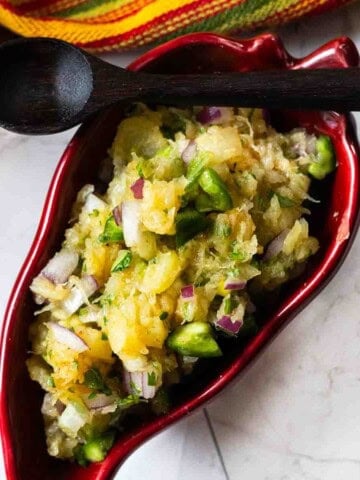
    Jalapeno pineapple salsa in a red chile shaped serving bowl.

    A great combo of sweet and spicy, this Jalapeno Pineapple Salsa is my go-to fruit salsa recipe to serve as a topping for grilled meats. It’s also a great stand alone salsa and a candidate for serving with tortilla chips as a dip. Using canned crushed pineapple, this Southwestern Salsa recipe is ready in 10 minutes.

    Jalapeno pineapple salsa in a red chile shaped bowl.

    What Is Jalapeno Pineapple Salsa?

    • A fresh, sweet-and-spicy salsa made with pineapple, jalapeños, vinegar, and simple add-ins.
    • This version uses canned crushed pineapple for convenience and consistent flavor.
    • With no cooking time required, it’s ready in minutes and works well as a dip, taco topper or grilled meat garnish.

    Why You'll Love This Recipe

    • Uses pantry-friendly canned pineapple (no chopping a whole fruit).
    • Balanced heat that’s easy to customize the spicy level.
    • Quick prep (10 minutes or less).
    • Versatile: tacos, grilled chicken, shrimp kabobs, use as a dip for tortilla chips.
    • Naturally gluten-free and dairy-free.

    Ingredients You’ll Need

    Ingredients to make Jalapeno Pineapple Salsa.
    • Canned crushed pineapple – drained
    • Jalapeno Pepper
    • Red onion
    • Fresh cilantro
    • New Mexico Red Chile Powder, Chimayo preferred.
    • Cilantro
    • Kosher Salt and Sugar
    • Seasoned Rice Vinegar: I like using rice vinegar due to it’s mild, sweet and savory flavor profile. It’s less acidic than white vinegar. I suggest apple cider vinegar as a substitute.

    Optional Add Ins and Substitutions

    • Lime Juice: Swap out lime juice for the vinegar.
    • Honey works well to substitute for sugar.
    • Sweet onion can be substituted for red onion.
    • Add red bell pepper for color.
    • Fine diced avocado is always welcome in most salsas.
    • Diced fresh garlic or garlic powder is a welcome flavor booster.

    Why Use Canned Crushed Pineapple?

    • Saves prep time, no tedious peeling or coring a fresh pineapple.
    • Consistent sweetness year-round.
    • It’s softer texture blends beautifully into salsa.
    • Holds up well for make-ahead salsa recipes.

    How To Make Jalapeno Pineapple Salsa (Step by Step)

    Step 1 how to make jalapeno pineapple salsa.
    1. Step 1: Chop onion, jalapeno pepper and cilantro. Drain crushed pineapple and add all ingredients to a large bowl.
    Step 2, how to make jalapeno pineapple salsa.
    1. Step 2: Use a spoon to stir and combine ingredients.

    How Spicy Is It?

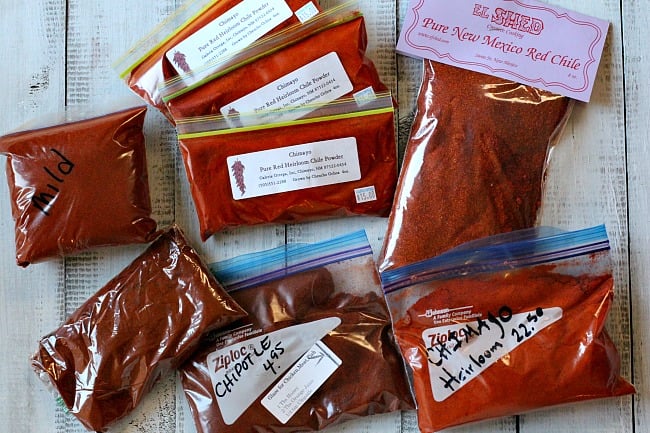
    • That’s the beauty of working with New Mexico Red Chile Powder. You can purchase mild, medium or hot to accommodate your heat level tolerance.
    • Jalapeno peppers do carry some heat. To tame the spice, cut off the top of the pepper and use the handle of a spoon or fork to scrape out the seeds and veins. That’s where the heat lies. Removing them will remove a lot of the hot spice.

    Tips For Best Flavor

    • To avoid watery salsa, drain the pineapple thoroughly, in a colander in the sink. I even like to use a paper towel to pat the top of it as it drains to remove excess moisture.
    • Let it sit 10-15 minutes before serving.
    • Practice those knife skills. Uniform chopping of the onion and jalapeno pepper will yield even and balanced bites for a better flavor experience.

    Pro Tip Knife Skills: Always keep the hand that’s gripping the knife clean and dry. A wet hand could cause slips resulting in nicks or worse a nasty slice on your hand. 

    Serving Ideas

    As I mentioned above, this is my go-to recipe for my Grilled Maple Syrup Chicken Kabobs. Here are some more ideas:

    • Spoon over grilled chicken or grilled shrimp.
    • Use as a topping for Fish Tacos.
    • Serve with tortilla chips as an appetizer.
    • Pair with pork tenderloin. And the flavor is mild enough to compliment Pan Seared Veal Pan Seared Veal Loin Chops Recipe, Simply Seasoned, Perfectly TenderLoin Chops.
    • Substute this as a topping for my grilled ham steak, instead of the brown sugar glaze.
    • Spoon over a simple grilled flank steak.
    • Use as a topping for these Shrimp Avocado Quesadillas.

    How To Store Jalapeno Pineapple Salsa

    Store in an airtight container in the refrigerator for up to 4 days. Unfortunately this recipe is not a good candidate for freezing.

    FAQ’s

    Can You Use Canned Pineapple to Make Salsa?

    Yes, canned crushed pineapple works great and saves time while delivering consistent sweetness.

    How Do You Keep Pineapple Salsa From Being Watery?

    Drain, drain and drain. Place a colander in the sink and let the canned pineapple drain for about 10 minutes. Pressing the top of the draining pineapple with a paper towel will also help release the moisture through the colander and dry the top of the pineapple

    Explore More Southwestern Salsa Recipes

    • spicy peach salsa recipe served with tortilla chips
      Chipotle Peach Salsa Recipe
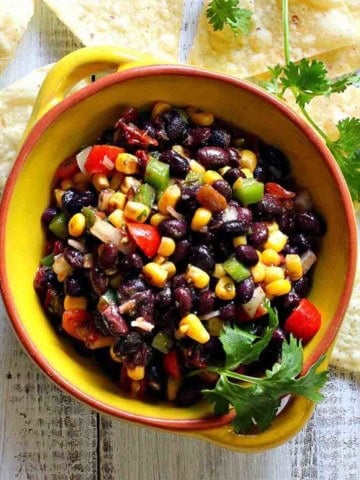
    • Black bean corn salsa dip in a yellow bowl.
      Smoky Black Bean And Corn Salsa Dip
    • Homemade Roasted Tomatillo Salsa Verde
    • Salsa Macha, Mexican chile oil on a white plate.
      Salsa Macha Recipe, Mexican Chile Oil

    And don’t miss the most popular salsa recipe on my site for Homemade Mexican Restaurant Style Salsa. A must have recipe for anyone serious about Mexican food. And check out my category for Southwestern Mexican Food Recipes. You’ll find lots of recipes to spice up your meal plans.

    If you liked this recipe, please leave a star ⭐⭐⭐⭐⭐ rating in the recipe card below and leave a comment. I always appreciate your feedback and hearing how everything went.

    And, don’t forget to subscribe to my newsletter for more delicious recipes and cooking tips. Make it a delicious day … every day.

    Jalapeno pineapple salsa in a red chile shaped serving bowl.
    Print Recipe
    No ratings yet

    Sweet Spicy Jalapeno Pineapple Salsa (using canned pineapple)

    A great combo of sweet and spicy, this is my go-to recipe to serve as a topping for my simple grilled meats. It's also a great stand alone salsa and a great candidate for serving with tortilla chips as a dip. Using canned crushed pineapple, this Southwestern salsa recipe is ready in 10 minutes.
    Prep Time10 minutes mins
    Total Time10 minutes mins
    Course: Appetizer Recipes
    Cuisine: Southwestern
    Servings: 3 cups
    Calories: 155kcal
    Author: Lea Ann Brown

    Ingredients

    • 20 ounce Canned crushed pineapple

      well drained

    • 2 medium Jalapeno peppers deseeded, deveined and minced
    • ½ cup Fresh cilantro chopped
    • 1 cup Red Onion chopped
    • 1 Tablespoon Rice Wine Vinegar or White Vinegar
    • 1 Tablespoon Sugar
    • ½ teaspoon Kosher Salt
    • ¼ to ½ teaspoon New Mexico Red Chile Powder Chimayo Chile Powder preferred

    Instructions

    • Chop onion, jalapeno pepper and cilantro. Drain crushed pineapple and add all ingredients to a large bowl.
    • Use a spoon to stir and combine ingredients.

    Notes

    Tips For Success
    • To avoid watery salsa, drain the pineapple thoroughly, in a colander in the sink. I even like to use a paper towel to pat the top of it as it drains to remove excess moisture.
    • Let it sit 10-15 minutes before serving.
    • Practice those knife skills. Uniform chopping of the onion and jalapeno pepper will yield even and balanced bites for a better flavor experience.

    Nutrition

    Calories: 155kcal | Carbohydrates: 39g | Protein: 2g | Fat: 0.3g | Saturated Fat: 0.1g | Polyunsaturated Fat: 0.1g | Monounsaturated Fat: 0.05g | Sodium: 396mg | Potassium: 353mg | Fiber: 4g | Sugar: 34g | Vitamin A: 426IU | Vitamin C: 34mg | Calcium: 47mg | Iron: 1mg
    Next Page »

    I'm Lea Ann

    Welcome to my Colorado kitchen. If you're a fan of rustic homestyle cuisine, you've come to the right place. I'm a Culinary School Grad with a passion to inspire you to cook as often as you can. I offer reliable, approachable and easy to follow recipes. So grab that skillet and let's cook.

    More about me
    Graphic for Hatch Chile Recipes

    Reader Favorites

    • Super Moist Cheesy Cornbread with Creamed Corn
    • Flemings steakhouse macaroni and cheese in a white bowl.
      Flemings Steakhouse Mac and Cheese
    • Layered Mexican Casserole in a 9 x 13 pyrex dish with ground beef and corn tortillas, garnished with tomatoes and cilantro
      Mexican Casserole with Ground Beef and Corn Tortillas
    • Beef Tagliata, thin sliced flank steak served over arugula and cherry tomatoes.
      Beef Tagliata (Italian Steak)
    • Ham and cheese quesadilla made with corn tortillas and topped with a fried egg.
      Crispy Ham and Cheese Corn Tortilla Quesadillas
    • Spinach chicken mushroom skillet dinner.
      Chicken Mushroom and Spinach Skillet

    Cozy Winter Comfort Food

    • Chicken Fajita Pasta in a large skillet.
      Creamy Chicken Fajita Pasta
    • Spicy meatloaf made with sofrito.
      Spicy Sofrito Meatloaf, The Secret Ingredient For Ultimate Flavor
    • Hamburger potato soup served in an orange bowl.
      Old Fashioned Hamburger Potato Soup
    • Pork tenderloin tacos with guajillo chile sauce.
      Pork Tenderloin Tacos In Chile Guajillo Red Sauce

    Footer

    • Contact
    • About
    • Privacy Policy
    • Accessibility Statement
    • ↑ back to top

    Copyright © 2024 Cooking on the Ranch • Powered by Feast+

    Rate This Recipe

    Your vote:


    A rating is required
    A name is required
    An email is required