
There are a lot of Mexican and Southwestern recipes that come out of my kitchen and when searching my recipes, you’ve more than likely noticed the words chile powder. I use a lot of it, and here’s what you need to know.
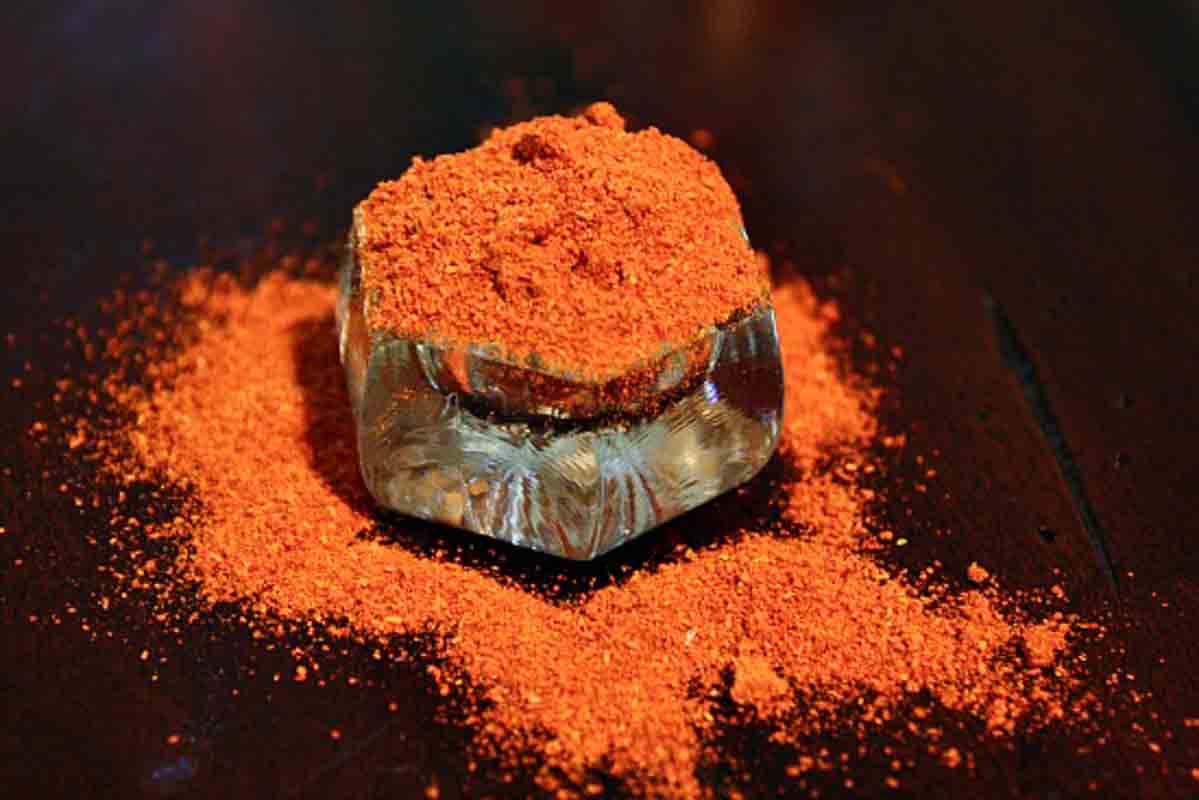
Chile Powder
I use chile powder in my recipes as often as I use salt and pepper. It’s colorful, flavorful and adds a deep warmth that simply can’t be replicated. We travel to New Mexico frequently and I stockpile as many different varieties that I think I can use before they lose their charm.
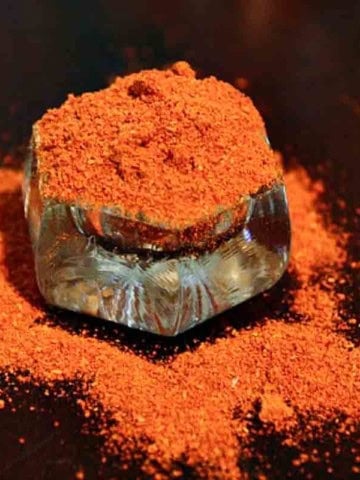
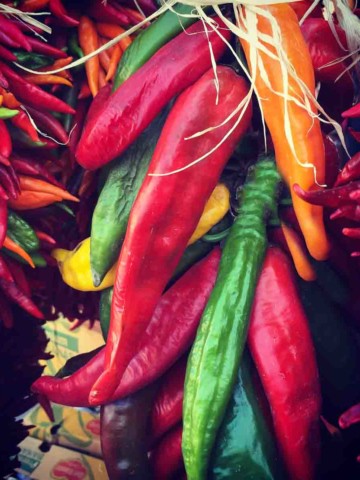
Chile powder is a single spice powder ground from dried chile (capsicum) peppers. It’s not the same as chili (with an ‘i”) powder, or chili seasoning. When you look at the ingredients of chile powder, you should only see “chile peppers”, “dried red chile peppers” or “dried cayenne peppers”. Very seldom will you see a second ingredient unless it's another chile pepper.
Jump to:
Types Of Chile Powders
- Ancho (dried red poblanos),
- Serrano
- Habanero
- Paprika
- Cayenne (I like to reserve for Southern style recipes)
- Anaheim
- Mulato (dried brown poblano) are all chile peppers that can be found in chile powder form.
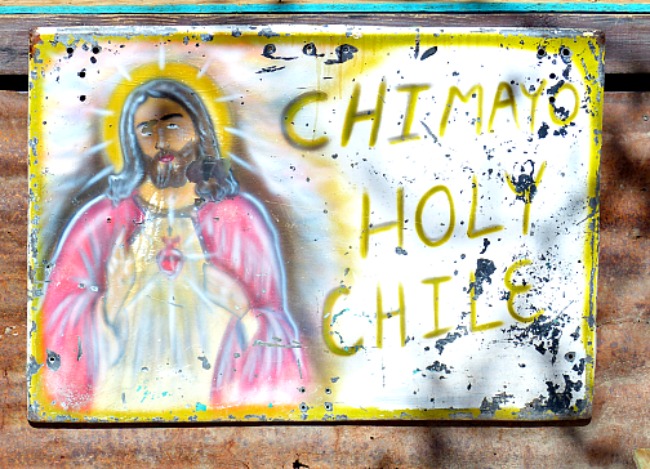
- And My Favorite: New Mexico Chile is Chimayo Chile Powder. The benefit of Chimayo is it’s wonderful flavor. The downside, it’s hard to find.
The only one I don’t use a lot of, is Habanero, simply due to it’s spicy heat.
You can purchase green chile powders, or red chile powders.
Kinds of Smoked Chile Powders
- Chipotle, which is a ground smoked jalapeno pepper and readily found at your local grocer.
- Smoked serrano
- Smoked paprikas
- Or unique hybrids such as murupi amerela, from Brazil and urfa biber, a pepper from Turkey.
So many chile pepper varieties to experiment with.
Color Variations
The different colors of chile powders could be due to the type of chile or the amount of seeds that are included when grinding the chile. The more seeds that are added to the grinding process, the lighter the color of the powder.
How Is Chile Powder Made?
The Basic Process
- Harvest: Chile Peppers are allowed to mature on the plant until they reach their desired color and flavor profile.
- Drying: The peppers are dried to remove moisture and prevent spoilage. Methods include, sun drying, air drying, commercial dehydrators or smoking like for chipotle chile powder. Once fully dried, the peppers become brittle and lightweight.
- Stems and Seeds: Most reputable producers remove the stems before grinding. Seeds may or not be removed. Removing seeds creates a smoother flavor and darker color. Seeds are left in for added heat and a lighter colored powder. This is one reason chile powders can vary so much in appearance and pungency.
- Grinding into powder: The dried chile peppers are ground using commercial mills or grinders until they reach the desired consistency. Results can range from coarse chile flakes, medium ground chile, or fine chile powder.
- Packaging: The powder is packaged and protected from light, heat and moisture to preserve flavor, color and integrity.
Why Different Chile Powders Taste Different
The flavor depends on:
- The chile variety
- Growing conditions (terroir)
- Whether seeds were included
- Whether the peppers were smoked
- The region where they were grown
For example:
- Chimayo chile powder tends to be sweet, earthy, and moderately hot.
- New Mexico red chile powder is often rich and slightly fruity.
- Ancho powder is mild with raisin-like notes.
- Chipotle powder is smoky and robust.
Substituting Chile Powders
Substituting one chile powder for another is usually simple, however at times it can be tricky. For example, cayenne and habanero powders are much hotter than most chile powders, so use these sparingly.
Most chile powders can be substituted equally. For example, if you see one of my recipes that calls for one teaspoon of New Mexico red chile powder, you could always substitute a serrano, aleppo, or ancho powder in equal amounts.
I don’t recommend substituting chile powder with chili powder seasoning. The only time to use chili powder seasoning is when making a Texas type chili soup.
Cooking With Chile Powder, How To Use It
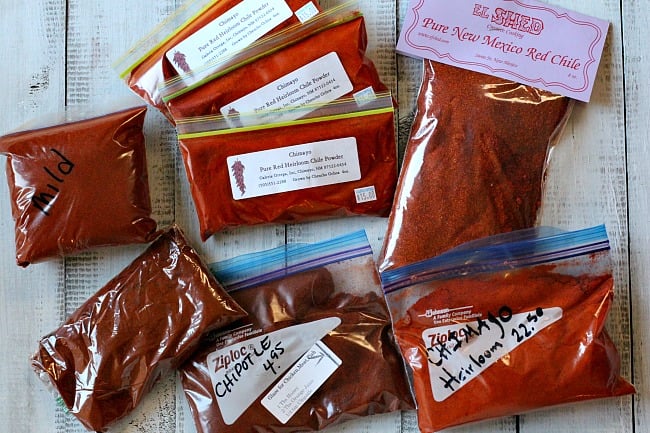
As far as cooking with chile powders, I like to buy as many packages as I can and do taste tests. I stock a healthy supply of both green chile powders and red chile powders in my pantry. I live close enough to New Mexico to be able to buy it locally. I sprinkle in on scrambled eggs, fried potatoes, fruit and beyond. But here is a good short list of traditional ways to use chile powder.
- Red Chile Sauce Made From Powder
- Carne Adovada
- Sprinkled on Southwest Sauteed Mixed Vegetables
- Use it to season New Mexico style Cowboy Chili and my Ground Bison Chili with Chipotle Chiles.
- Restaurant Style Salsa or any type of salsa like this Black Bean and Corn Salsa.
- And the most popular, my Colorado Green Chile Recipe.
Chile Powder vs. Chili Powder Seasoning
When we speak of “chili powder seasoning” with an “i”, we’re referring to a blend of seasonings used to make chili style soups, like my recipe for Cowboy Chili that traditionally combine ground beef, beans and tomatoes.
Common Spices Used to Make Chili Seasonings
Most commercial chili seasonings (or chili powder blends) contain a combination of chile peppers plus savory spices that are commonly used in chili con carne and Tex-Mex dishes.
Typical ingredients include:
- Ground chile peppers (often ancho, cayenne, paprika, or a blend)
- Cumin
- Garlic powder
- Onion powder
- Oregano
- Paprika
- Salt
- Black pepper
Some blends may also include:
- Red pepper flakes
- Coriander
- Smoked paprika
- Chipotle powder
- Cocoa powder (less common)
- Sugar
- Cornstarch or anti-caking agents
Because it is a spice mix, each brand of chili powder has its own flavor profile and all of them are quite different from a pure single chile, chile powder.
A Simple Comparison
Chile Powder
- Dried chile peppers only
- Single ingredient (or occasionally a blend of chile peppers)
- Examples: New Mexico red chile powder, ancho powder, chipotle powder
Chili Seasoning (Chili Powder)
- Chile powder plus spices
- Usually contains cumin, garlic, onion, oregano, and paprika
- Designed to season chili con carne and similar dishes
Can You Substitute Chili Seasoning for Chile Powder?
The spelling of these spices have a significant distinction in my recipes. Substituting one for the other will change the flavor outcome to something you totally unexpected. If you use the wrong spice mix.
If a recipe calls for 1 tablespoon New Mexico red chile powder and you substitute 1 tablespoon chili powder seasoning, the flavor will change significantly. The cumin, garlic, and oregano in the chili seasoning can overwhelm the intended chile powder flavor.
This distinction is especially important in Southwestern and New Mexican cooking, where the flavor of the chile itself is often the star ingredient rather than just one component of a spice blend.
| Chile Powder | Chili Powder (Seasoning) |
|---|---|
| Dried chile peppers | Chile powder |
| No added spices | Cumin |
| Pure chile flavor | Garlic powder |
| Heat varies by pepper | Onion powder |
| Used in Southwestern sauces and stews | Oregano |
| Paprika | |
| Salt (sometimes) |
Whether you’re cooking authentic Southwestern dishes, experimenting with regional chile powders, or simply trying to understand the difference between chile powder and chili powder, knowing what’s in your spice jar can make a big difference in the final flavor of a recipe. Both have their place in the kitchen, but they are not always interchangeable. From New Mexico red chile powder and Chimayó chile powder to ancho and chipotle powders, exploring the world of chile powders is a delicious way to add depth, heat, and authentic Southwestern flavor to your cooking.
If you enjoy Southwestern and Mexican Recipes, here are some more resource articles you might be interested in:
- Chile vs. Chili
- Pueblo Chile Peppers vs. Hatch Chile Peppers
- Chimayo Chile Peppers, What Makes Them So Special?
- Hatch Chile Recipes, Recipe Roundup

Why Trust My Recipes? I am a Culinary School Graduate and a lifelong student of home cooking. I hope to inspire you try to cook as often as you can. I’ve been cooking for 50 years, and my recipes are tried and true tested and tested and then tested again before published. To read more take a look at my About Page.
Good to know Lea Ann-If it has more than one ingredient then it’s not authentic, and I will move along.
Velva