
For generations, Colorado and New Mexico have debated which state grows the better chile pepper. On one side is the famous Hatch chile from New Mexico’s Hatch Valley. On the other is Colorado’s Pueblo chile, prized for its thick flesh, bold flavor, and impressive heat. While both peppers share a common heritage, differences in growing conditions, flavor, size, and heat have created a friendly rivalry that continues every chile harvest season. Let’s take a closer look at what sets Pueblo chile peppers and Hatch chile peppers apart.
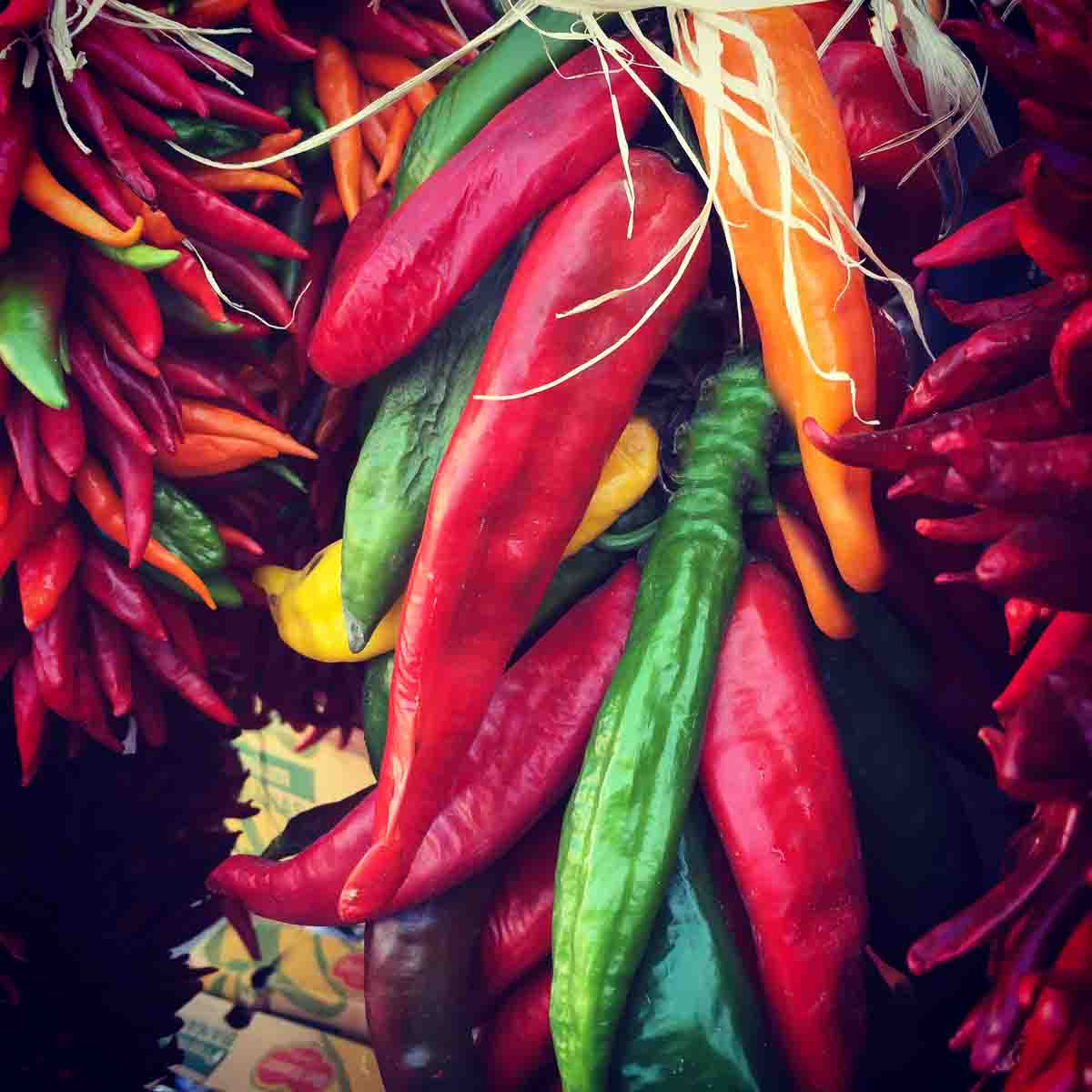
Short Answer
While Pueblo and Hatch chiles share a common heritage, growing conditions, flavor profiles, heat levels, and regional traditions have created two distinct peppers that proudly represent their home states.
My home state happens to be Colorado, and I must say I love what both peppers have to offer.
- Colorado: Compared to New Mexico Hatch Chile, Pueblo Chiles are bigger, meatier and hotter. And I'm here to say, has a more notable chile flavor. And even when labeled “mild” they’re hotter than Hatch chile peppers labeled the same.
- New Mexico: Even though chile peppers are grown practically all over the state of New Mexico, they’re famous for their Hatch Chile Peppers. For a chile to be called a Hatch chile, it must be grown in the Hatch Valley in New Mexico about 500 miles to the South of Pueblo, Colorado. Each state believes that their unique growing conditions yield the better tasting pepper.
- And The Winner Is …. As far as declaring a winner, it all comes down to personal taste. In other words, a debate that may never be laid to rest.
My experience: After cooking with both peppers for years, I’ve found Pueblo chiles generally have thicker flesh and a more pronounced chile flavor.
Jump to:
- Our Chile Pepper Obsession
- Colorado Chile Peppers, The Pueblo Chile Pepper
- What Are Hatch Chile Peppers?
- Pueblo Chiles vs. Hatch Chile Peppers, Key Differences
- Similarities Between Pueblo and Hatch Chiles
- Which Pepper Is Better?
- Best Ways to Use Pueblo and Hatch Chiles
- When Is Chile Season?
- How To Clean and Prep Roasted Green Chile Peppers
- Storage, Freezing and Cleaning
- Pueblo Chile Culture vs. Hatch Chile Culture
- Colorado and New Mexico Chile Pepper FAQ’s
- In Conclusion
Our Chile Pepper Obsession
Is it normal to get so obsessed with a chile pepper? For us here in Colorado, it's completely normal because we happen to have neighbors to the South that spoil us with these famous Hatch Chile Peppers. And the Southern part of Colorado churns out acres and acres of chile peppers every year.
Each Fall, we celebrate their arrival. Parking lots and roadside stands fire up their chile roasting drums and the aromas of roasting chiles fill the air.
We evangelize and we obsess. We talk constantly about them, we dig out our Colorado Green Chili Recipe, and we dig out every recipe we own that uses chile peppers.
And we stock our freezers with baggies full of the roasted chile peppers. But what’s the difference between Colorado Pueblo Peppers and New Mexico Chile peppers?
I’ve been buying both for many many years, and the answer is: a lot, let’s take a look
Colorado Chile Peppers, The Pueblo Chile Pepper
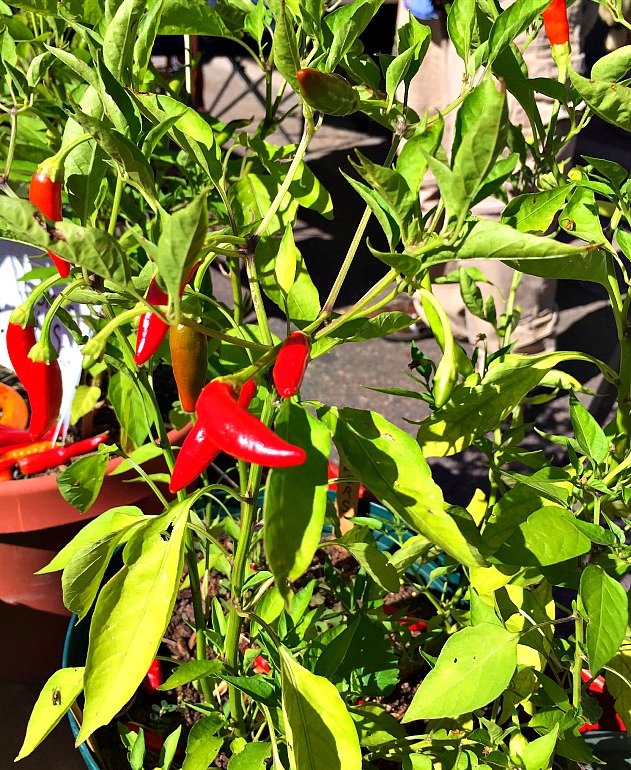
What Are Colorado Pueblo Chile Peppers?
Most of the chile pepper crops grown in Colorado come from the Southern part of our state, East of Pueblo in the fertile agricultural soils of the Arkansas Valley.
The Mosco chile (now called the Pueblo Chile) is a variety of a Mirasol chile. Traditional mirasol chiles are smaller with thinner skin. The Mosco was specifically bread to be larger, meatier and have thicker walls. Which makes it easier to roast and peel without falling apart.
The name mirasol means "looking at the sun". Both mosco and original mirasol peppers grow reaching for the sun rather than hanging down from the plant. And in dried form are called Guajillo peppers. This dried pepper pod is easy to to find and commonly used in Mexican And Southwest Recipes. The photo you see above is one I took of a Pueblo Pepper plant.
The growing conditions in Southeastern Colorado make for some of the best chile available. Hot, dry, sunny summer days, combined with our rich soils and pure Colorado Rocky Mountain water yield some of the hottest and most flavorful chilies.
Are Pueblo Chile Peppers Hot?
The heat of the Mosco (Pueblo) chile sets it apart from the Hatch chile, rating 5,000 to 20,000 units on the Scoville scale. Hatch peppers rate at 500 to 1,000 units. Pueblo chilies are comparable in heat to moderate jalapeno peppers, and are usually a little warmer than cayenne and can be compared to the heat of a jalapeno pepper.
When I purchase Pueblo chile peppers, I’m careful to stick with mild or medium.
What Are Hatch Chile Peppers?
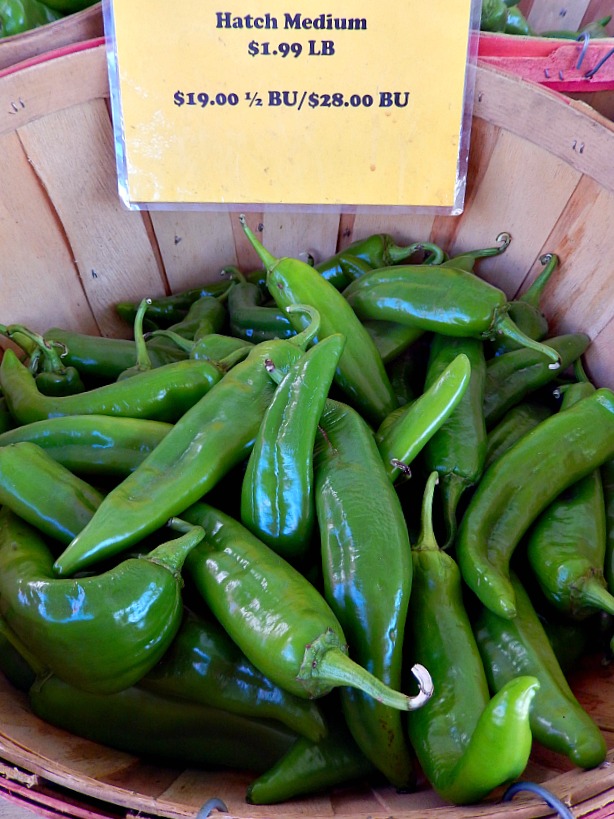
Hatch chile peppers are grown in the Hatch Valley region of southern New Mexico, often referred to as the “Chile Capital of the World.”
Unlike Pueblo chiles, Hatch is not a single pepper variety. The term refers to several New Mexico chile cultivars grown within the Hatch Valley. Popular varieties include Big Jim, Sandia, NuMex Heritage, and Barker’s Hot (similar to a habanero).
The unique combination of soil, climate, elevation, and growing conditions in the Hatch Valley contributes to the peppers’ distinctive flavor.
If chile peppers are simply labeled as New Mexico Chile Peppers, they can come from any part of the state. I would compare the Hatch Valley and Chile Peppers to Napa Valley and their wine. It’s all about the terrior.
If you have ever lived in or visited New Mexico, you likely know that New Mexico chile peppers are part of the rich culture and heritage that the state is famous for. And of course they're famous for their Hatch Green Chile Recipes.
Are Hatch Chile Peppers Hot?
Hatch New Mexico chile peppers vary in their level of heat, but the spiciness of Hatch green chili varieties is often compared to Anaheim chilies. They have a great balance of smoky and sweet flavors.
Pueblo Chiles vs. Hatch Chile Peppers, Key Differences
Growing Regions:
The obvious difference is where they’re grown.
- Pueblo chiles are cultivated in Colorado’s Arkansas River Valley.
- Hatch chiles are grown in New Mexico’s Hatch Valley approximately 500 miles to the South.
Colorado growers and New Mexico growers of each argue that their region’s climate and soil produce superior flavor.
Flavor
This is where the debate gets interesting.
- Pueblo chile peppers tend to have a deeper, earthier flavor with a touch of natural sweetness. I personally think they having a more robust chile flavor.
- Hatch chiles often deliver a brighter, slightly fruitier flavor profile with smoky undertones once roasted.
Neither is objectively better. It comes down to personal preference and how you plan to use them.
Heat Levels
Heat varies widely among both peppers depending on the variety and growing conditions. What I’ve found from testing Hatch and Pueblo side by side and labeled as the same heat level:
- Pueblo chiles often deliver a stronger, more immediate heat.
- Hatch chiles range from mild to extremely hot depending on the cultivar.
Many chile enthusiasts find that Pueblo chiles provide a bolder heat that lingers longer on the palate. Personally, I would never purchase a Pueblo chile designated as anything stronger than medium heat.
Appearance
Both peppers are long, green chiles that resemble Anaheim peppers.
Pueblo chiles are typically:
- Slightly thicker-walled
- Darker green
- Broader at the shoulder
Hatch chiles often appear:
- Longer and more tapered
- Lighter green
- Slightly thinner-walled
Visual differences can be subtle and difficult to distinguish without experience.
Roasting Characteristics
Both peppers are excellent for roasting.
- The thick flesh of Pueblo chiles develops a rich, smoky flavor after roasting while retaining plenty of texture.
- Hatch chiles roast beautifully as well, producing the signature smoky aroma that fills parking lots and farmers markets throughout New Mexico every summer.
When chile peppers arrive in our markets, I buy a half bushel each of Pueblo and Hatch.
Similarities Between Pueblo and Hatch Chiles
Despite the rivalry, these peppers share a lot in common. Both:
- Belong to the species Capsicum annuum
- Are harvested green and mature to red
- Are commonly roasted before use
- Work well in sauces, stews, soups, enchiladas, and burgers
- Trace their lineage to New Mexico chile breeding programs
In fact, when I attended the Pueblo Chile Festival, a roaster told me Pueblo Mirasol peppers were developed from New Mexico chile genetics before evolving into a pepper suited to Colorado growing conditions.
Which Pepper Is Better?
The answer depends on what you value most. I happen to love them both.
Choose Pueblo chiles if you enjoy:
- Rich earthy flavor
- Slightly thicker flesh
- Bold Colorado-grown character
- Consistent medium-to-hot heat
Choose Hatch chiles if you prefer:
- Bright chile flavor
- A wider range of heat levels
- Traditional New Mexico chile recipes
I happily use both varities depending on the dish.
Best Ways to Use Pueblo and Hatch Chiles
Both peppers are interchangeable in Southwestern cooking.
Try them in:
- Green chile sauce
- Colorado pork green chile – definitely use Hatch Peppers here.
- Breakfast burrito With Green Chile Sauce
- Blue Corn Enchiladas, Another New Mexico Specialty – stick with Hatch.
- Green Chile Cheeseburgers, A New Mexico invention. Use Hatch
- Green Chile Mac and Cheese
- White Queso dip This white queso recipe most certainly benefit from a meaty hot Pueblo Chile.
- Cheesy Cornbread My recipe calls for jalapeno peppers, and with similar heat level, Pueblo chiles would be a great substitute here.
- Spicy Soups like my recipe for Chicken and Cabbage Soups and Green Chile Stew.
Roasting and peeling either pepper before cooking brings out their best flavor.
When Is Chile Season?
Whether you’re looking to purchase Colorado Pueblo Peppers or New Mexico Peppers, the season typically runs late summer, early August to late September. Depending on weather conditions, harvest in New Mexico can start as early as mid-July and with both locations, continue until a good freeze.

Chile roasters and their chile roasting barrels are a common site in both Colorado and New Mexico. And the aromas that fill the air are simply intoxicating. Every year we take a trip to Brighton, east of Denver to purchase our chiles. Both Pueblo and Hatch are available.
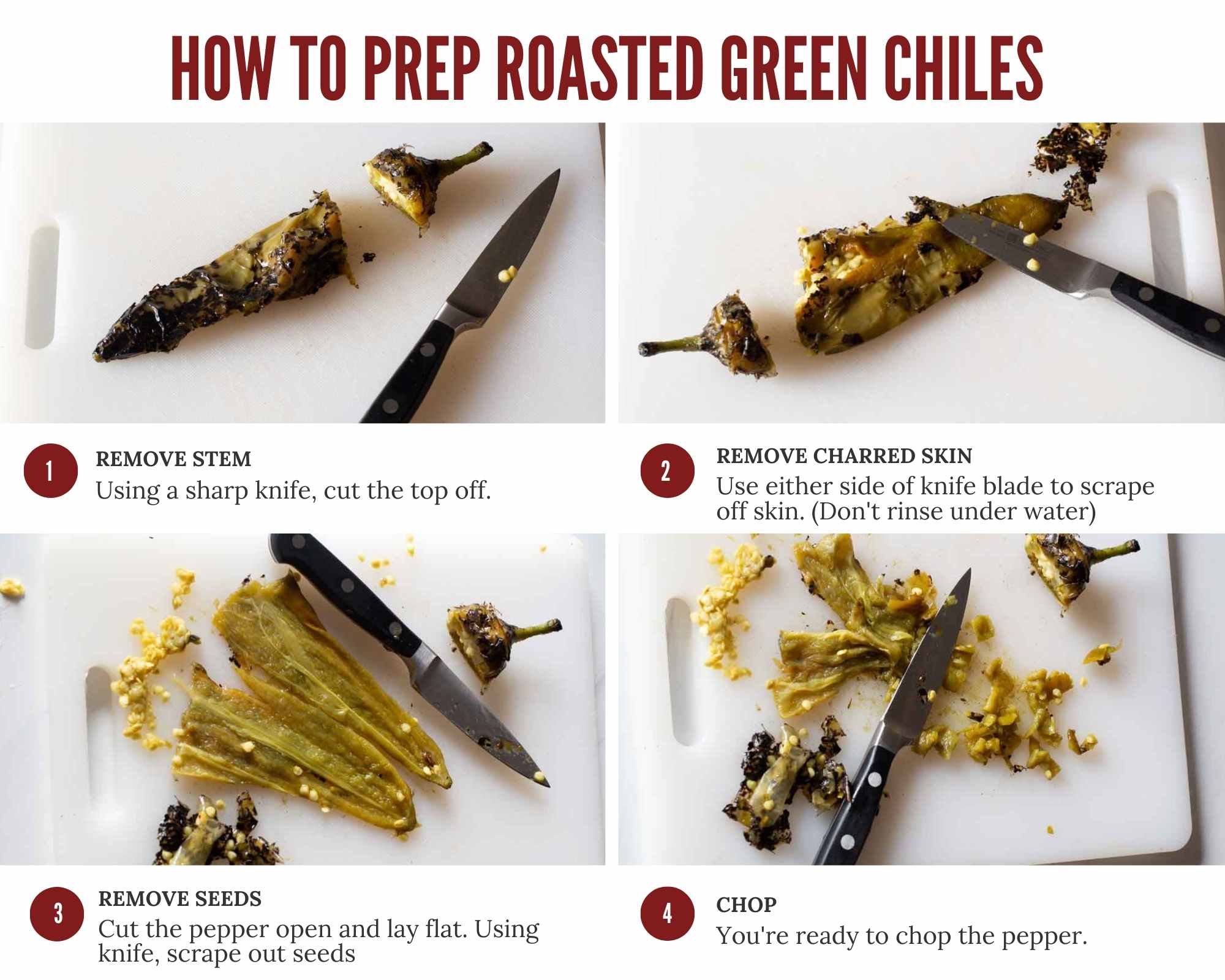
How To Clean and Prep Roasted Green Chile Peppers
Storage, Freezing and Cleaning
A stash of chile peppers in your freezer is a beautiful thing. I always purchase a large amount of roasted whole chile peppers. A half bushel of Hatch Chile Peppers and an equal amount of Pueblo roasted chile peppers. Here’s what I do with them.
- When I get home, I divide them into individual zip-lock style freezer bags, eight per package and then seal and freeze them after using my beloved vacuum food sealer machine. I don’t clean them, I don’t remove the seeds or stems. I clean and prep them as I use them.
- How Long Do Hatch Chiles Last In The Freezer? Popped into the freezer they keep for months and retain their flavor beautifully.
- Thawing: Thaw a package in the refrigerator overnight.
- Cleaning: Once thawed, cut off the tops, remove seeds and most of the charred skin. I like to leave a few small chunks of that smoky skin for extra flavor.
- Storage: Don’t need to use 8 chiles at a time? Just put the 8-pack of chile in the microwave for 1 minute. After 1 minute, pull out the amount of chiles that you need and put the rest back in the freezer.
Pro Tip: I’ve had many chile roaster tell me: when cleaning roasted chile peppers, don't run them under water to remove the charred skin. Doing so will wash away most of that smoky flavor that comes from the roasting process. Simply remove the burnt skin with your hands. And leaving a few small little patches of that smoky skin will simply add flavor to any green chile recipe.
Pueblo Chile Culture vs. Hatch Chile Culture
Both Colorado and and New Mexico celebrate chile pepper harvest in a big way:
Pueblo Chile & Frijoles Festival
The annual Pueblo Chile & Frijoles Festival celebrates Colorado’s famous Mirasol chile and attracts tens of thousands of visitors each September. The festival features chile roasting, cooking competitions, live entertainment, local growers, and vendors.
I been honored to be chosen to be a judge in the cooking competitions – what a great time.
Hatch Chile Festival
Held each Labor Day weekend, the Hatch Chile Festival celebrates New Mexico’s chile harvest with roasting demonstrations, parades, contests, and vendors from across the Southwest. The event has become one of New Mexico’s signature food festivals.
Colorado and New Mexico Chile Pepper FAQ’s
Every Pueblo chile I’ve ever had, compared to a similarly heat labeled Hatch pepper has been hotter. Heat varies depending on the variety, growing season, and maturity of the pepper. You can purchase each variety labeled mild, medium, hot and extra hot.
Yes. While there are flavor differences, the peppers can generally be substituted in most recipes. Keeping in mind you’ll find more heat in recipes using Pueblo Chile Peppers.
New Mexico is famous for it’s strong chile culture. Hatch chiles gained national recognition through decades of commercial production and marketing.
During harvest season, Pueblo chiles are available at Colorado farm stands, farmers markets, grocery stores, and online or in person from Pueblo growers. Musso Farms is a good example.
Fresh Hatch chiles are widely available during late summer at grocery stores throughout the Southwest, specialty retailers, and online chile suppliers. A good resource example is The Hatch Chile Store. I’ve ordered frozen roasted, chopped Hatch Chile Peppers from them many times. Good quality and reliable shipping.
In Conclusion
The Pueblo chile pepper versus Hatch chile pepper debate isn’t likely to end anytime soon. Both peppers have passionate fans, rich agricultural histories, and unmistakable Southwestern character. Whether you’re team Colorado or team New Mexico, one thing is certain: when roasted over an open flame, both peppers deliver the smoky, bold flavor that makes chile season one of the best times of the year.
If you enjoy Southwestern and Mexican Recipes, here are some more resource articles you might be interested in:
- Chile vs. Chili
- What Is Chile Powder?
- Chimayo Chile Peppers, What Makes Them So Special?
- Hatch Chile Recipes, Recipe Roundup
Why Trust My Recipes? I am a Culinary School Graduate and a lifelong student of home cooking. I hope to inspire you try to cook as often as you can. I’ve been cooking for 50 years, and my recipes are tried and true tested and tested and then tested again before published. To read more take a look at my About Page.
Love it! I have experienced the Hatch Chile pepper but not the Pueblo Chile pepper. I know Chile peppers are serious!
Velva
Of course, you would pick the Colorado Chile, you’re from Colorado