

New Mexican Red Chile Sauce is the backbone of countless classic Southwestern dishes, from stacked enchiladas to Carne Adovada and smothered burritos. Unlike Tex-Mex or generic "chili sauce," this New Mexican red chile is built on using dried red chile pods, simple ingredients and technique, rather than using tomatoes or heavy spices.
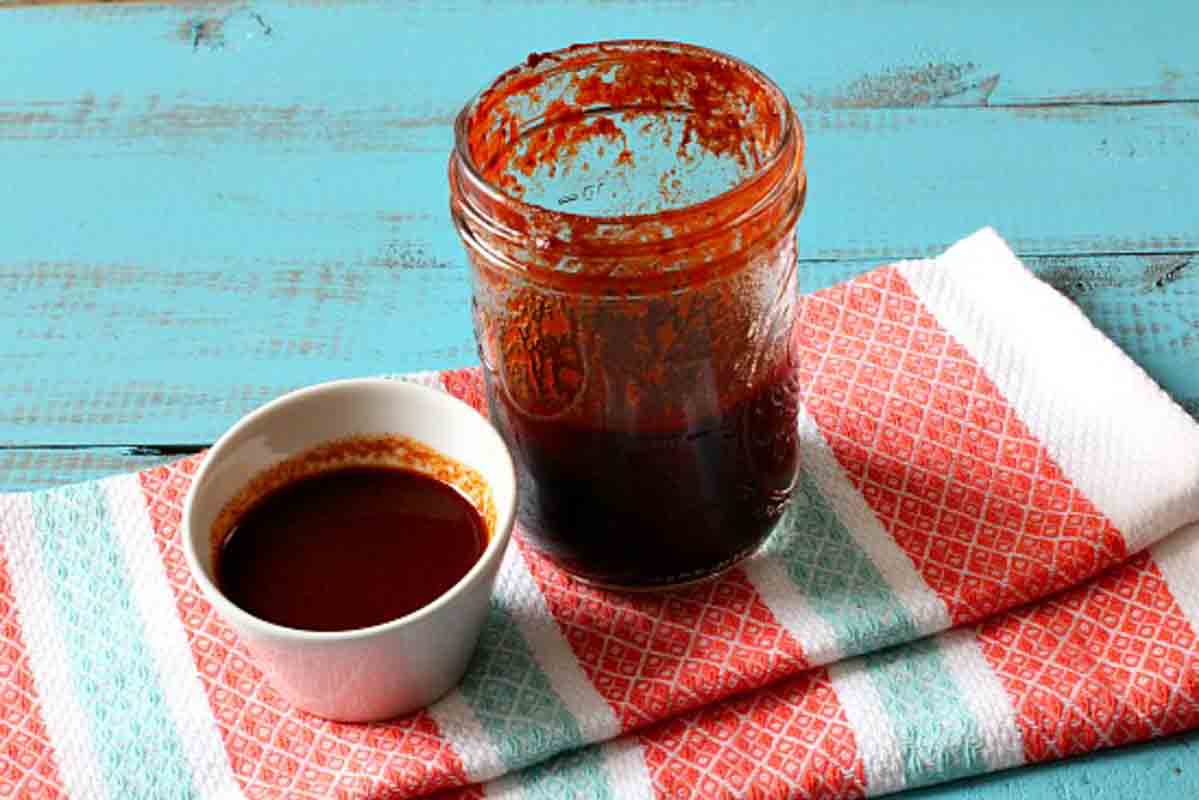
The recipe you’ll find in this post is my go-to for sauce for tamales, but will also work very well for Stacked Enchiladas and burritos.
This page is your go-to guide for understanding what New Mexican red chile sauce is, how it's made, and how to use it, with links to detailed recipes and variations so you can cook with confidence.
How I Learned To Make Red Chile Sauce
I’ll never forget when neighbor Miguel, popped up over the fence and offered us fresh grilled Carne Asada. Grilled steak that was simply placed in a warmed flour tortilla alongside a grilled jalapeno. And that’s when the food conversation began.
From there, Rosa invited us to her homemade tamale demonstrations, where we learned to make her signature red chile sauce. This sauce has since become a favorite in our kitchen, blending beautifully with shredded pork or adding depth to enchiladas, huevos rancheros, and more.
Which is where I learned to make this homemade Red Chile Sauce she uses for Tamales.
Best Dried Chile Peppers For New Mexico Red Chile Sauce
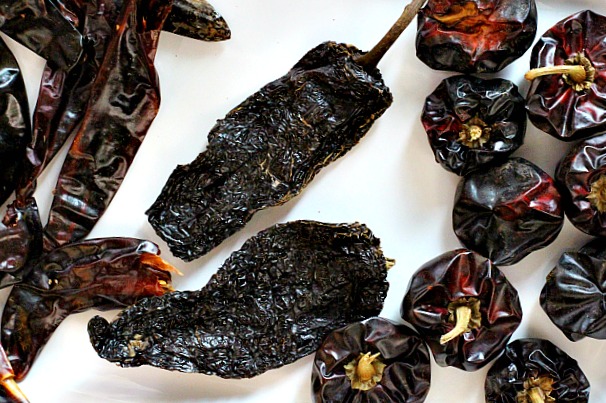
Years ago, I visited an exclusive spice shop in Santa Fe and posed the question about what dried chile peppers were best to make red chile sauce. Rosa always uses the very common Guajillo dried peppers, which are readily found on the Mexican aisle at the grocery store. They’re Mirasol peppers with medium heat level. Here’s what I learned in that New Mexico spice shop.
- Guajilla Peppers: The heat is considered to be mild to medium. PepperScale outlines the flavor profile perfectly.
- New Mexico Dried Chile Peppers: If you find a package simply labeled New Mexico Chile Peppers (dried) it may be hard to tell exactly where they’re from. Chile peppers are grown in practically every region of New Mexico. They are likely Big Jim dried peppers, with a heat level of medium.I would use these in a heart beat.
- Hatch Dried Red Chile Peppers: Are the most iconic, sun-dried pods that are grown in the Hatch Valley Region of New Mexico. Several varieties of peppers are grown in this region and the heat level can be mild to hot.
- Chimayo Chile Peppers: My absolute favorite, is grown in the Northern part of New Mexico near the village of Chimayo. They are a rare heirloom variety known for intense complex flavor and unique red/orange color. These peppers are moderately hot, similar to a Jalapeno pepper.
- Dixon Chile Peppers: Another heirloom chile pepper grown in the Northern area of New Mexico and near Chimayo. Similar to Chimayo, grown at high altitude, in rocky soil will tend to be hotter.
- Big Jim, Sandia, Barker and NuMex: Common New Mexico Peppers that are sold as red pods and used to make culinary ristras. All are medium heat.
- Pasilla (fruity, mild/medium heat), Nora (Spanish), Mulata (spicy hot), Chile de Arbol (spicy hot): Are not common peppers grown in New Mexico, but rather in Mexico. The spice shop offered all of them indicating they were grown by local hobby growers. You may recognize pasilla peppers because they are most commonly used to make mole sauces.
Pro Tip: Mix and match peppers to create your own signature flavor.
Ingredients
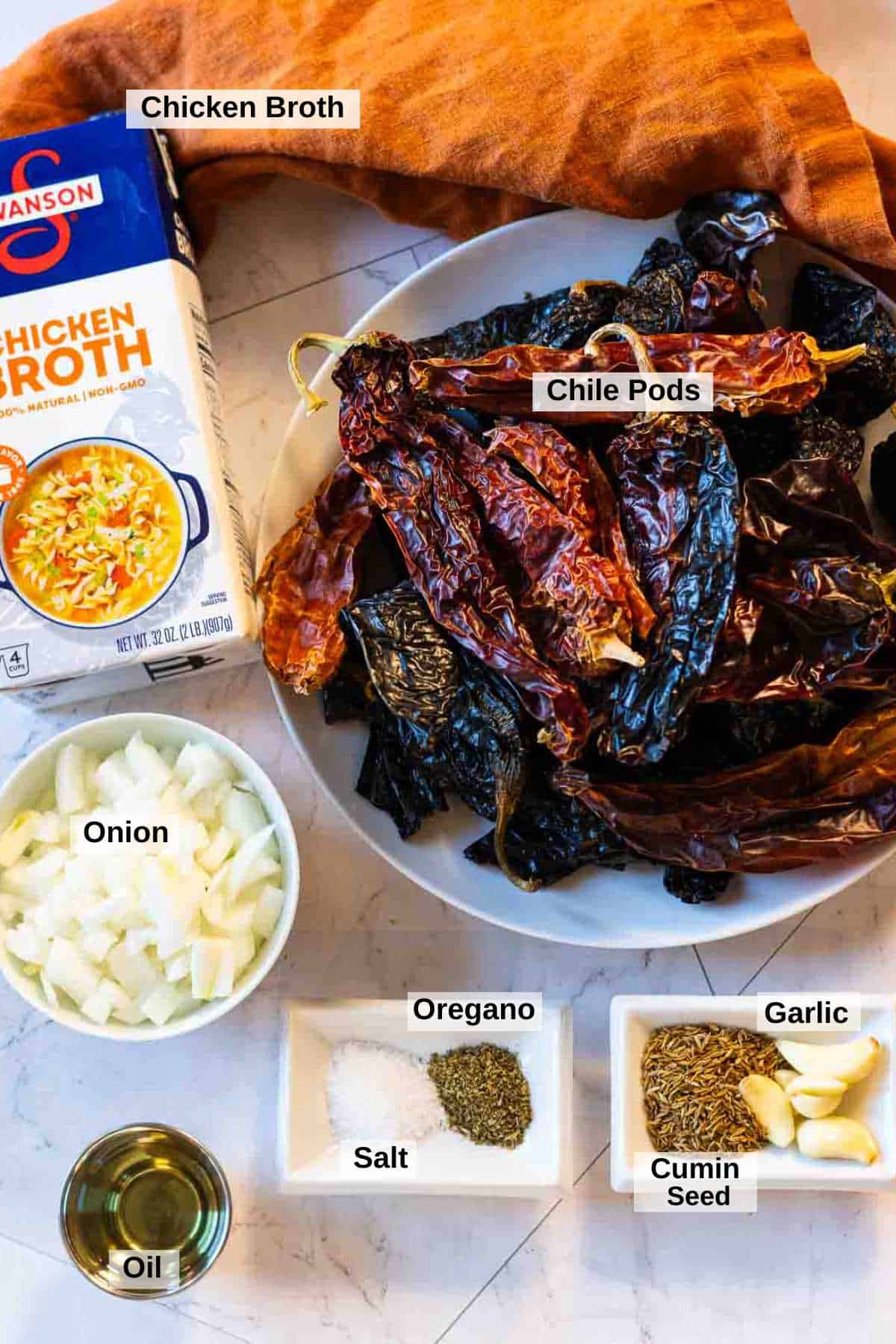
- Dried red chile pods. A mix and match of varieties and heat levels are available.
- Seasonings: Mexican Oregano, Kosher Salt, Cumin Seed and Garlic, Onion
- Chicken Broth for liquid
Mexican Oregano is preferred for this recipe. It's peppery, grassy, earthy flavor is a good compliment for Mexican Food. If you don't have Mexican Oregano, substitute Marjoram. Known for its aroma and delicate flavor, its related to Mexican oregano and will bring a sweet undertone to any recipe.
Step By Step Instructions
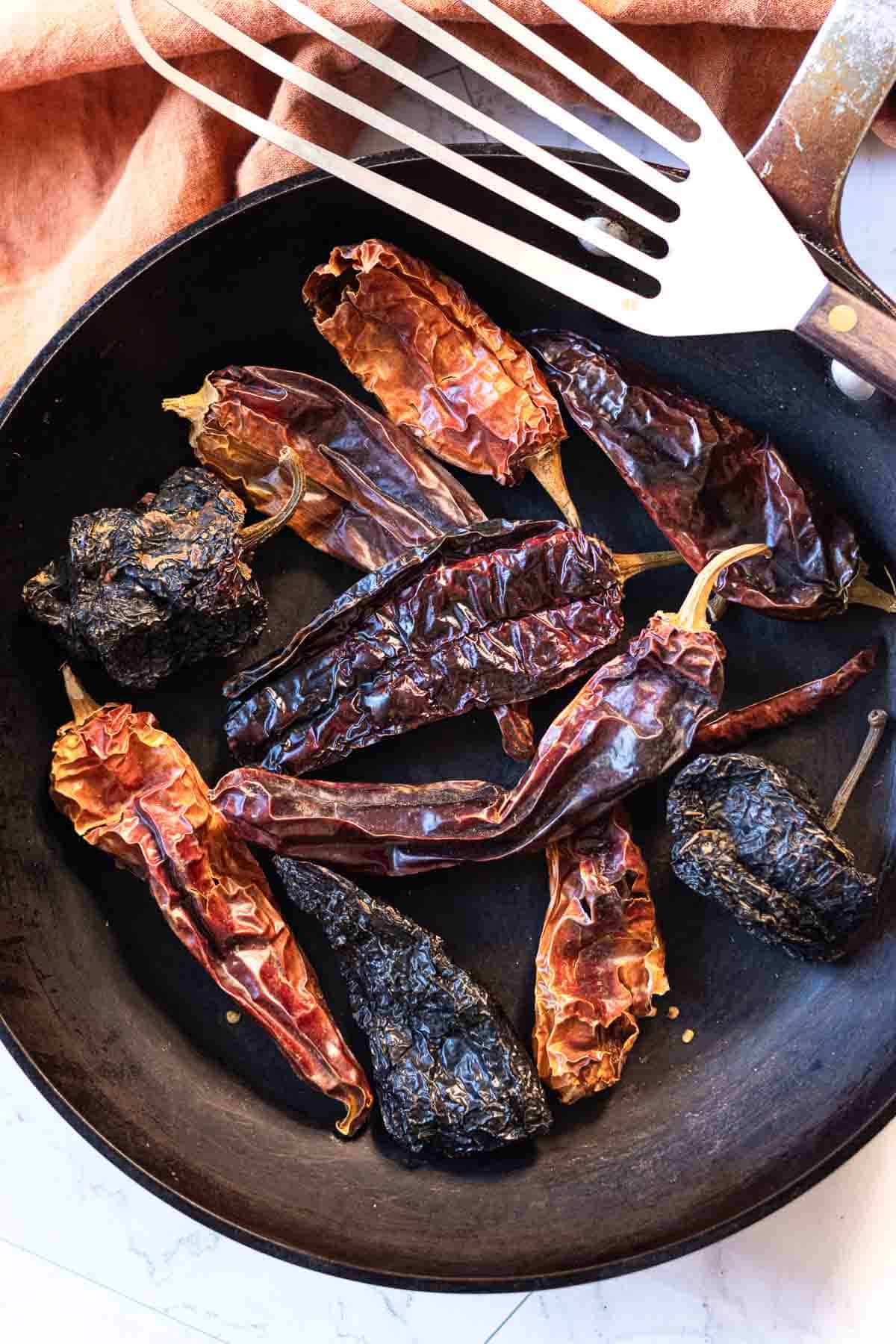
- Step 1: Heat a large fry pan over medium high heat. Dry roast the chile peppers in batches, until they release fragrance, about 1 minute per side.
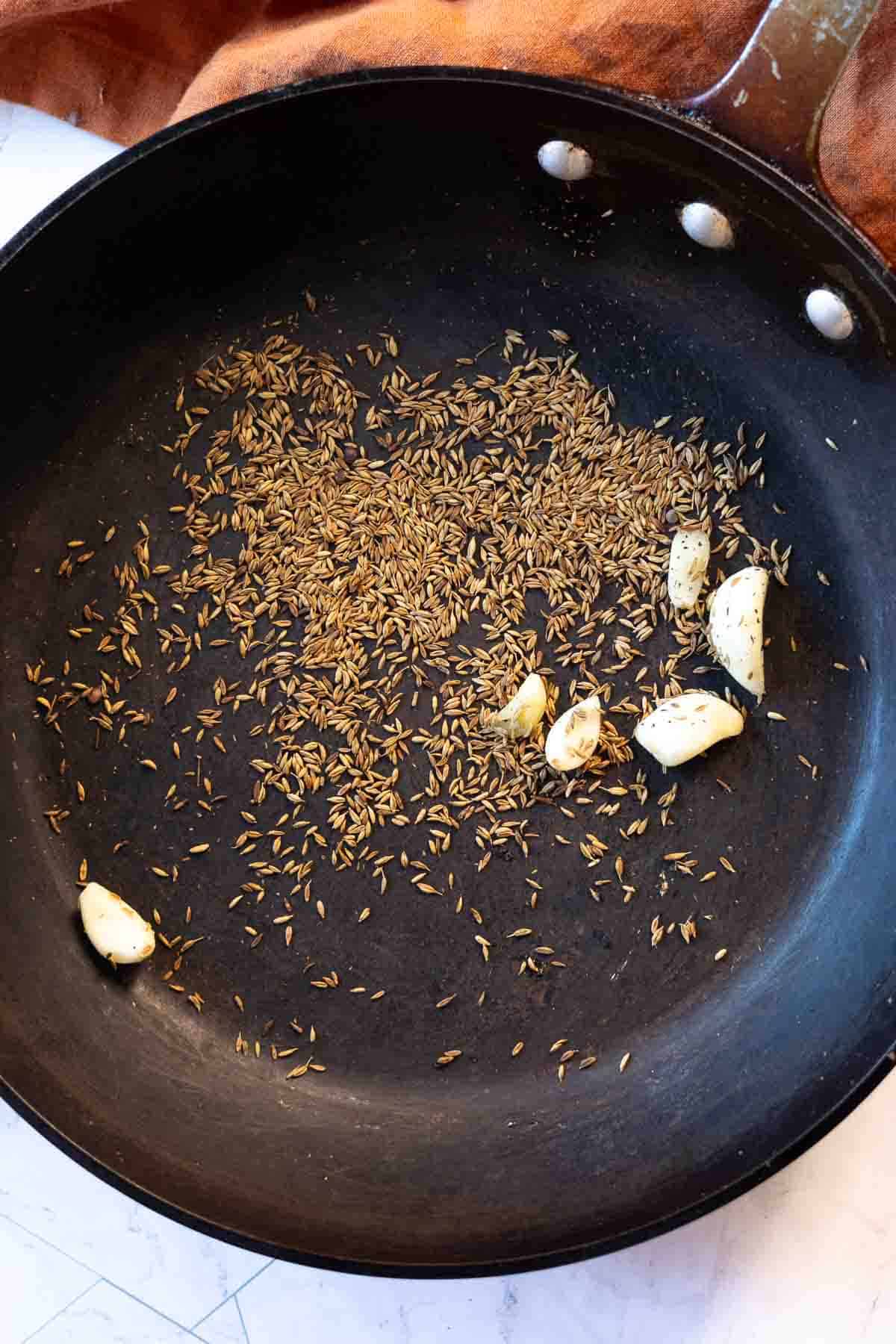
- Step 2: Remove chile pods from skillet, add cumin seeds and garlic cloves. Shaking the pan, toast until fragrant.
IMPORTANT TIP: DON’T over toast the peppers. Burnt pepper pods will result in a bitter flavor that will transfer to the sauce.
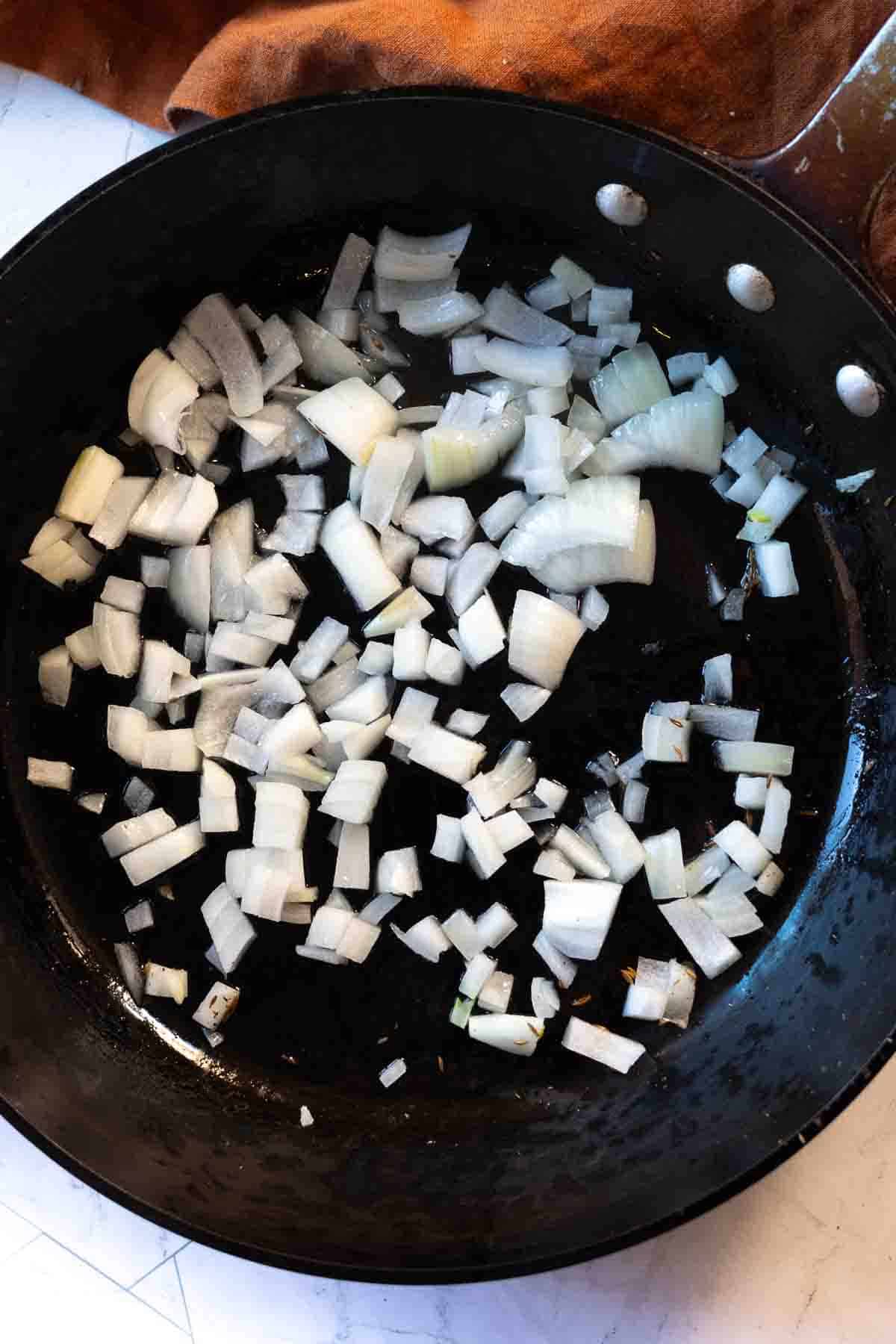
- Step 3: Remove the seeds and garlic and add oil to the skillet. And the chopped onion and cook until soft, about 5 minutes.
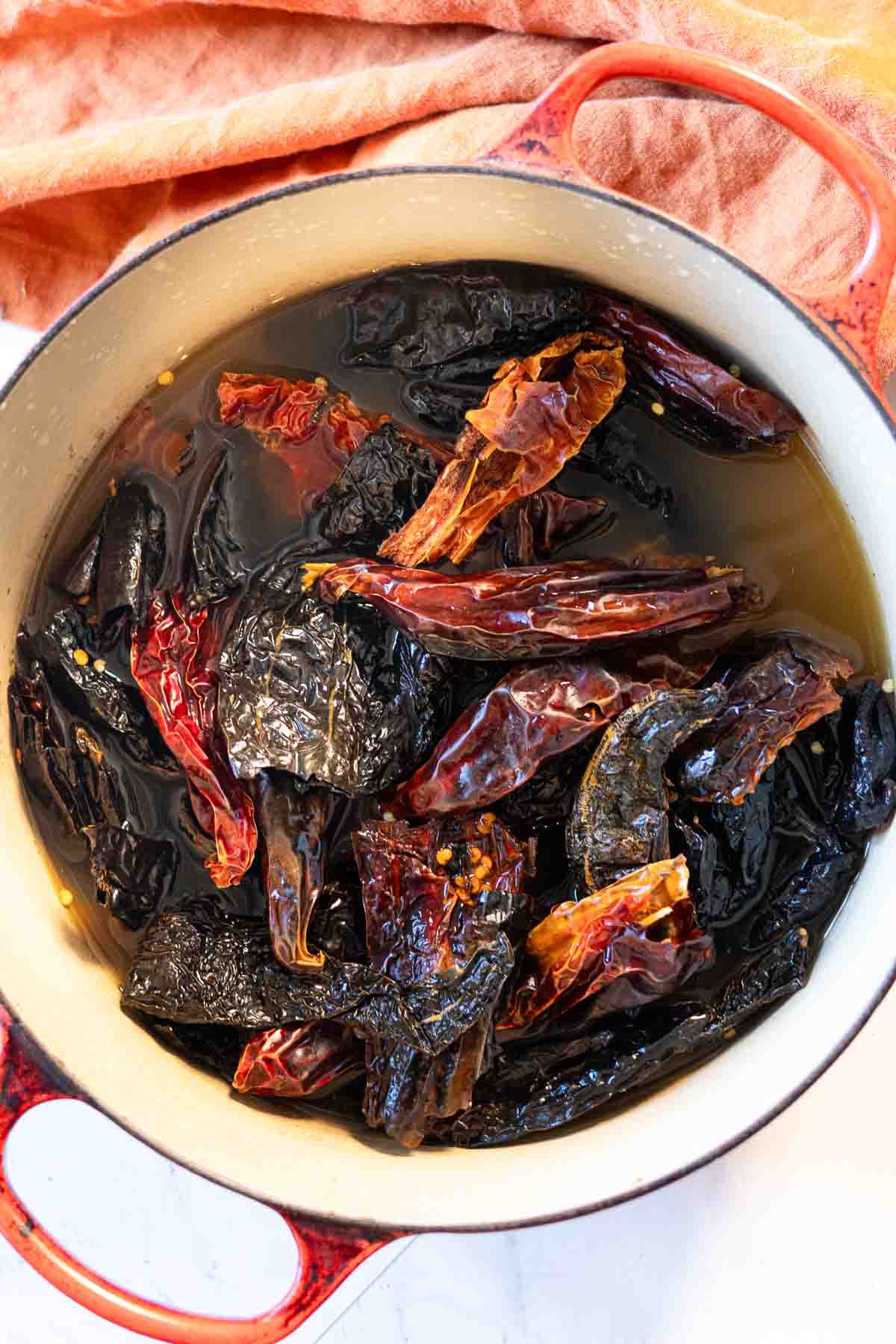
- Step 4: Remove the stems and seeds from the peppers and add them to a large Dutch oven and pour in the chicken broth. Simmer for 15 minutes, pressing down with a spatula every once in awhile to keep them in the broth.
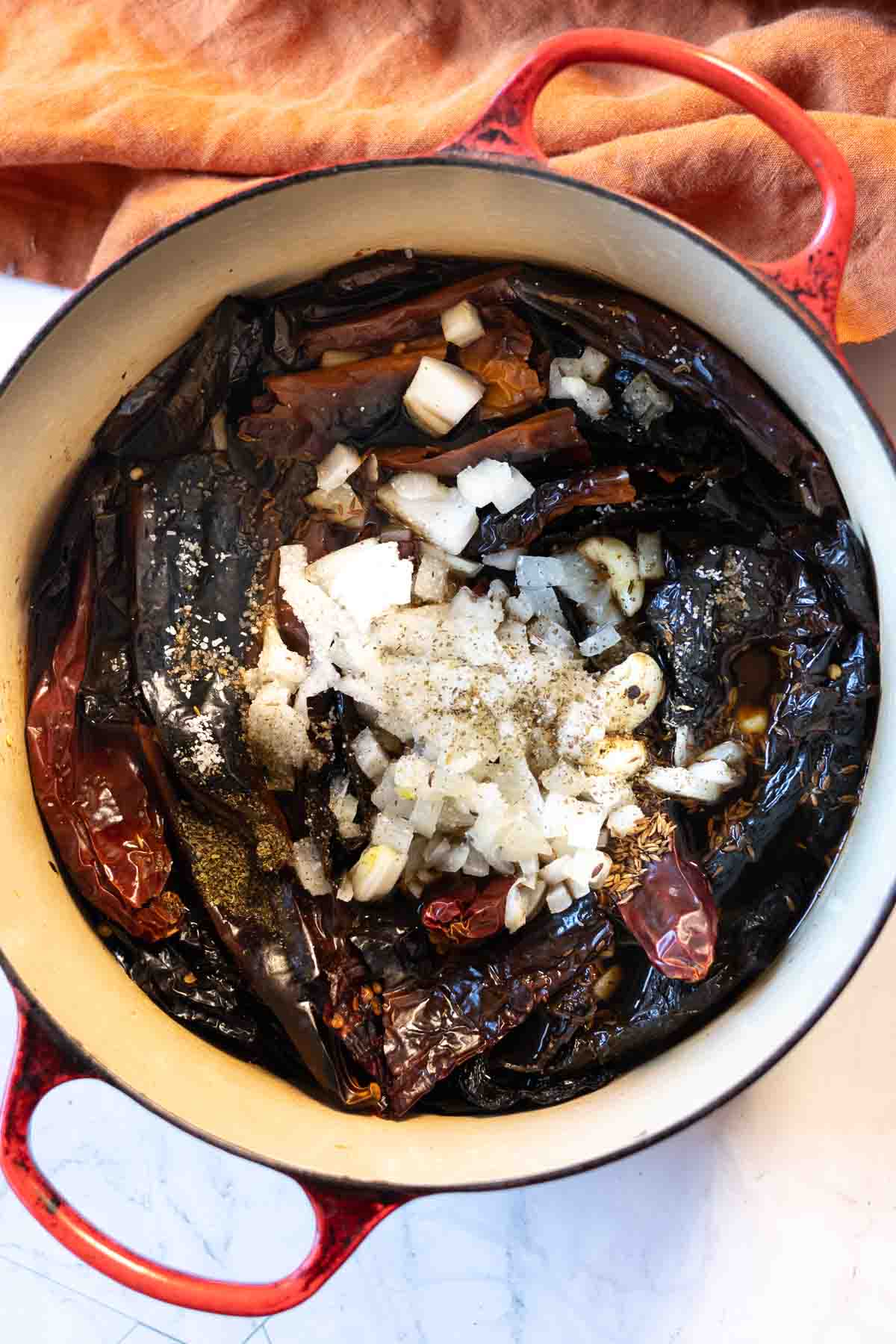
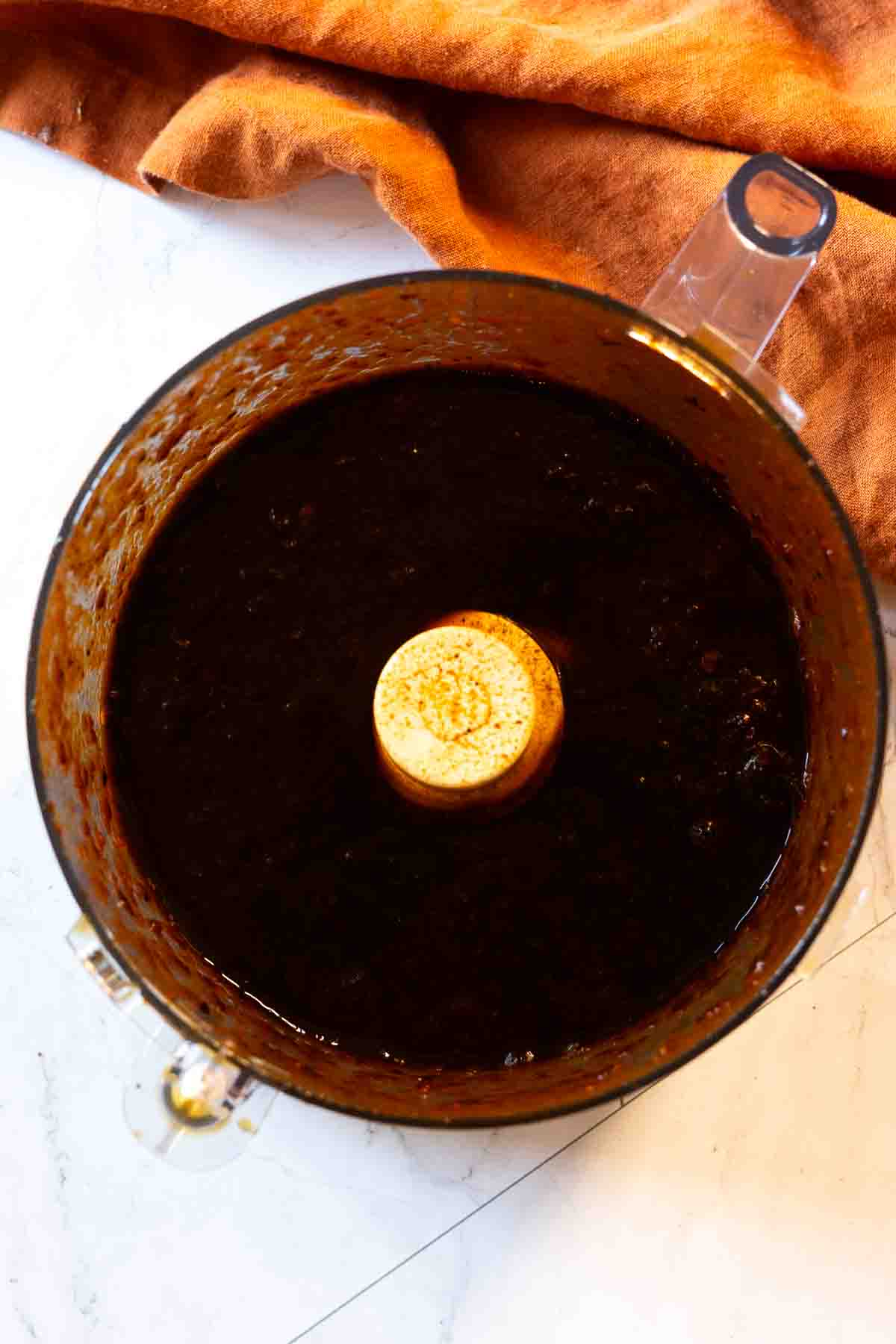
- Step 5: Add salt, oregano, toasted cumin seeds, garlic and cooked onions. Cover and let this sit off heat for 15 minutes.
- Step 6: Place cooked chile pepper mixture in a blender or food processor. Puree until smooth as you can get it. You’ll then press the sauce through a fine mesh sieve for a smooth texture and more pure flavor.
Expert Tips
- Since this sauce is typically made alongside traditional Red Pork Tamales, there’s a good chance you’ll have a pork roast cooking in the oven. Rosa's Expert Tip: If you're roasting a pork shoulder for tamales, save some of the pan juices. Use them in your red chile sauce instead of chicken broth for a richer, more savory flavor.
- Flavor Balance: Taste as you go! Some chiles are hotter than others, so adjust seasoning gradually.
- How To Thicken Red Chile Sauce (Without Ruining Flavor): Use masa corn meal to add a subtle authentic nutty flavor. At the end of cooking, sprinkle a small amounts at a time, stirring as you add until the sauce thickens. Don’t overdo.
- Bitter Sauce: If the sauce tastes bitter to you, add a splash of Apple Cider Vinegar. An MVP in the kitchen, it brightens flavors. I over toasted the chile peppers during a batch I made last year, straining the sauce to remove the bitter skin, and adding vinegar and sugar helped correct the flavor mistake.
- Straining: If the sauce seems too thick to flow through a fine mesh sieve, add more liquid.
- Chile vs. Chili: If you want more education about New Mexico chile peppers, and the differences between the words chile (with and e) and chili (with an i) take a look at my article Chili vs. Chile.
How To Use Red Chile Sauce
Red chile sauce isn't just for tamales-it's a versatile ingredient in many Southwestern dishes. Some of our favorites include:
- Red Chile Pork Tamales - My go-to traditional tamale recipe.
- Ground Beef Enchiladas - A classic comfort dish.
- Huevos Rancheros - Perfect for a spicy breakfast or brunch.
And anytime you’re rolling up your favorite ingredients in a flour tortilla to make a burrito, don’t forget a drizzle of this amazing sauce.
Variations of Red Chile Sauce
Red Chile from Powder - A quick alternative when dried pods aren't available.
Other Regional Versions - Each New Mexican family and region has its unique twist on red chile sauces, often balancing spice, smokiness, and sweetness. Play around and make it yours.
Storage
- Refrigerator: This red chile sauce will keep in the refrigerator for up to four days.
- Freezer: Store in freezer safe containers for up to three months. I like to use zip-lock freezer bags. Either snack size or larger. You can stand the bag up, fill it, seal well and then lay flat to optimize freezer space.Be sure to label and date the package.
- Make Ahead: The flavor of red chile sauce improves after sitting overnight in the refrigerator. Making it ideal for make ahead recipes and meal prep.
FAQ’s
Yes, it freezes beautifully. And with this recipe making four cups, I like to freeze it in smaller portions, to pull out of the freezer and use for smaller recipes like Huevos Rancheros.
That’s the beauty of cooking with any type of chile peppers, either dried or fresh. They’re all available in mild, medium or hot. You can choose your own heat level.
Yes, this recipe contains no flour or thickeners.
Explore More Southwestern Sauce Recipes
- New Mexico Hatch Green Chile Sauce: Made from fresh chile peppers, a must have for Hatch chile lovers.
- The Best Homemade Enchilada Sauce - Smooth, vibrant, and restaurant-style.
- Mexican Chocolate Sauce with Kahlua - Sweet and complex, perfect for desserts.
- Rancheros Sauce for Baked Eggs: A thick and chunky Southwestern sauce that will cradle those eggs for a trip to the oven.
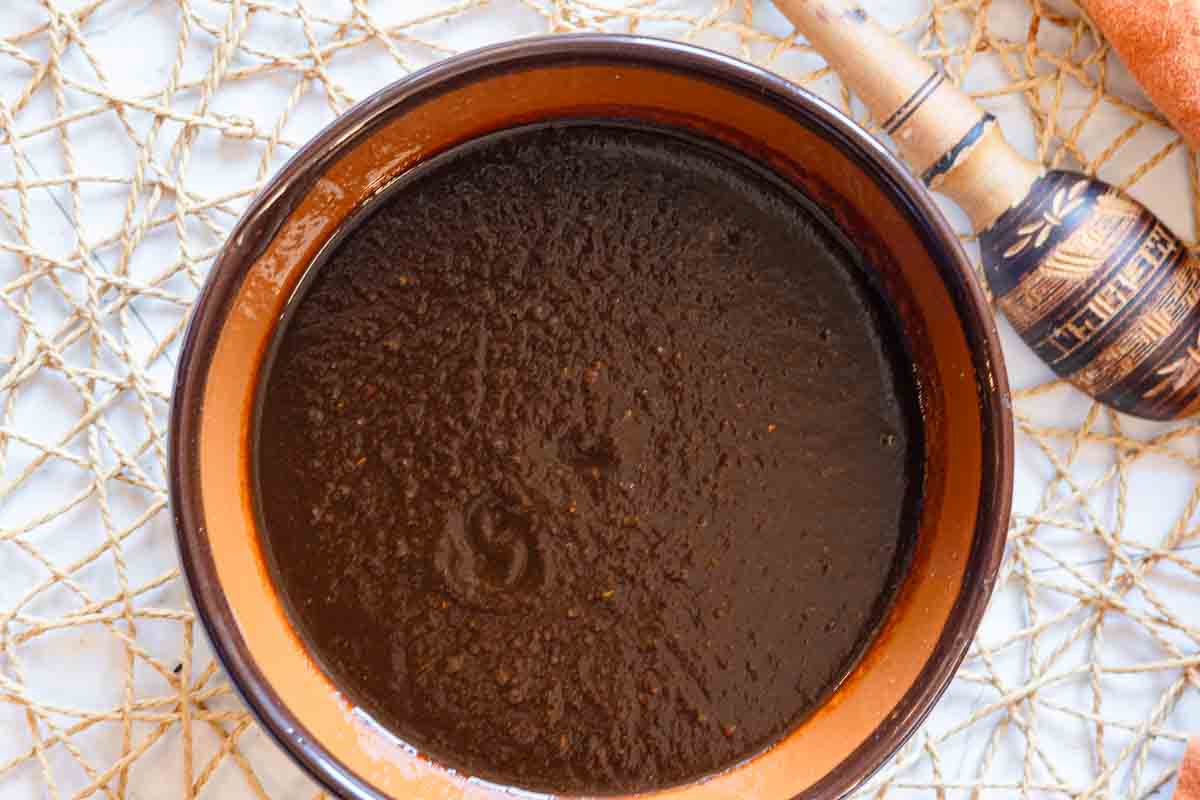
You may notice that this bowl of Red Chile Sauce is a darker color. That’s because of the types of chile pepper pods I used. The color of the dark Pasilla pods really came through.
Homemade New Mexico Red Chile Sauce For Tamales
A family recipe used for the tradition in making red sauce for tamales, Rosa’s tamale sauce is amazing. The flavors of the dried chiles amaze the palate and bring ground meat to life, and the color is a vibrant brick.
This is my ‘go-to” red chile sauce for tamales, enchiladas and more.
If you liked this recipe, please leave a star ⭐⭐⭐⭐⭐ rating in the recipe card below and leave a comment. I always appreciate your feedback and hearing how everything went.
And, don’t forget to subscribe to my newsletter for more delicious recipes and cooking tips. Make it a delicious day … every day.
New Mexico Red Chile Sauce for Tamales, Enchiladas and More
Ingredients
- 8 ounces Dried Red Chile Pepper Pods 20 – 25 dried chile pods
- 1 Tablespoon whole cumin seed toasted, or 1 teaspoon ground cumin
- 6 garlic cloves
- 1 cup onion rough chopped
- 2 tablespoons vegetable oil
- 6 cups Chicken broth or water
- 1 teaspoon Mexican Oregano or marjoram
- 1 Tablespoon Kosher salt
Instructions
- Wear a mask and gloves! The particles emitted from breaking the dried chile pods are spicy and could be very irritating to eyes and throat. Handling of the pods could cause your hands to burn depending on the heat of the chile.
- Heat a large fry pan over medium high heat. Dry roast the chile peppers in batches, until they release fragrance, about 1 minute per side. Use a large spatula to press them every once in awhile. As they toast they'll soften a bit, so pressing will help more surface of the pepper toast on the bottom of the skillet. Don't over toast them, as they'll impart a bitter flavor to the sauce.
- Once the chile peppers have been toasted and removed from pan, add cumin seeds and garlic cloves. Shaking the pan, toast until fragrant. This should take less than 30 seconds. Remove from pan quickly or they'll burn.
- Once the chiles are cool enough to handle, break the tops off and shake out the seeds.
- In the meantime, heat oil in the skillet. And the chopped onion and cook until soft, about 5 minutes.
- Add the peppers to a large Dutch oven and pour in the chicken broth. Simmer for 15 minutes, pressing down with a spatula every once in awhile to keep them in the broth.
- Turn off heat, add salt, oregano, toasted cumin seeds, garlic and cooked onions. Cover and let this sit off heat for 15 minutes.
- Once cooled, and in batches, place chile peppers in a blender or food processor. Puree until as smooth as you can get it. You can also use an immersion blender and blend directly in the Dutch oven. I like to use my food processor, placing the blended sauce into the skillet in batches. Then transfer all to the Dutch oven.
- Place the blended sauce back into the Dutch oven and simmer for about 10 minutes. Adjust seasonings to your liking. If the sauce has a bitter flavor (probably due to over toasting the peppers) add Apple Cider Vinegar a little at a time to brighten flavor and sugar, a little at a time to tame bitterness.
- The sauce should be thick enough to coat a spoon, but still drop off easily. If it's too thin, cook for 10 more minutes to reduce. If it's too thick add more chicken stock or water.
- Place a fine meshed sieve over a large bowl and pour in the chile sauce. Use a spatula or wooden spoon to press the sauce through to remove any unblended seeds and skins.
- Use the sauce warm or refrigerate for later use. The sauce keeps for 5 – 6 days and also freezes well.
Notes
- Since this sauce is typically made alongside traditional Red Pork Tamales, there’s a good chance you’ll have a pork roast cooking in the oven. Rosa's Expert Tip: If you're roasting a pork shoulder for tamales, save some of the pan juices. Use them in your red chile sauce instead of chicken broth for a richer, more savory flavor.
- Flavor Balance: Taste as you go! Some chiles are hotter than others, so adjust seasoning gradually.
- How To Thicken Red Chile Sauce (Without Ruining Flavor): Use masa corn meal to add a subtle authentic nutty flavor. At the end of cooking, sprinkle a small amounts at a time, stirring as you add until the sauce thickens. Don’t overdo.
- Bitter Sauce: If the sauce tastes bitter to you, add a splash of Apple Cider Vinegar. An MVP in the kitchen, it brightens flavors. I over toasted the chile peppers during a batch I made last year, straining the sauce to remove the bitter skin, and adding vinegar and sugar helped correct the flavor mistake.
- Straining: If the sauce seems too thick to flow through a fine mesh sieve, add more liquid.
- Chile vs. Chili: If you want more education about New Mexico chile peppers, and the differences between the words chile (with and e) and chili (with an i) take a look at my article Chili vs. Chile.
Nutrition
Homemade New Mexican Red Chile Sauce for Tamales … It’s What’s for Dinner

Why Trust My Recipes? I am a Culinary School Graduate and a lifelong student of home cooking. I hope to inspire you try to cook as often as you can. I’ve been cooking for 50 years, and my recipes are tried and true tested and tested and then tested again before published. To read more take a look at my About Page.
Good base recipe. Try adding bay leaves as it simmers and a tsp of honey at the end.
Love both of these suggestions. And thank you for taking the time to write and give the recipe 5-stars.
for two cups of raw red chile how much flour to thicken the sauce.
I don’t use flour to thicken this recipe. However, if you want to do that general rule is 3 tablespoons fat and 3 tablespoons of flour to thicken two cups of liquid.
I am on a very strict sodium restricted diet and cannot buy processed foods or eat in restaurants, so I am always so grateful when people share their recipes. From there I can make modifications to remove sodium and replace with a bit of acid/lemon/lime juice to meet my needs.
FYI, Badia brand is about all we get in our grocery stores here and they have a corner market on a lot of “Mexican” dried peppers and spices. Or about any spice that is larger than an oz or two in volume. We take what we can get sometimes!
Again, thank you! Without people like you, I would have to eat cardboard and dry beans!
Thanks for your note Sherri. Thanks for that recommendation about Badia. I’ll check for it next time I’m at the store. And you’re welcome. Homemade is always better and healthier. And we don’t want you eating cardboard! 🙂 Hugs.
In the instructions you say to remove the chiles use a slotted spoon to make sure you get the spices and the garlic. So my question is are the spices to be put into the blender?
Thanks in advance for your time
Pam
Hello and thank you for the recipe. The only dried chillies my grocery store has is the Badia brand New Mexico Chilli pods. Can I use these to make tamales? Thank you so much.
Audrey R
I’m not familiar with the Badia brand, but I would think they’d work quite nicely for this sauce. Thanks Audrey.
Delicious and earthy, turned out great!!!
Fabulous. And thanks for taking the time to write a review.